
Israel Suspends Humanitarian Organizations in Gaza
In a significant move, Israel has announced the suspension of over three dozen humanitarian organizations, including the well-known Doctors Without Borders, due to their failure to comply with new regulations governing aid operations in the Gaza Strip. This new directive requires these organizations to provide detailed information about their personnel, funding sources, and overall operations.
Organizations Affected
Among the prominent organizations facing bans starting this Thursday are the Norwegian Refugee Council, CARE International, and the International Rescue Committee, alongside divisions of leading charities such as Oxfam and Caritas. The Israeli government accused Doctors Without Borders, referred to by its French acronym MSF, of not sufficiently clarifying the roles of certain staff members, citing alleged ties to Hamas.
The Israeli Stance
Israeli officials have emphasized that while humanitarian assistance is welcome, there is zero tolerance for the misuse of aid frameworks for terrorist activities. Amichai Chikli, the Minister for Diaspora Affairs, stated, “The message is clear: Humanitarian assistance is welcome. The exploitation of humanitarian frameworks for terrorism is not.”
Doctors Without Borders, a leading medical organization active in Gaza, expressed grave concerns that this decision will severely impede their efforts in an area where they currently support 20% of hospital beds and facilitate one-third of all births. Furthermore, MSF firmly disputed Israel’s claims, asserting, “MSF would never knowingly employ people engaging in military activity.”
Concerns from the International Community
Various international organizations have condemned Israel’s new rules, characterizing them as arbitrary. According to Israeli authorities, 37 humanitarian groups operating in Gaza have not had their permits renewed.
Amjad Shawa from the Palestine NGOs Network noted that this decision is part of a broader strategy to exacerbate the humanitarian crisis in Gaza. He stated, “The limitations on humanitarian operations in Gaza are aimed at continuing the project to push out the Palestinians.”
Humanitarian Crisis in Gaza
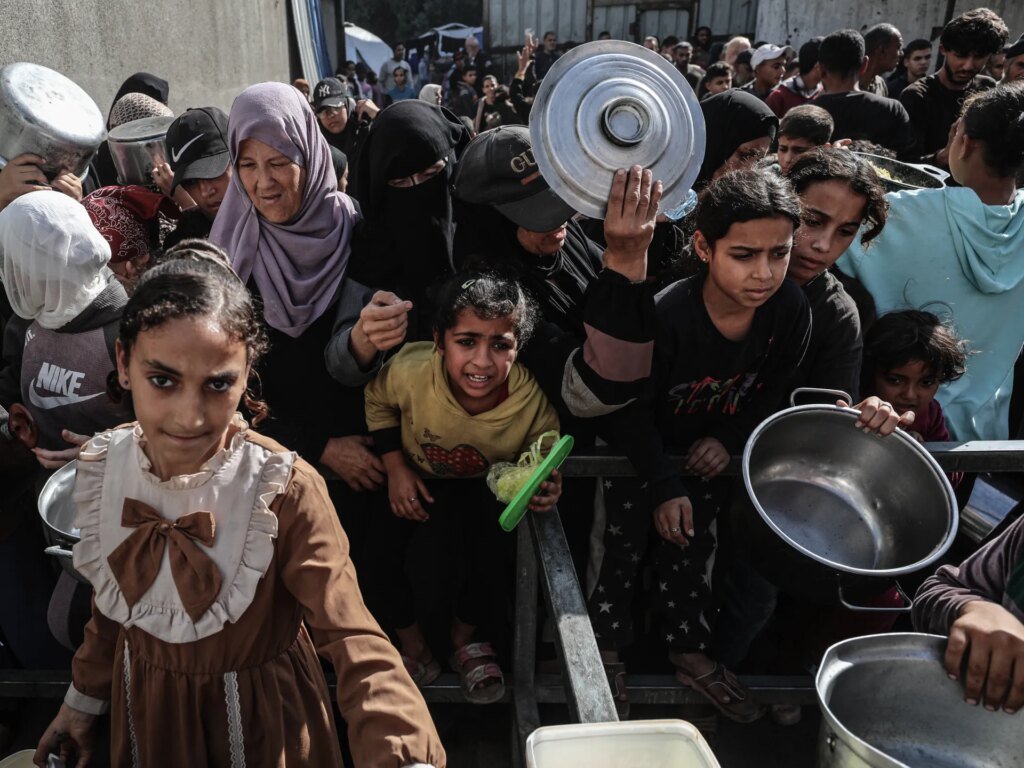
As winter approaches, the humanitarian situation in Gaza is becoming increasingly dire. At least ten countries, including Britain, Canada, and Japan, have voiced “serious concerns” over the deteriorating conditions, describing them as “catastrophic.” They highlighted that 1.3 million individuals desperately need shelter, and more than half of health facilities are partially operational, lacking essential medical supplies.
In a joint statement, these nations urged Israel to permit international organizations to operate seamlessly in Gaza and called for the reopening of land crossings to facilitate humanitarian aid delivery. In response, Israel’s Ministry of Foreign Affairs criticized the statement as misleading and reiterated the need to disarm Hamas.
Historical Context
This is not the first instance of Israel limiting the activities of humanitarian organizations. In recent months, over 100 aid groups accused Israel of obstructing critical aid delivery to Gaza, referencing the “weaponization of aid.” Since the onset of a severe conflict in October 2023, over 71,000 Palestinians are reported to have lost their lives due to numerous tragic circumstances including malnutrition and preventable diseases, all exacerbated by a lack of medical supplies.
Regulatory Changes and their Implications
Israel implemented a new registration process for aid organizations in March, which now mandates the submission of personnel lists, including those of Palestinian staff in Gaza. Concerns have been raised by aid groups that revealing such lists could endanger their employees. Shaina Low, a communications adviser for the Norwegian Refugee Council, explained, “In Gaza, we witnessed hundreds of aid workers getting killed.”
The decision to revoke licenses from these organizations will effectively shutter their offices in Israel and East Jerusalem, preventing them from sending aid or international staff into Gaza. “Despite the ceasefire, the needs in Gaza are enormous. We and many other organizations remain blocked from delivering vital assistance,” Low emphasized. The upcoming license revocations are set to take effect this Thursday, with affected organizations required to vacate their premises in Israel by March 1.
Conclusion
This latest action by Israel against humanitarian organizations adds yet another layer to the ongoing humanitarian crisis in Gaza. As the situation continues to escalate, the demand for humanitarian assistance will only intensify, highlighting the critical need for effective and transparent aid operations in the region.
Key Takeaways
- Israel has suspended over 30 humanitarian organizations for not complying with new operational rules.
- Doctors Without Borders and other prominent groups are significantly impacted by these restrictions.
- Concerns grow internationally over the worsening humanitarian situation in Gaza.
- License revocations could leave many without essential support in a time of dire need.