
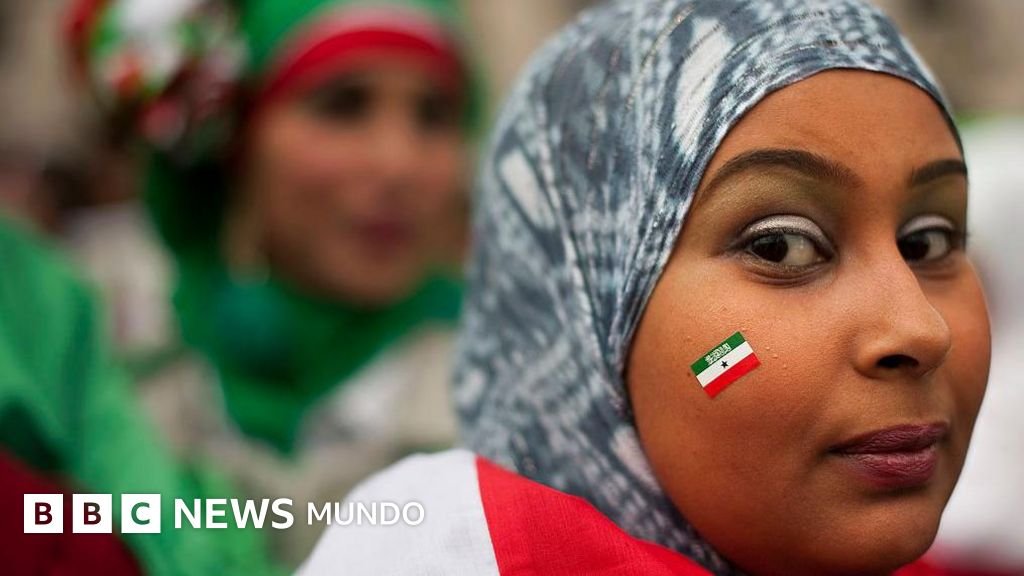
Israel Officially Recognizes Somaliland as an Independent Nation
In a significant development, Israel has become the first nation to formally acknowledge Somaliland as an independent entity, a region seeking separation from Somalia. Israeli Prime Minister Benjamin Netanyahu announced intentions to enhance cooperation in agriculture, healthcare, and technology with Somaliland, prompting the region’s president, Abdirahman Mohamed Abdullahi, to describe this recognition as a “historic moment.”
The Impact of Recognition
The recognition from Israel could inspire other countries to follow suit, potentially bolstering Somaliland’s diplomatic standing and facilitating access to international markets. However, this decision has been met with backlash from the foreign ministers of Somalia, Egypt, Turkey, and Djibouti, who issued a statement expressing their “total rejection” of Israel’s announcement.
Somaliland’s Commitment to Alliances
In his statement, President Abdullahi indicated that Somaliland would join the Abraham Accords initiated by Israel, which have normalized relations with multiple Muslim-majority nations. He emphasized that “Somaliland is committed to building alliances, fostering mutual prosperity, and promoting stability in the Middle East and Africa.”
Full Diplomatic Relations Established
Israel’s Foreign Minister Gideon Saar confirmed the establishment of “full diplomatic relations, including the appointment of ambassadors and the opening of embassies.” He instructed his ministry to act promptly to formalize the relationship across a broad spectrum of areas.
A Dangerous Precedent?
In response to Israel’s announcement, Egypt’s Foreign Minister engaged in separate phone conversations with counterparts from Somalia, Turkey, and Djibouti to discuss a range of topics, including Israel’s declaration. The Egyptian Foreign Ministry stated that the four nations reaffirmed their support for Somalia’s unity, sovereignty, and territorial integrity, cautioning against any unilateral actions that could destabilize the region or create “parallel entities” to Somalia’s state institutions.
Concerns Over International Law
The ministers further argued that recognizing the independence of parts of sovereign states could set a dangerous precedent in international law and contravene the United Nations Charter. They reiterated their opposition to any plans that would lead to displacing Palestinians from their lands.
Background on Somaliland
Israel has been working to strengthen ties with countries in the Middle East and Africa, yet recent conflicts, including those in Gaza and tensions with Iran, have posed challenges. The Abraham Accords, signed in 2020 during Donald Trump’s presidency, allowed several Muslim-majority nations, such as the United Arab Emirates and Morocco, to normalize relations with Israel.
Strategically located in the Gulf of Aden, Somaliland boasts its own currency, passports, and police force. Established in 1991 following a fight for independence from former dictator Siad Barre, it has endured decades of international isolation. With a population nearing six million, this self-proclaimed republic has been embroiled in multiple regional disputes involving Somalia, Ethiopia, and Egypt. A recent agreement between Ethiopia, which lacks coastlines, and Somaliland for leasing coastal land for a port and military base sparked outrage in Somalia.
Conclusion
This recognition by Israel serves as a pivotal moment for Somaliland, offering it a potential pathway to gain more international acknowledgment and economic partnerships, albeit against a backdrop of regional opposition and concerns over national integrity.
Key Takeaways
- Israel has formally recognized Somaliland as an independent nation.
- The decision is seen as a historic moment for Somaliland, with potential benefits for international cooperation.
- Opposition from regional nations raises concerns about international law and stability.
- Somaliland’s strategic location and historical context play a crucial role in its current diplomatic situation.