
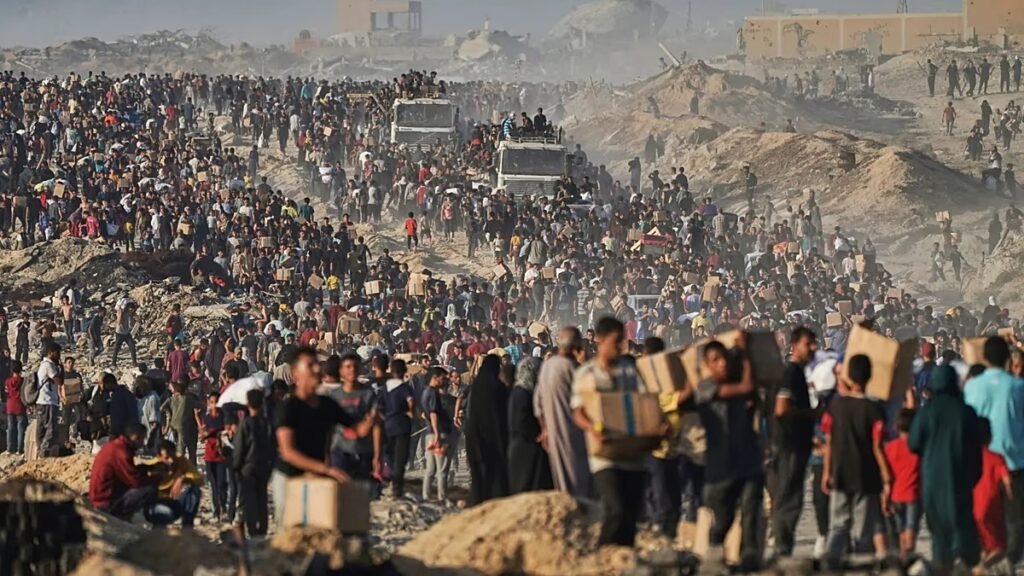
Israel Suspends Humanitarian Organizations in Gaza
In a significant decision announced on Tuesday, Israel has decided to halt the operations of over two dozen humanitarian organizations. This action follows the groups’ failure to comply with newly established regulations requiring thorough vetting of international agencies working in Gaza. The Ministry of Diaspora Affairs emphasized that these organizations did not meet the updated criteria for sharing critical information about their staff, funding, and operations, resulting in the suspension set to take effect on January 1.
Newly Implemented Regulations
The ministry indicated that approximately 25 organizations, representing about 15% of non-governmental entities operating in Gaza, did not have their permits renewed. Among those flagged was Doctors Without Borders (MSF), which has been instrumental in providing healthcare in the region. Israel has accused some MSF staff of having connections with Hamas and other militant factions, highlighting the increasing tensions regarding the operations of such organizations.
Other notable entities affected by this decision include the Norwegian Refugee Council, CARE International, and the International Rescue Committee, as well as divisions of significant philanthropic groups like Oxfam and Caritas, as reported by the Ministry.
Focus on Aid Services
These organizations offer a range of essential services, including food distribution, healthcare, disability support, education, and mental health services, which are crucial for the more than 2 million residents of Gaza. The situation in the territory has been exacerbated by ongoing debates between Israel and international humanitarian groups concerning the volume of aid being delivered. While Israel asserts its commitment to aid provisions outlined in the latest ceasefire agreement from October 10, many humanitarian agencies argue that the current assistance falls short of what is urgently required.
Concerns About Safety and Legislation
Earlier this year, Israel revised its registration procedures for aid organizations, implementing a requirement to disclose a roster of staff, including Palestinians working in Gaza. Some groups expressed reluctance to comply, fearing that the information could expose their personnel to risks. Shaina Low, communications advisor for the Norwegian Refugee Council, stated, “The safety of our staff is paramount, especially given the tragic losses among aid workers in Gaza.”
The revocation of aid groups’ licenses will necessitate the closure of offices in Israel and East Jerusalem, effectively prohibiting these organizations from sending international staff or aid into Gaza. Low highlighted the dire circumstances, saying, “Despite the ceasefire, the needs in Gaza are immense. Our local staff are already overburdened, and this decision only complicates their work further.”
A Message Against Exploitation
According to the Ministry, the decision to strip these organizations of their licenses will take effect on January 1, and those operating within Israel will need to exit by March 1. Amichai Chikli, the Minister of Diaspora Affairs, communicated the government’s stance: “While we welcome humanitarian assistance, any use of aid frameworks to facilitate terrorism will not be tolerated.”
COGAT, the Israeli defense body responsible for overseeing humanitarian aid to Gaza, noted that the organizations affected contribute less than 1% of the total aid entering the region. They reaffirmed that aid would still flow through over 20 organizations that have received approved permits.
Previous Tensions with Humanitarian Groups
This move is not unprecedented; Israel has previously sought to regulate international humanitarian groups. Throughout the conflict, Israel has accused the United Nations Relief and Works Agency (UNRWA) of having ties to Hamas, claiming that the agency’s facilities have been misused. UNRWA has strongly denied such allegations, asserting its commitment to impartial operations.
After sustained criticism from Prime Minister Benjamin Netanyahu and his hardline associates, Israel banned UNRWA from operating within its territory in January. Subsequently, the U.S., once the largest donor to UNRWA, ceased funding in early 2024.
Concerns Over Data Usage
Organizations have raised alarms regarding Israel’s failure to guarantee that collected data under the new regulations would not be utilized for military or intelligence activities. Athena Rayburn, executive director of AIDA, overseeing more than 100 organizations operating in Palestinian territories, articulated the gravity of the situation: “Allowing a conflicting party to vet our staff violates fundamental humanitarian principles, particularly neutrality and independence.” Despite presenting alternatives, such as third-party vetting, Israel remained unresponsive.
Conclusion
The recent suspension of humanitarian organizations in Gaza underscores a complex interplay of regulation and the urgent need for aid in a region that continues to face significant challenges. As these groups seek to navigate legal and safety concerns, the humanitarian situation remains precarious.
Key Takeaways
- Israel has announced the suspension of over two dozen humanitarian organizations for not complying with new vetting regulations.
- Around 25 organizations, including major entities like Doctors Without Borders, will have their licenses revoked starting January 1.
- The Israeli government emphasizes the need to prevent the exploitation of aid for terrorism.
- Concerns over staff safety and the use of humanitarian data persist amidst the ongoing conflict in Gaza.