
Deadly Mosque Bombing in Islamabad Claims 31 Lives
In a tragic turn of events, a recent mosque bombing in Islamabad has left at least 31 people dead, marking the worst incident to hit the capital in over twenty years. The horrifying attack, attributed to the Islamic State group, has sent shockwaves throughout the city and sparked heightened fears of rising sectarian violence.
Funeral Ceremonies for Victims
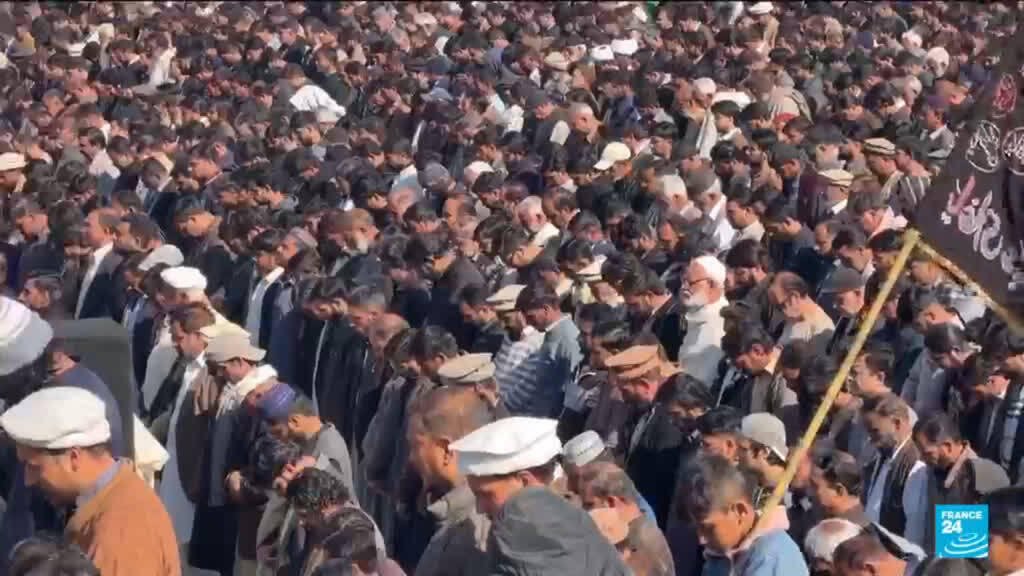
In the wake of the attack, Shiite communities gathered for solemn funerals to honor the lives lost in the bombing. This display of grief reflects the profound impact the incident has had on families and friends of the victims, as well as the broader community grappling with the aftermath of such a tragic event.
Islamabad’s Growing Concerns
The bombing has raised significant alarms regarding security and sectarian tensions within the city. As the capital of Pakistan, Islamabad has often been seen as a relatively safe space compared to other regions facing conflict. However, this attack underscores a troubling shift, highlighting the potential for escalating violence among different sectarian groups.
Impact on Local Communities
The incident has left the city in mourning, with many expressing fears about their safety and the stability of their neighborhoods. The Shiite community, in particular, is experiencing heightened anxiety over the threat of future attacks, following this devastating incident.
Islamic State’s Claim of Responsibility
The Islamic State’s assertion of responsibility for the bombing has further complicated the security landscape in Islamabad. Authorities and security forces are now tasked with reassessing their strategies to combat growing extremism and protect vulnerable communities from such barbaric acts of violence.
Calls for Strengthened Security Measures
In response to the attack, there have been rising calls for heightened security protocols to prevent further tragedies. Public leaders and community figures are advocating for more robust measures to ensure the safety of all citizens, regardless of their religious beliefs.
Conclusion
The recent mosque bombing in Islamabad serves as a stark reminder of the ongoing challenges posed by sectarian violence and extremism. As the community mourns, the need for solidarity and effective security measures has never been more crucial.
- A mosque bombing in Islamabad claimed the lives of at least 31 people.
- This incident marks the deadliest attack in the capital in over 20 years.
- The Islamic State has claimed responsibility for the tragic event.
- Authorities face increasing pressure to enhance security and protect local communities.