
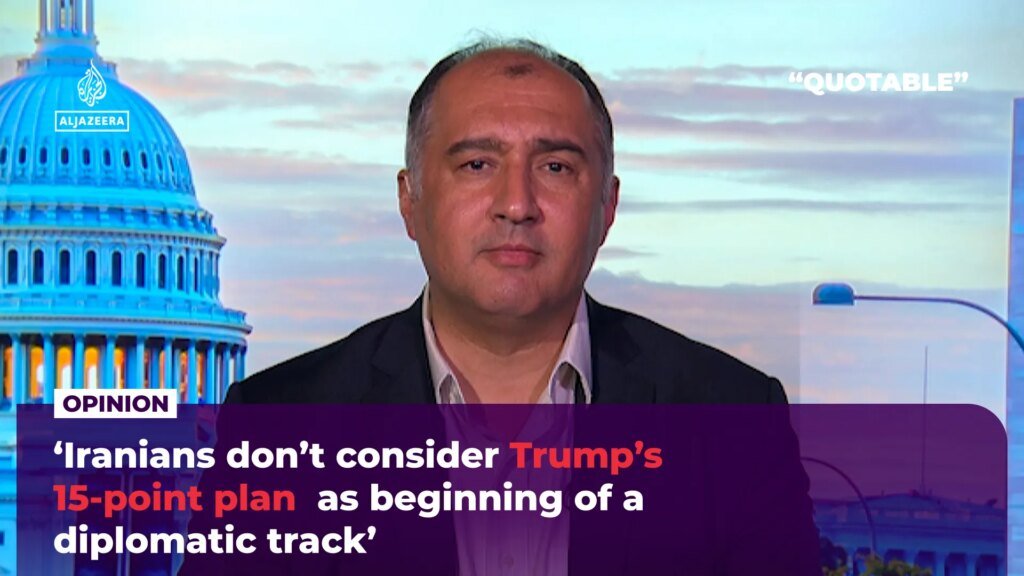
Diplomatic Efforts Between the U.S. and Iran: A Path to Peace
In a recent discussion, Alex Vatanka from the Middle East Institute sheds light on the diplomatic landscape between the United States and Iran, particularly in the context of ending ongoing conflicts. This dialogue gained attention following an exclusive interview with U.S. Secretary of State Marco Rubio, where the intricacies of U.S.-Iran relations were highlighted. Here, we explore the pivotal points of this evolving narrative.
The Current State of U.S.-Iran Relations
Relations between the U.S. and Iran have long been fraught with tension, characterized by a myriad of conflicts ranging from military engagements to political disputes. Recent developments have sparked hope for a shift in this dynamic as both nations consider the importance of dialogue.
Diplomatic Strategies and Insights
Vatanka emphasizes that any effective approach to diplomacy must involve a willingness to understand each other’s perspectives. The U.S. has recognized that engaging Iran requires a blend of firmness and openness, something that Secretary Rubio stressed in his interview with Al Jazeera.
The Role of Negotiations
Negotiations play a crucial role in bridging gaps. The recent talks reflect an acknowledgment that resolving differences through dialogue could effectively reduce tensions. Facilitating a conducive environment for these discussions is essential for meaningful progress.
Challenges Ahead
Despite the optimistic outlook, several challenges remain. Historical grievances, internal politics, and regional dynamics complicate the path to peace. Both sides must navigate these obstacles while staying focused on the goal of stability and security.
Looking Forward
As both nations engage in dialogue, the potential for a more peaceful coexistence is within reach. Observers are eager to see how these diplomatic efforts unfold, particularly in light of the recent statements by Secretary Rubio.