
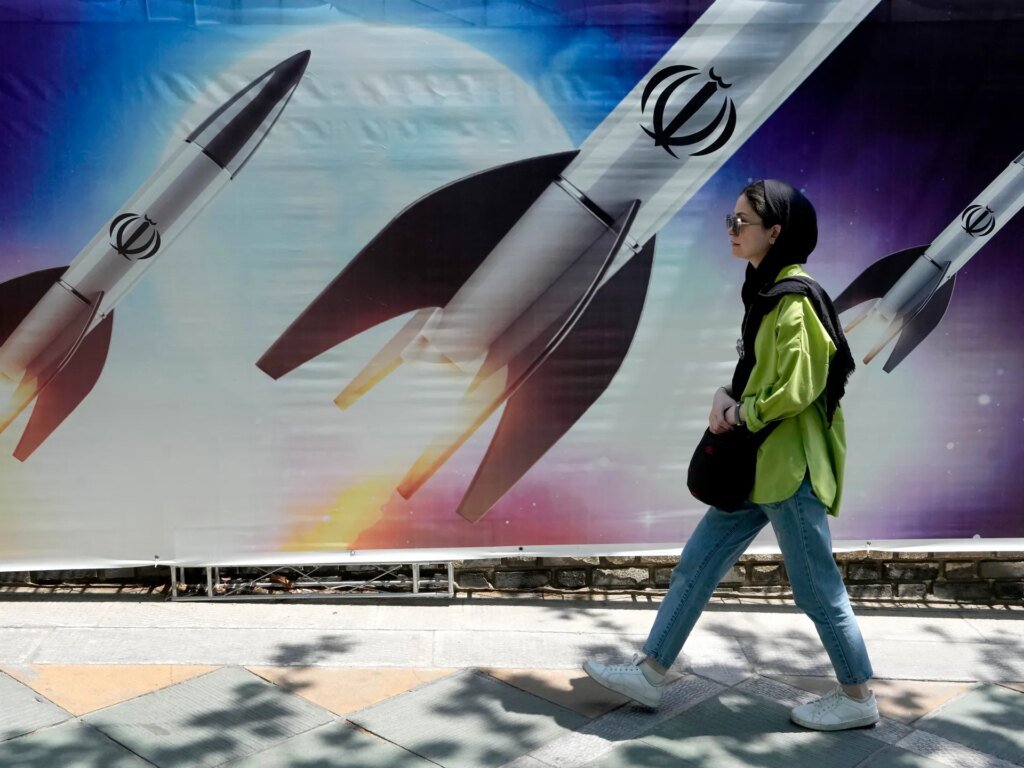
Heightened Tensions: The Consequences of Nuclear Policy and Military Action
In light of escalating geopolitical tensions, the recent statements from U.S. President Donald Trump regarding Iran’s nuclear and missile programs have raised concerns about future confrontations. Following a meeting with Israeli Prime Minister Benjamin Netanyahu, Trump hinted at potential military action if Iran seeks to enhance its nuclear or missile capabilities. This article delves into the implications of these developments and the staunch response from Iran.
Warnings from Iran
In a decisive statement, Iranian President Masoud Pezeshkian cautioned that any aggression from the U.S. would be met with a harsh response. This warning was issued on social media shortly after Trump’s remarks during his meeting with Netanyahu. Historically, the focus of U.S. policy has been primarily on Iran’s nuclear program, but the latest discourse suggests a potential shift towards targeting missile capabilities, which is a priority for Israel.
Nuclear Intentions and Regional Stability
Iran maintains that its nuclear endeavors are solely for peaceful, civilian applications. Despite this assertion, both U.S. intelligence and the United Nations’ nuclear watchdog have not uncovered any evidence indicating the production of atomic weapons prior to recent military actions against Iran. Furthermore, Iran has firmly dismissed any negotiations regarding its missile program, emphasizing its resolve in the face of perceived threats.
The Context of Conflict
The backdrop of these escalating tensions follows a significant 12-day conflict in June, which resulted in the loss of over 1,100 Iranian lives and 28 deaths in Israel. Pezeshkian characterized the current standoff as a “full-scale war,” more complex than the lengthy Iran-Iraq conflict in the 1980s. He warned that any form of aggression would result in a “severe and regret-inducing” response from Iran.
Trump’s Position on Military Action
During his address, Trump expressed willingness to support immediate strikes on Iran’s nuclear capabilities, as well as its missile facilities, if Tehran continues to pursue long-range weaponry. Accompanied by Netanyahu, he declared, “We’ll knock the hell out of them,” indicating a readiness for a robust military response.
Israeli Concerns
Israeli officials have voiced apprehensions that Iran may be secretly replenishing its ballistic missile arsenal, which suffered significant losses during the prior conflict. One official remarked that a failure to secure a deal with Iran regarding its missile program might necessitate direct confrontation.
The Aftermath of Recent Conflicts
According to conflict monitoring sources, the June war involved nearly 360 airstrikes across 27 Iranian provinces, targeting military installations, nuclear facilities, and governmental sites. These strikes are estimated to have destroyed around 1,000 Iranian ballistic missiles along with the deaths of over 30 senior commanders and at least 11 nuclear scientists. On the flip side, Iran retaliated by launching more than 500 missiles at Israel, with about 36 landing in populated regions. While Trump claims that Iran’s nuclear capabilities were “completely obliterated,” experts remain skeptical, suggesting hidden stockpiles could allow Tehran to quickly resume uranium production.
Iran’s Preparedness and Public Response
Despite the significant losses, Iranian officials assert that the nation is now better equipped for potential confrontation. Pezeshkian stated that Iran’s military forces now possess greater strength and resources compared to prior engagements. Interestingly, the conflict did not incite the internal unrest that some anticipated; daily life in Tehran continued relatively uninterrupted despite the hostilities.
Conclusion
The rhetoric around Iran’s nuclear and missile capabilities underscores a precarious phase in U.S.-Iran relations. As both nations posture for potential confrontations, the broader regional implications remain significant. Vigilance and caution are necessary as this dynamic continues to unfold.
- The U.S. has threatened military action if Iran resumes its nuclear or missile programs.
- Iran warns any aggression will be met with severe consequences.
- The conflict in June caused extensive casualties and military losses on both sides.
- Current conditions suggest heightened military readiness from Iran despite recent losses.