
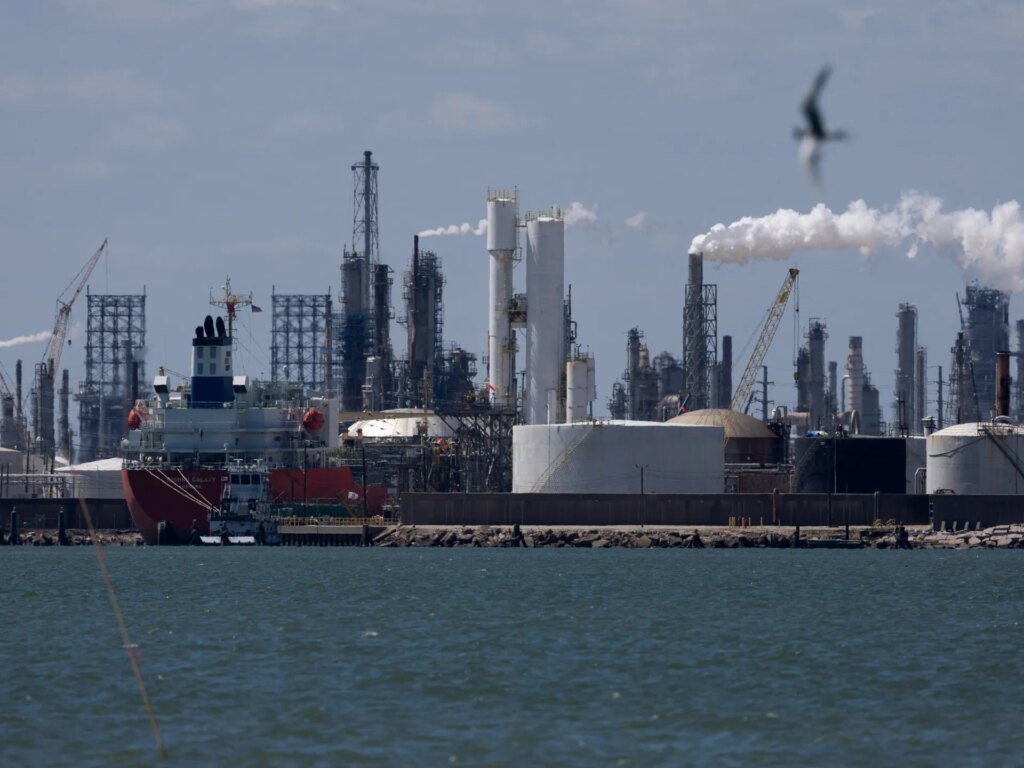
Trump Temporarily Waives Shipping Law to Ease Energy Transportation Costs
In a significant move aimed at mitigating the soaring costs of transporting energy and other essential goods, President Donald Trump has suspended a long-standing shipping regulation. This temporary waiver permits foreign-flagged vessels to operate between U.S. ports for the next 60 days, facilitating the movement of resources like oil, gas, and fertilizer across the country.
The Jones Act Explained
Formally titled the Merchant Marine Act of 1920, the Jones Act was established by Congress to revitalize the U.S. shipping industry after the extensive damage caused by German U-boats during World War I. The act, introduced by Senator Wesley Jones from Washington, mandates that any commercial vessel transporting goods or passengers between U.S. ports be constructed in the nation, owned by American citizens, and crewed primarily by U.S. workers. Consequently, this legislation effectively prohibits foreign-flagged ships from engaging in domestic maritime trade.
Under certain circumstances, the Jones Act permits temporary waivers for national defense purposes, typically issued by either the Department of Homeland Security or the Department of Defense. It was originally designed to ensure that the United States maintains a dependable merchant fleet during wartime. While some shipping companies, labor unions, and national security advocates continue to support the Jones Act, others argue that limiting foreign competition has led to higher shipping costs.
Why Now?
The decision to suspend the Jones Act comes in light of the recent volatility in the oil markets, triggered by the ongoing U.S.-Israel conflict with Iran. Disruptions in tanker traffic through the crucial Strait of Hormuz—an essential route for global oil trade—have impacted exports from key Middle Eastern nations, resulting in delays for commercial vessels transporting various products, including fuel, pharmaceuticals, and technology components.
As a result of these challenges, worldwide prices have surged, with Brent crude—an international benchmark—trading at approximately $109 a barrel, a significant jump from about $70 prior to the conflict. U.S. crude prices have also risen to about $98 per barrel, while the national average for regular gasoline has reached $3.84 a gallon, marking an increase of around 86 cents, or over 25%, compared to pre-war figures. With supplies becoming strained and shipping routes compromised, various countries are hastily seeking alternative solutions.
The administration aims to lower transportation costs and enhance energy supply by allowing foreign-flagged vessels to operate domestically. This waiver also extends to fertilizers, which are in high demand during the current planting season.
Responses to the Waiver
The decision has not been without its critics. The American Maritime Partnership, a group representing U.S. ship owners, operators, and labor unions, has expressed serious concerns that the 60-day waiver could be exploited, ultimately displacing American workers and businesses. They argue that this measure is unlikely to bring significant relief to fuel prices for consumers.
The Potential Impact on Fuel Prices
Fuel prices are influenced by a multitude of factors, and experts indicate that relaxing domestic shipping regulations may not provide a comprehensive solution. “The waiver will streamline logistics, making it somewhat cheaper and easier for products to circulate,” stated Patrick De Haan, head of petroleum analysis at GasBuddy. However, he cautions against expecting dramatic reductions in pump prices. “It’s unlikely to have an observable impact on reducing prices immediately; rather, it may just mitigate the increases. I estimate it could offset price hikes by about 3 to 10 cents per gallon,” he added.
This regulatory adjustment is part of a wider strategy by Washington to enhance supply. The Treasury Department has also relaxed sanctions, allowing U.S. companies to engage with Venezuela’s state oil company, while temporarily opening avenues for Russian oil to re-enter global markets. Simultaneously, the International Energy Agency (IEA) has committed to releasing 400 million barrels of oil from emergency reserves—the largest coordinated release in its history—with the U.S. contributing 172 million barrels from its Strategic Petroleum Reserve.
Nevertheless, analysts emphasize that these actions may only yield short-term relief. Global supply disruptions continue to plague oil markets, and it may take time for additional crude supplies to reach refineries and eventually be reflected in consumer prices.
Conclusion
President Trump’s temporary waiver of the Jones Act is aimed at facilitating energy and goods transportation amidst fluctuating global oil markets. While it may offer some operational flexibility, the broader implications for fuel pricing and market dynamics remain uncertain, drawing support and criticism alike.
Key Takeaways
- The suspension of the Jones Act allows foreign vessels to transport goods between U.S. ports for 60 days.
- The decision aims to alleviate rising transportation costs for essential resources amidst global supply disruptions.
- Critics warn that this waiver could harm American workers and companies without significantly lowering consumer prices.
- Market experts indicate that the effect on fuel prices may be minimal, only marginally offsetting rising costs.