
The Importance of Protecting Sea Turtle Nests in NSW
As the breeding season kicks off, the discovery of the first sea turtle nest on the north coast of New South Wales is prompting a vital rescue mission and an initiative to safeguard this endangered species. This article explores the significance of protecting these nests, the efforts of community involvement, and the urgent need to preserve nesting habitats for loggerhead and green turtles.
Why Nest Protection Matters
This newly found nest, located precariously close to the water’s edge, necessitated immediate action to relocate the eggs. If left in their original position, the nest faced threats from rising tides and powerful waves. Loggerhead turtles are classified as endangered, with only a small number of nesting females found in NSW, making each egg invaluable. Meanwhile, green turtles are considered vulnerable.
Community Involvement
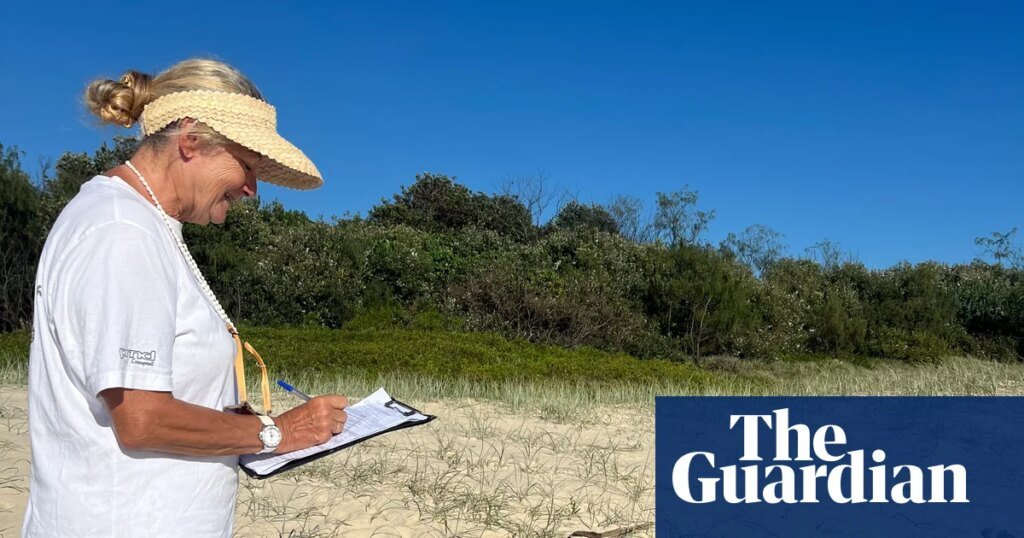
Merryn Dunleavy from TurtleWatch NSW emphasized the critical role of community support in protecting these nests. “Every nest that is reported will be protected, and the dedication of our coastal communities is crucial for the survival of these eggs,” she stated.
In an encouraging call to action, Dunleavy invites beach enthusiasts to participate as citizen scientists. “We encourage everyone to monitor local beaches along the NSW coastline, from Tweed to Batemans Bay, for signs of nesting sea turtles,” she added.
How to Spot Turtle Tracks
To aid in this effort, beachgoers can walk their local shores early in the morning, particularly along the high tide line. Since sea turtles typically nest overnight, looking for turtle tracks in the sand is essential. These tracks generally measure between 80 to 100 cm wide and can sometimes be mistaken for tire tracks.
The Role of TurtleWatch and Past Successes
Following the sighting of the first nest by a community member, trained TurtleWatch staff carefully transferred the eggs into incubators to ensure their safety. Last season saw an impressive outcome, with a record of 18 successful sea turtle nest hatchings.
In early 2025, the coastline experienced significant changes due to ex-tropical cyclone Alfred, which dramatically altered many beaches, reducing suitable nesting areas as sandy shores eroded. Dunes were affected, creating steep drop-offs that posing challenges for nesting turtles.
Egg Rescue Operations
Thanks to dedicated monitoring by the turtle team in February, National Parks and Wildlife Service along with TurtleWatch staff managed to rescue over 1,000 eggs from nine nests prior to the cyclone’s impact. After successful hatching, an impressive 1,020 hatchlings were released back to their original nesting locations.
Get Involved
Timely reporting of turtle tracks, awareness of low-lying nests, and a proactive community are essential for protecting these eggs and maximizing their chances of hatching successfully. TurtleWatch is actively seeking volunteers to support the nesting season, which spans from November to March along the NSW coastline.
Conclusion
The protection of sea turtle nests is a community responsibility that can significantly impact the survival of these endangered creatures. By staying vigilant, reporting nests, and participating in monitoring efforts, we can all contribute to a bright future for Loggerhead and Green turtles.
- The first sea turtle nest of the season was discovered on the NSW north coast.
- Loggerhead turtles are endangered, while green turtles are vulnerable.
- Community involvement is vital for the protection of turtle nests.
- Volunteers are needed to support TurtleWatch during the nesting season.