
The Growing Need for Solar Panel Recycling in India
India’s rapid expansion in solar energy is being celebrated globally, but attention is now turning to an essential question: how sustainable is this transition if waste management is overlooked? This article explores the impressive growth of solar energy in India, the impending waste crisis from solar panels, and the urgent need for a robust recycling strategy.
A Solar Success Story
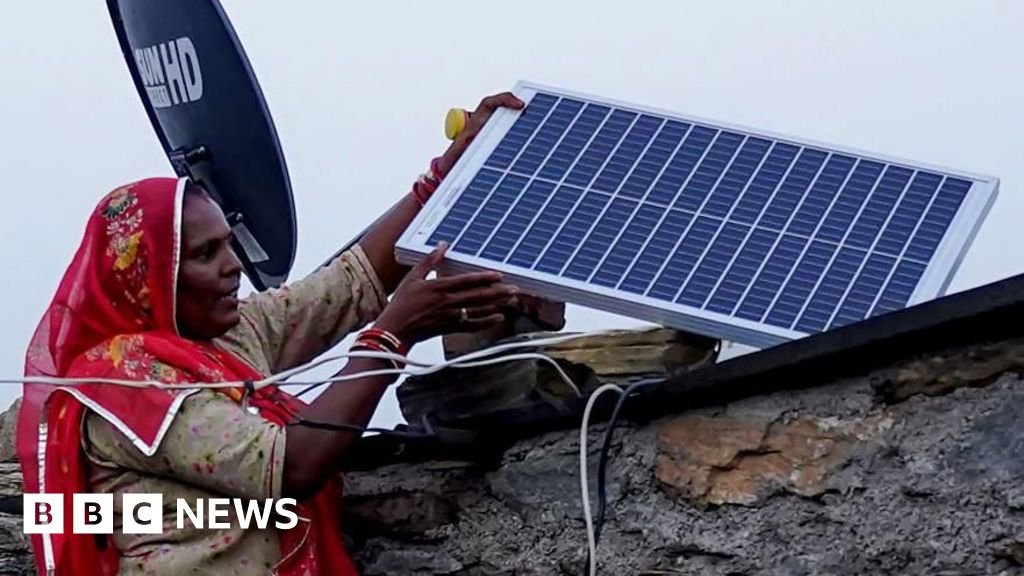
Over the last decade, India has rocketed to becoming the third-largest producer of solar energy worldwide. Renewables are now a cornerstone of the nation’s climate strategy, significantly reducing the dependence on coal. Solar panels have proliferated, from extensive solar parks to numerous rooftop installations in urban and rural areas alike. Government initiatives have further incentivized this growth, with nearly 2.4 million households now utilizing solar power through a subsidy scheme.
Despite reaping the benefits of this clean energy source, the rise of solar panels brings forward a critical challenge: the environmental risks associated with their disposal. While these panels predominantly consist of recyclable materials such as glass, aluminum, and polymers, they also contain trace amounts of hazardous metals like lead and cadmium. Improper handling can potentially cause significant pollution of soil and water.
The Impending Waste Dilemma
Typically, solar panels have a lifespan of about 25 years, after which they must be disposed of or recycled. Unfortunately, India currently lacks the infrastructure and budget dedicated to managing solar waste. With only a handful of facilities available for recycling old panels, the country is not adequately prepared for the mounting waste problem.
Although no official data tracks the amount of solar waste generated, studies suggest that up to 100,000 tonnes of waste could be produced by 2023, soaring to 600,000 tonnes by 2030. Experts caution that while the current volume of solar waste is manageable, it will become a pressing issue in the near future without significant investment in recycling. Projections suggest India could face more than 11 million tonnes of solar waste by 2047, necessitating around 300 recycling facilities and an investment of approximately $478 million over the next two decades.
Navigating New Regulations
As most large solar parks were established around the mid-2010s, the looming waste crisis is anticipated to hit in the next 10 to 15 years. The solar-waste situation in India reflects global trends, with other leading solar-producing nations like the United States and China grappling with impending recycling challenges as well.
In 2022, India made strides by incorporating solar panels into e-waste regulations, mandating manufacturers to take responsibility for the collection, dismantling, and recycling of their products once they reach the end of their lifespan. However, experts warn that implementation varies widely across the industry, particularly for smaller rooftop panels, which make up a significant portion of installations but are harder to track and manage for recycling.
Unused or damaged panels often end up in landfills or are processed by unauthorized recyclers, leading to unsafe practices that can release toxic substances. The need for action is urgent, as the current recycling methods primarily focus on recovering lower-value materials and often neglect the precious metals found in solar cells.
Opportunities Amid Challenges
Despite these obstacles, experts see potential in addressing the solar waste issue. As solar power usage increases, so too will the demand for companies capable of efficiently recycling old panels. Efficient recycling could reclaim a substantial portion of materials for new panels, while also mitigating the environmental impact by reducing carbon emissions linked to mining.
India currently has existing markets for materials like glass and aluminum, with metals such as silicon, silver, and copper also recoverable for reuse. The next decade will be pivotal for shaping India’s solar future, necessitating the establishment of a well-regulated and self-sustaining recycling system. Raising public awareness and integrating waste management into solar business models should go hand in hand with these measures.
As solar energy continues to be promoted as a cleaner alternative, stakeholders must consider the life cycle of these products. Companies that benefit from solar power should also take responsibility for the end-of-life solutions for their panels. As one expert poignantly stated, without a proactive approach to recycling, today’s clean energy solutions could lead to greater waste challenges tomorrow.
- India is now the third-largest producer of solar energy globally, reducing its reliance on coal.
- Solar panels pose environmental risks if not properly disposed of, with rising waste projections expected.
- The country must invest in dedicated recycling facilities and infrastructure to manage solar waste effectively.
- Public awareness and corporate responsibility are crucial for establishing a sustainable recycling ecosystem.