
Concerns Rise Over Weight Loss Injections in India
As the popularity of weight loss injections surges in India, leading doctors are raising alarms about the potential dangers of unregulated usage. Despite their appeal, these medications are not a one-stop solution for the nation’s growing issues with diabetes and obesity.
Soaring Demand for Appetite-Control Drugs
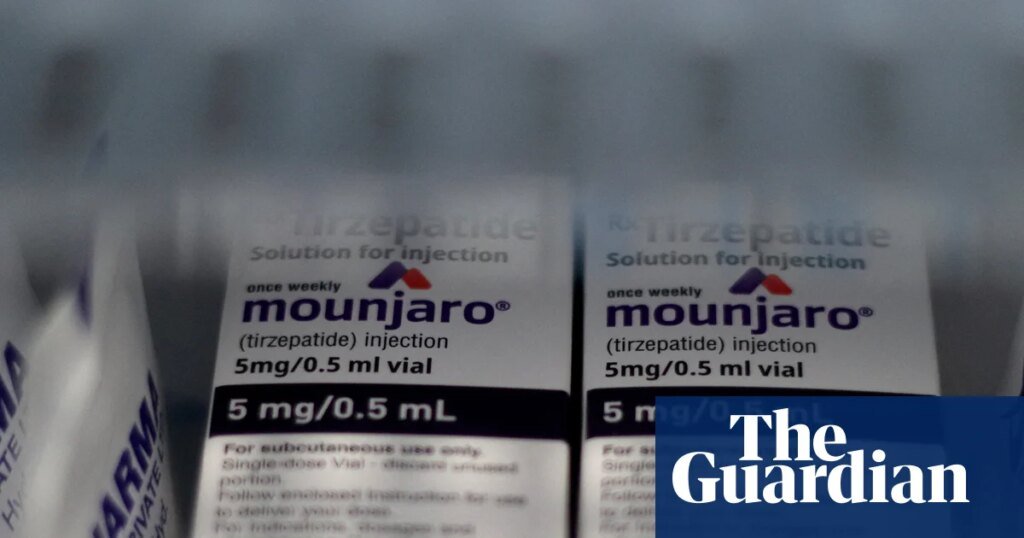
With appetite-suppressing injections such as Mounjaro, Wegovy, and Ozempic hitting the Indian market this year, demand has skyrocketed. Mounjaro, which helps regulate blood sugar and suppress appetite, has quickly ascended to become India’s top-selling drug, outpacing traditional antibiotics in sales.
The commercial success of Mounjaro has prompted its manufacturer, Eli Lilly, to initiate trials on a similar appetite-suppressing medication, which could potentially be available in pill form in India as early as next year.
An Eli Lilly representative highlighted that urbanization, sedentary lifestyles, and unhealthy dietary choices have intensified the need for effective weight management solutions. This rising demand coupled with increasing awareness positions India as a crucial market for weight loss therapies.
Market Competition and Accessibility
Competing pharmaceutical company Novo Nordisk has also entered the fray, launching Ozempic at a competitive price of 8,800 rupees (approximately £73) for a month’s supply. This is significantly lower than Mounjaro’s monthly cost of 14,000 rupees (around £115), though still high for the average Indian household.
By March of next year, the expiration of patents on various semaglutide drugs in India is expected to usher in a wave of more affordable generic versions from local manufacturers, potentially transforming the market. Experts predict that by the end of the decade, the weight loss drug sector in India could be worth about $150 billion (£112 billion).
A Growing Health Crisis
With rising rates of obesity and diabetes, many healthcare professionals view the availability of these injections as a necessary option for India’s struggling healthcare system. Recent statistics indicate that diabetes and obesity could become the leading causes of death in India by 2030, with approximately 212 million adults living with diabetes, representing over a quarter of the global total.
A study published by The Lancet highlighted that in 2021, around 180 million adults in India were classified as overweight or obese. This figure is projected to soar to 450 million by 2050, threatening to overwhelm healthcare resources.
Mohit Bhandari, a prominent bariatric surgeon, stresses that the reported figures may actually underestimate the situation due to inadequate data collection. He cautions against the unchecked use of weight loss drugs, which are already being misused and could have serious long-term health implications.
The Need for Regulation
Bhandari advocates for strict government control over the distribution of these injections. He warns of the risks associated with less qualified practitioners prescribing these drugs, especially when they are readily available in gyms and beauty clinics.
“There must be rigorous monitoring and health screenings for individuals receiving these medications,” he emphasized, citing various health risks including muscle loss, pancreatitis, gallstones, and even severe eye conditions in certain patients.
Personal Experiences and Broader Implications
Patients like Vidhi Dua, who has battled diabetes and obesity, express hope in the efficacy of Mounjaro. After starting treatment at a weight of 95 kg (approximately 14 stone), she acknowledges the difficult side effects but stays optimistic about its potential to help her reduce or eliminate her need for insulin.
Anoop Misra, a leading endocrinologist, echoes the sentiments of caution, linking the alarming rise in obesity and diabetes to lifestyle choices and environmental factors. While he sees a significant demand for these medications, he insists that transformative lifestyle changes must accompany their use.
Long-Term Solutions Needed
According to Misra, while weight-loss injections can offer some assistance, they cannot address the root of India’s obesity and diabetes epidemic. He highlights that substantial lifestyle changes, combined with nutrition education, exercise, and, when necessary, affordable medications, are critical for tackling this growing health crisis.
The cultural barriers to dietary change present additional challenges, as many people find it difficult to shift away from long-standing culinary traditions, even when the health risks are understood.
- Demand for weight loss injections in India, such as Mounjaro and Ozempic, has surged dramatically.
- Concerns regarding unregulated usage highlight potential health risks associated with these drugs.
- Expert opinions emphasize the necessity for proper oversight and lifestyle changes alongside medication.
- The weight loss medication market in India is predicted to expand significantly, paving the way for more affordable options.