
Urgent Appeal: Aid Groups Challenge Israeli Order in Gaza and the West Bank
In a concerning development, Israel has mandated the cessation of operations for 37 aid organizations in areas such as Gaza, the occupied West Bank, and East Jerusalem. This order, set to take effect soon, poses a significant threat to humanitarian efforts in the region.
Legal Action by Aid Organizations
Seventeen international aid organizations have come together to petition Israel’s Supreme Court, aiming to maintain their crucial work in these war-affected areas. The impending ban has raised alarms about its devastating impact on the Palestinian population, already struggling amidst ongoing crises.
Government Move and Its Implications
The Israeli government announced that by March 1, the targeted aid groups will no longer be permitted to operate, a decision described as potentially catastrophic for those who rely heavily on their support. A joint statement from these organizations underscored the urgency of their situation and the dire consequences it could entail.
Warnings from Humanitarian Groups
Oxfam International expressed deep concern, indicating that the forced suspension of support operations could commence as early as this coming Saturday. They emphasized that the effects of this decision would resonate beyond individual organizations, threatening the broader humanitarian network in the region.
The Ongoing Crisis
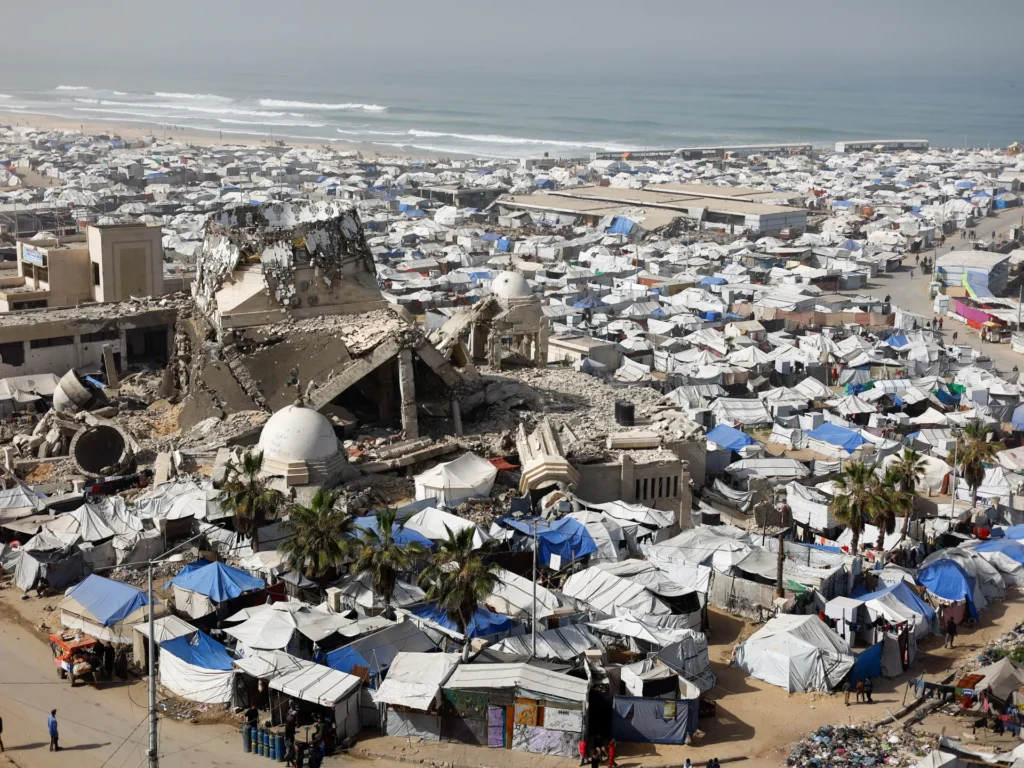
Currently, families in Gaza depend significantly on external assistance due to ongoing restrictions on aid inflow and recurrent military strikes in populated areas. Moreover, the situation in the West Bank—including East Jerusalem—is exacerbated by military incursions, demolitions of properties, displacement of communities, and increasing settler aggression, leading to heightened humanitarian needs.
Court Petition and Compliance Issues
The petition for judicial review arises from a notification received by aid groups—including well-known entities like Doctors Without Borders (MSF), the Norwegian Refugee Council, and CARE. They were informed on December 30, 2025, that their operational registrations had lapsed, necessitating renewal along with detailed personal information on Palestinian staff within a 60-day timeframe. Failure to comply with these demands would result in operational suspension across Gaza and the West Bank.
The organizations argue that adhering to these conditions would not only jeopardize their staff’s safety but also violate the core humanitarian principle of neutrality and contravene European data protection laws. They contend that transforming humanitarian missions into intelligence-gathering operations for one party involved in the conflict contradicts the very essence of their work.
Casualties and Humanitarian Impact
According to the United Nations, since the onset of hostilities on October 7, 2023, 133 NGO workers have lost their lives due to Israeli strikes in Gaza, including 15 from MSF. The aid organizations have articulated that halting their operations would push the region towards a “humanitarian collapse,” inflicting irreversible damage on countless individuals reliant on their services.
Proposed Solutions
In response to the directives, the petitioners have offered viable alternatives for compliance, such as implementing donor-audited vetting systems instead of surrendering staff lists, ensuring the protection of their personnel and maintaining operational integrity.
Conclusion
The situation in Gaza and the occupied territories highlights the critical role of humanitarian organizations in providing necessary support to vulnerable populations. As these aid groups seek legal avenues to continue their essential work, the implications of Israel’s order remain grave and far-reaching.
Key Takeaways
- Israel has ordered 37 aid groups to cease operations in Gaza and other occupied territories.
- Seventeen organizations are appealing to Israel’s Supreme Court to overturn this decision.
- The cessation of aid could lead to a humanitarian crisis affecting millions in the region.
- Organizations propose alternatives to comply with Israeli demands without compromising staff safety.