
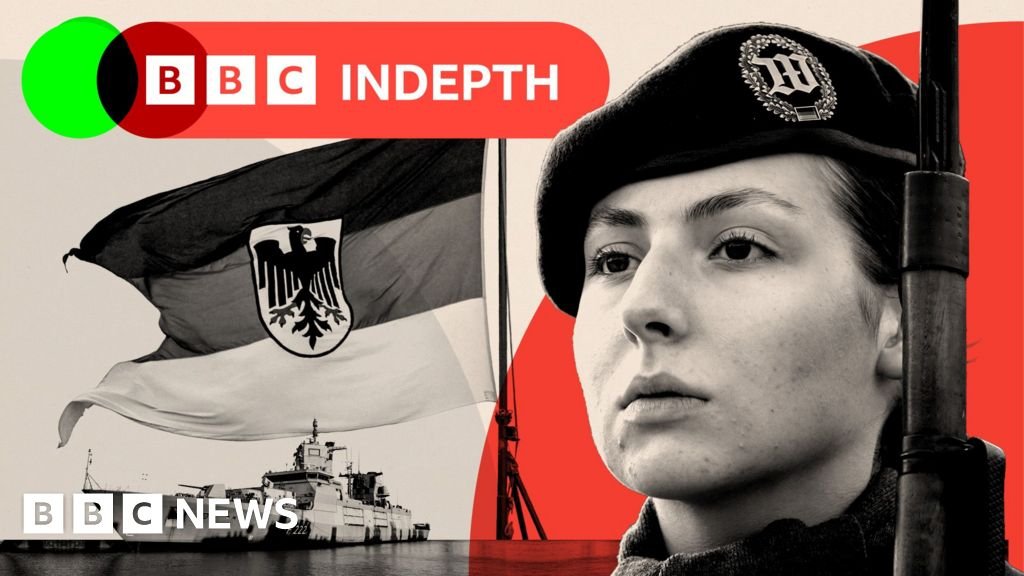
The Impact of War on German Identity and Foreign Policy
In discussing the current geopolitical landscape, it’s crucial to understand its implications for various nations. Specifically, the evolving situation poses greater challenges for Germany compared to the British or the French. While Britain and France have longstanding national identities and historical narratives to draw upon, Germany’s post-war identity was largely about reinventing itself within a framework of stability and rules-based governance. This article explores the nuances of how these tensions affect Germany today.
The Unique German Experience
For Germany, the aftermath of World War II was not merely a transition but a complete reimagining of its national identity. The emphasis was on starting anew, a move away from militarism towards a commitment to peace and order. This fundamental shift has shaped German foreign policy over the decades.
The Quest for Stability
At the core of German diplomacy has been the pursuit of a rules-based international order. Although this structure is not without its flaws, it has served as a guiding principle for Germany’s interactions on the global stage. This quest for stability is currently being tested, given the rising tensions to the east.
Changing Dynamics of Alliances
As conflicts flare up around Europe, Germany finds itself looking for reassurance from allies. The once-reliable support from these partners is now perceived as uncertain. The challenges to the east and shifts in alliances have left many Germans questioning the security framework they have relied on.
The Role of Allies
Historically, Germany has looked to its allies for guidance and support. However, as the global landscape evolves, this reliance is viewed with increasing skepticism. The sense that previous guarantees of safety may no longer hold adds to the instability felt among the German populace.
Conclusion
The current geopolitical tensions in Europe present a unique challenge for Germany. While Britain and France may draw on their national narratives, Germany is grappling with its identity in a complicated world order. The need for a resilient and coherent foreign policy has never been more critical.
Key Takeaways
- The geopolitical climate is more destabilizing for Germany than for Britain or France.
- Germany’s post-war identity was built around a commitment to a rules-based international order.
- Tensions in neighboring regions are challenging Germany’s reliance on traditional alliances.
- The evolution of foreign policy is essential for addressing current security concerns.