
The Impact of War on Healthcare in Lebanon
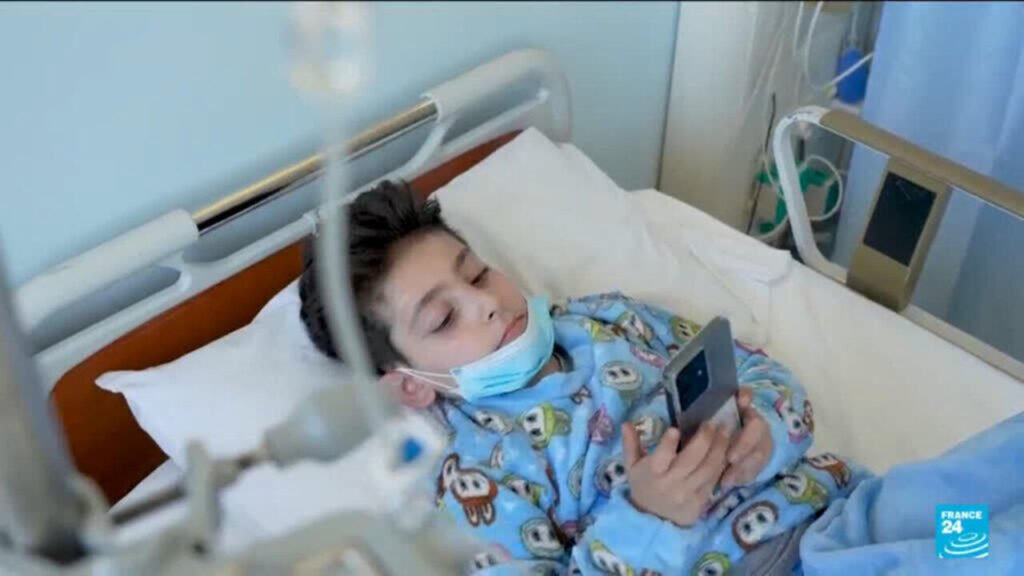
The ongoing conflict in Lebanon is affecting lives in ways that extend beyond the battlefield. For individuals suffering from chronic illnesses, the war has ushered in a significant secondary crisis, severely limiting their access to essential medication needed for survival. In the oncology wards of Beirut, many families are grappling with the staggering costs of treatment, leaving them in despair. One poignant example is the struggle of eight-year-old Hani, whose journey toward recovery has now turned into a race against time.
The Silent Crisis of Medication Shortages
As the war continues, the healthcare system in Lebanon faces unprecedented challenges. Those who depend on regular medication for chronic conditions find themselves facing dire shortages and skyrocketing prices. The emotional and financial toll this takes on families is immense, creating a silent crisis that often goes unnoticed.
The Struggles of Families
Families like Hani’s are caught in a desperate situation. With the cost of life-saving treatments surging, many are forced to make impossible choices between basic necessities and healthcare. This has turned into an agonizing dilemma for many, impacting not just the patients but the entire family unit.
A Race Against Time
For Hani, the fight against his illness is not just about getting better; it’s a race against time. His parents are tirelessly seeking out options for affordable medications and treatments, often facing hurdles at every turn. The emotional strain of worrying about their child’s health, coupled with the financial burden, has created a bleak outlook for many families in similar situations.
Community and Support
In these challenging times, community support has become invaluable. Grassroots organizations and local initiatives are stepping in to fill the gaps left by the healthcare system, providing much-needed resources and assistance to those in need. Such acts of kindness offer a glimmer of hope amidst the despair that so many families are experiencing.
Conclusion
The war in Lebanon is not only a conflict of arms but a struggle for survival for many battling chronic illnesses. The overwhelming burden of accessing necessary medications has sparked a secondary crisis that requires urgent attention. Stories like that of Hani remind us of the resilience of families amid adversity and the critical need for support and solutions in these dire times.
Key Takeaways
- Lebanon’s ongoing war significantly impacts healthcare access, especially for chronic illness patients.
- The conflict has led to severe medication shortages and increased treatment costs.
- Families are facing heartbreaking choices between healthcare and essential needs.
- Community support is essential in helping families navigate these challenges.