
Ceasefire Agreement Between Iran and the United States
In a significant development, Iran and the United States have reached a two-week ceasefire, allowing for safe passage through the critical Strait of Hormuz. As the conflict enters its 40th day, both sides have agreed to halt attacks while hopes are set on peace talks scheduled to begin in Pakistan. This truce, announced in the early hours of Wednesday, follows a declaration from US President Donald Trump about suspending military strikes, contingent on Iran’s willingness to fully open the Strait of Hormuz, a vital waterway that facilitates 20% of global oil supply.
The Backdrop of the Conflict
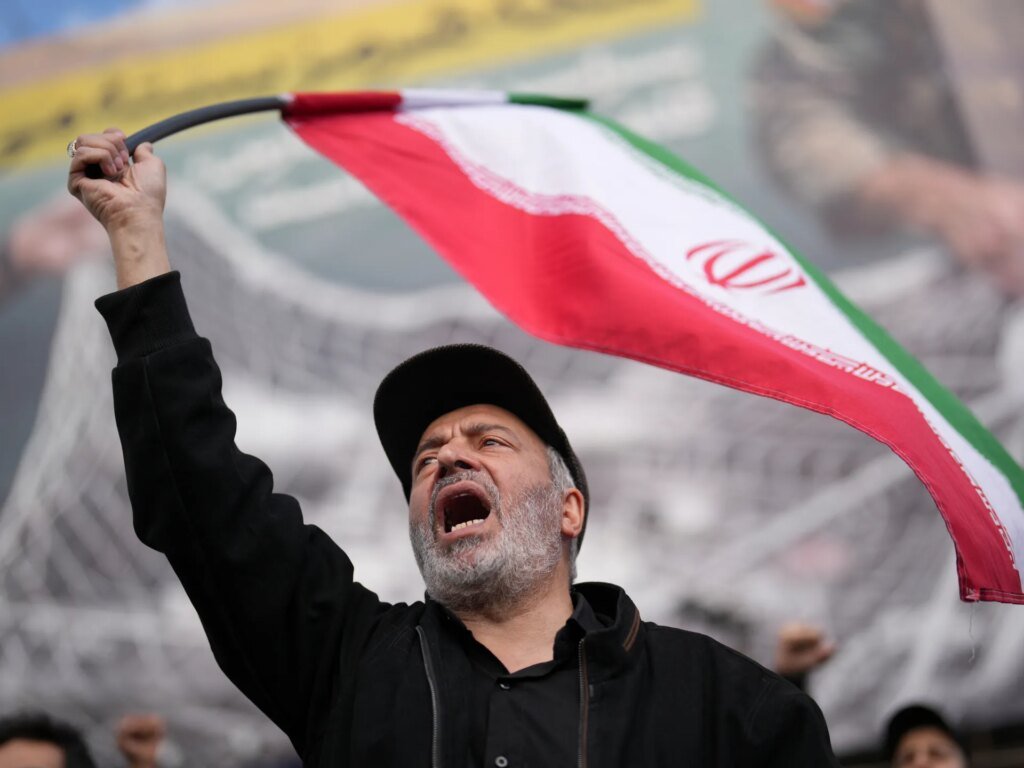
Iran’s foreign ministry has confirmed that safe transit through the Strait, coordinated with its armed forces, will be implemented for the two-week duration of the ceasefire. The announcement spurred celebrations across Iran, and various world leaders have responded positively to the news. The ongoing hostilities have involved nearly the entire Middle East, with Iran conducting retaliatory strikes purportedly targeting US assets in the Gulf Cooperation Council nations. Meanwhile, Gulf states accused Iran of attacking civilian infrastructure during these conflicts.
The situation escalated further when Tehran-backed Hezbollah launched attacks on Israel, drawing Lebanon into the fray on March 2. While Israel has endorsed the two-week ceasefire, it has stated that this agreement does not extend to Lebanon, despite initial announcements from Pakistan suggesting otherwise.
Reactions from the Gulf and Other Middle Eastern Nations
Saudi Arabia
The Saudi foreign ministry expressed its approval, stating it “welcomes” the ceasefire and calls for an end to hostilities in the region. They also emphasized the importance of reopening the Strait of Hormuz, hoping that the ceasefire would lead to long-term, sustainable peace.
Qatar
Qatar’s foreign ministry regarded the ceasefire as an “initial step toward de-escalation,” urging all involved to build on this moment to prevent further tensions. They stressed the need for comprehensive adherence to the ceasefire and cessation of hostile acts by Iran. Additionally, they underscored the significance of safeguarding maritime security and upholding international navigation laws to maintain stability in the region.
United Arab Emirates
Anwar Gargash, diplomatic adviser to the UAE president, declared that “the UAE triumphed in a war we sincerely sought to avoid.” He reflected on the nation’s defensive success and its strengthened position to navigate a complex regional landscape. Gargash expressed confidence in the UAE’s ability to influence the future positively.
Oman
Oman’s foreign ministry welcomed the ceasefire and commended Pakistan and other parties for their efforts in seeking peace. They highlighted the urgency in finding lasting solutions to end the crisis and achieve a comprehensive cessation of hostilities in the region.
Iraq
Iraq’s foreign ministry also voiced support for the ceasefire, advocating for serious and sustainable dialogue between the US and Iran. They emphasized the need to address the root causes of disputes to enhance mutual trust amidst ongoing violence involving Tehran-backed groups and US forces.
Egypt
The Egyptian foreign ministry highlighted the ceasefire as a valuable opportunity for negotiations and called for a commitment to halt military operations while ensuring freedom for international navigation. Egypt intends to work closely with Pakistan and Turkiye to bolster security and stability in the region.
Turkey
Turkey welcomed the ceasefire and pledged support for the forthcoming negotiations in Islamabad. The Turkish foreign ministry stressed the importance of grounding the ceasefire on concrete actions and adherence to the agreement by all parties involved.
Sudan
Sudan characterized the two-week ceasefire as “a positive step towards de-escalation,” emphasizing its role in fostering diplomacy aimed at promoting peace and stability in the region.
Conclusion
The recent ceasefire agreement between Iran and the United States marks a pivotal moment in ongoing tensions in the Middle East, with widespread implications for regional stability. As different nations respond to this truce, the hope is that it will lead to more profound discussions and lasting peace in the area.
- Iran and the US have agreed to a two-week ceasefire.
- The ceasefire allows safe transit through the Strait of Hormuz.
- Responses from Gulf nations emphasize the need for de-escalation and dialogue.
- Peace talks are set to begin in Pakistan, raising hopes for a long-term resolution.