
Germany Stands Firm Against Diplomatic Channels with Russia Amid Ongoing Ukraine Conflict
The ongoing war in Ukraine continues to spark intense discussions among European leaders about the best approach to achieving peace. Germany has reiterated its resistance to reopening diplomatic discussions with Russian President Vladimir Putin, despite a growing call for dialogue from leaders in France and Italy. This article explores Germany’s stance, the differing opinions across Europe, and the potential implications for the future of negotiations.
Germany’s Position on Negotiations
A spokesperson from Germany’s Federal Foreign Office emphasized the importance of direct talks between Russia and Ukraine, asserting that any sustainable peace must involve Ukraine. However, they noted a lack of change in Russia’s stance, which remains characterized by uncompromising demands and ongoing assaults on Ukrainian civilian infrastructure.
Chancellor Friedrich Merz’s Skepticism
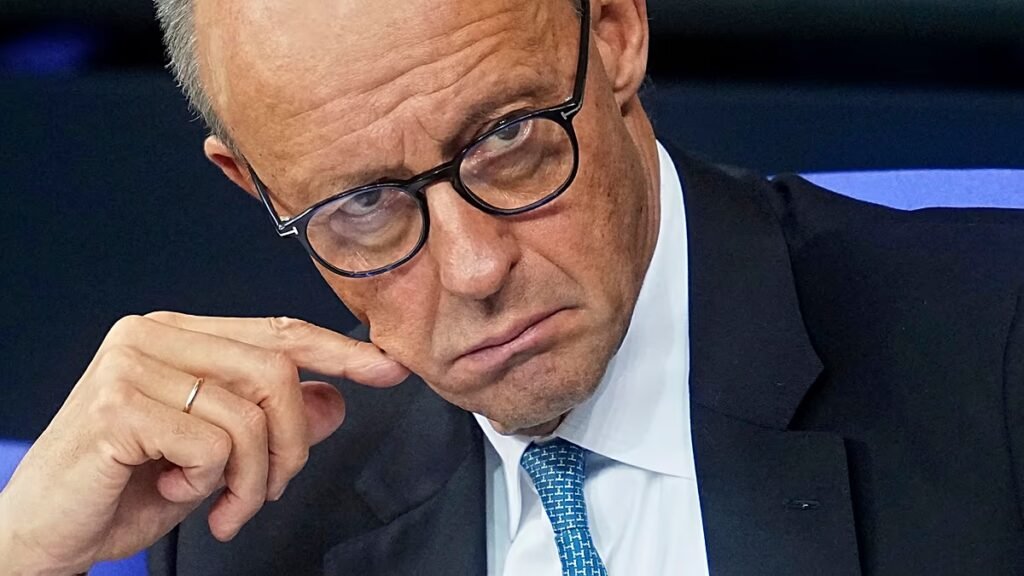
Last week, German Chancellor Friedrich Merz voiced his doubts about re-engaging with the Kremlin. He pointed out Russia’s ongoing refusal to implement an unconditional ceasefire—a critical request from European nations. Merz stated, “We will have to maintain our pressure and sanctions, and intensify them wherever possible.” He underscored that the European Union is coordinating its position with Kyiv and Washington.
Calls for a Shift in Moscow’s Approach
Merz highlighted that “Moscow must be willing to end the war.” He warned that the economic ramifications for Russia will only escalate as time progresses, stressing that the current situation remains precarious.
Divergent Views Among European Leaders
This firm stance from Germany sharply contrasts with positions taken by France and Italy. Recently, French President Emmanuel Macron advocated for resuming dialogue with Putin, emphasizing the urgency of communication. The Italian Prime Minister, Giorgia Meloni, supported this viewpoint, cautioning that Europe risks limiting its potential contribution to peace if it communicates solely with one side.
European Commission’s Position
The European Commission has indicated that direct talks could occur in the future, but High Representative Kaja Kallas advised that Russia must make significant concessions first. She remarked, “What we are working on is putting more pressure on Russia so that they would go from pretending to negotiate to actually negotiate.”
The Role of European Nations in Future Negotiations
As discussions of peace talks progress, European capitals are critically assessing their roles in the negotiations, which could reshape the continent’s security landscape for generations. Some feel that until Russia alters its aggressive tactics, engagement in talks is unfeasible. The Estonian foreign ministry cautioned against renewing relations without a change in Russia’s approach, stating, “We must not repeat mistakes made time and again by restoring relations when Russia has not changed course.”
Calls for European Initiative
Conversely, others believe Europe must take a proactive approach to avoid dependence on the United States for negotiations. The Czech Republic’s foreign ministry proposed that the EU should consider appointing a special envoy dedicated to future peace talks regarding Russia’s actions in Ukraine. This suggestion emphasizes the necessity for Europe to maintain relevance in these discussions.
Upcoming Sanctions Against Russia
As the political landscape evolves, Brussels is preparing a fresh package of eco-sanctions against Russia. These measures are expected to be revealed soon, with the aim of having them ready before the full-scale invasion marks its fourth anniversary on February 24th.
Conclusion
The debate over whether to engage in dialogue with Russia continues to deepen, with clear divisions among European leaders. Germany, standing firm in its view, underscores the complexities of achieving peace in Ukraine and the necessity of a unified and strategic European response.
- Germany opposes reopening talks with Russia amid the ongoing Ukraine war.
- Chancellor Friedrich Merz emphasizes the need to sustain pressure and sanctions against Russia.
- European leaders exhibit differing views on the necessity and timing of dialogue with Putin.
- The EU is preparing new sanctions against Russia as the conflict continues.