
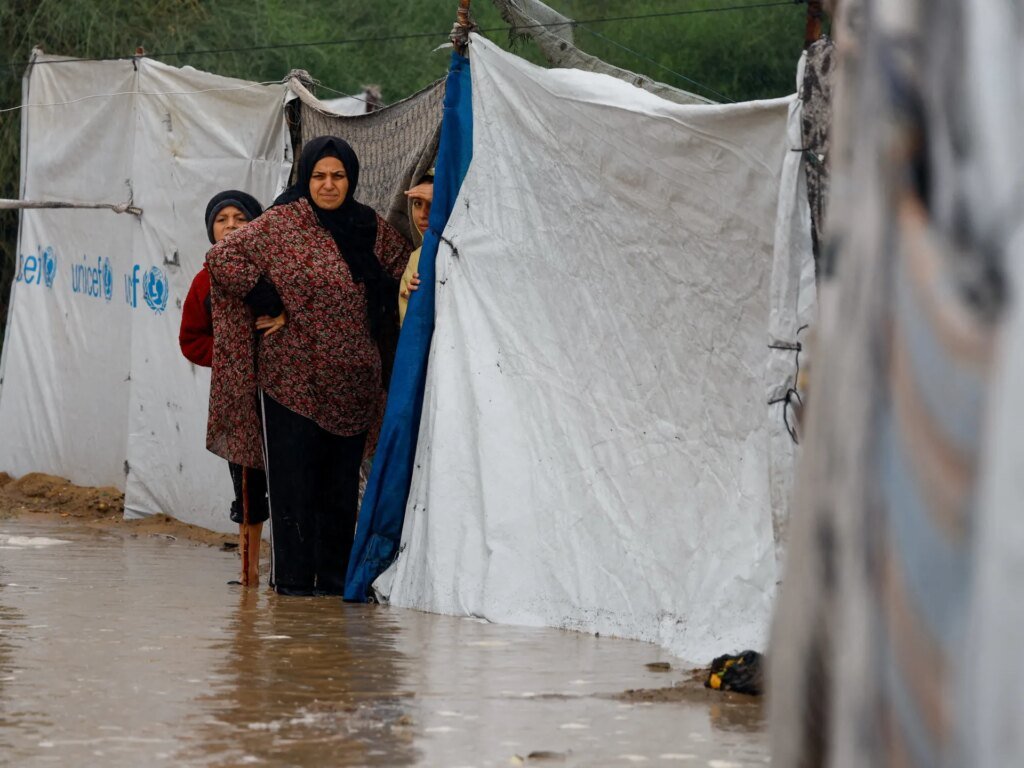
Crucial Aid Ban in Gaza Raises Alarm Among Displaced Palestinians
As the situation in Gaza continues to deteriorate, displaced Palestinians are expressing urgent concerns over Israel’s impending ban on numerous international organizations that provide essential assistance within the area. This decision threatens the lifeline for many who rely on these services amid a humanitarian crisis.
Desperate Situation on the Ground
Siraj al-Masri, a resident of Khan Younis, articulated the plight faced by many, stating, “There is no alternative to the aid organisations helping besieged Palestinians in Gaza.” He lamented the lack of resources, saying, “Where are we supposed to go? We have no income, no money.” The scarcity of medical facilities exacerbates the dire circumstances, with al-Masri highlighting that this could lead to catastrophic outcomes for the injured, as even ordinary citizens seeking medical help face tremendous challenges.
Details of the Ban
The Israeli government plans to revoke the licenses of 37 international NGOs, including prominent organizations like Doctors Without Borders (MSF) and the Norwegian Refugee Council. This ban is part of a broader effort to delegitimize entities that aid Palestinians, fueled by unsubstantiated claims of connections to Hamas. The new regulations demand that aid organizations disclose detailed information about their operations and staff.
Ramzi Abu al-Neel, another Gaza resident, remarked, “Even with the presence of humanitarian organizations, the situation is already tragic. If their support is taken away, God knows what will happen. Many children will die, lives will be shattered, and families will be devastated by this decision.”
International Response
A coalition of foreign ministers from ten nations, including Canada, France, Japan, and the United Kingdom, recently issued a statement urging Israel to allow international NGOs to operate in Gaza consistently and predictably. They stressed that interfering with their operations is unacceptable, emphasizing that without this assistance, urgent needs would go unfulfilled on a necessary scale.
Despite a ceasefire, ongoing violence has continued, with reports of Palestinian casualties and restrictions on the entry of essential aid and supplies to Gaza, including temporary shelter. With vast areas of the region in ruins, over a million residents are enduring harsh winter conditions while living in improvised tents. The lack of economic opportunities means that many rely heavily on international aid.
Impact on Humanitarian Efforts
Abdullah al-Hawajri, another displaced resident from Khan Younis, noted, “Most people rely entirely on the assistance that comes from international organizations.” The United Nations agency for Palestinian refugees (UNRWA) has condemned Israel’s decision, stating it compromises humanitarian operations in the already desperate environment of Gaza. UNRWA chief Philippe Lazzarini warned that the move sets a “dangerous precedent” that undermines fundamental humanitarian principles worldwide.
Historically, Israel has enacted various measures to restrict UNRWA’s operations, which play a crucial role in providing aid and services in Gaza. Lazzarini expressed concerns that the latest ban against aid groups reflects a worrying trend of contempt for international humanitarian law and increasing barriers to aid provision.
Contradictions and Ceasefire Agreements
According to the Gaza Government Media Office, approximately 500 aid workers and volunteers have lost their lives during the ongoing conflicts, amidst a suffocating blockade that has led to starvation and suffering in the area. This ban appears to contradict the ceasefire agreement and previous assurances made in diplomatic outlines regarding the unhindered entry of aid through recognized international organizations.
Conclusion
The ban on international aid organizations in Gaza not only jeopardizes vital assistance but also raises significant ethical and humanitarian concerns. The reliance of many Palestinian families on these services makes the situation increasingly dire, highlighting the immediate need for dialogue and resolution.