
Inside the Turbulent Year of U.S. Trade Policy
The past year has seen U.S. trade policy embroiled in turmoil and uncertainty, with a series of tariff proposals, reversals, and legal disputes. The Trump administration has waded into trade wars affecting nearly all global partners, releasing a stream of new tariffs that have upended the status quo. This article breaks down the significant developments in U.S. trade actions throughout the months of 2025, revealing the underlying motivations and the consequences for consumers and businesses alike.
January – March
In the early months of 2025, President Trump concentrated his tariff efforts on the United States’ top three trading partners: Canada, Mexico, and China. This period was characterized by an erratic implementation of tariffs, which frequently changed, often leading to retaliatory measures from other nations. Additionally, the U.S. boosted import taxes on steel and aluminum to 25%, further expanding the tariffs initially applied in 2018.
April
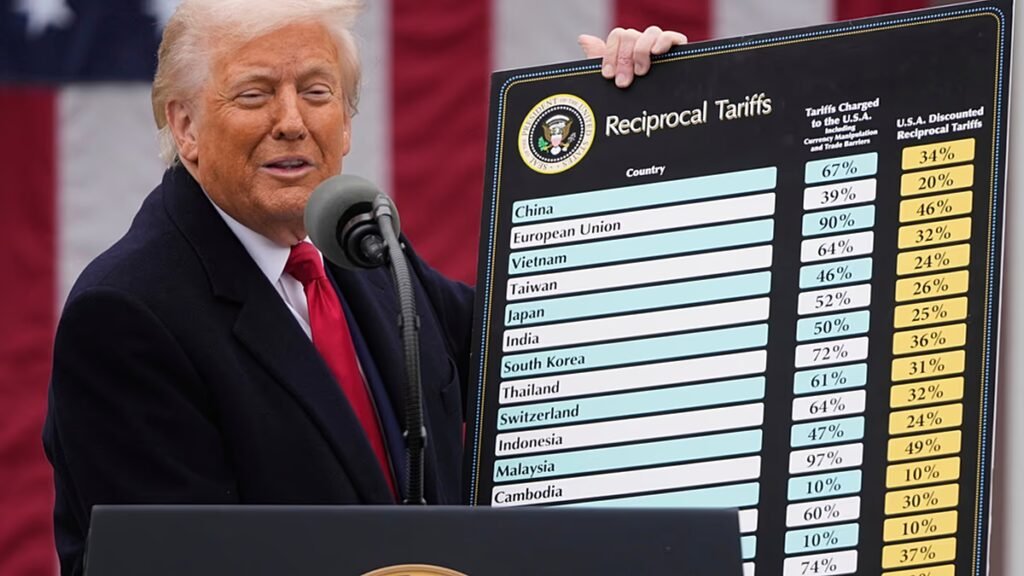
April marked a significant escalation in trade hostilities, with Trump unveiling sweeping “Liberation Day” tariffs on a multitude of countries, causing stock market instability. He tweeted that it was a “great time to buy,” shortly before delaying several increased import taxes, contributing to the chaos. U.S.-China trade relations hit a boiling point, as both sides imposed towering tariffs, reaching as high as 145% and 125%, respectively. Furthermore, the 25% tariffs on automobiles created a ripple effect of uncertainty within the automotive industry.
May – July
During the summer, the administration touted “framework” agreements with countries including China, the UK, and Vietnam. However, contradictorily, letters were dispatched to numerous countries signaling impending tariff hikes, particularly intensifying tensions with Brazil and India. Tariffs on steel and aluminum soared to an eye-watering 50%. Amid these developments, a pivotal federal court decision intervened, blocking some tariffs imposed under an emergency law, albeit temporarily stalled by an appeals court.
August
In August, new tariffs on over 60 countries and the European Union took effect, marking a continuation of April’s tariff increases. Notably, the import tax on Canada reached 35%, and tariffs on goods from Brazil and India jumped to 50%. Additionally, a significant change occurred when low-value imports lost their duty-free status due to the ending of the “de minimis” rule. The trade agreement truce with China was extended, even as a court ruling questioned the legality of Trump’s national emergency declarations for imposed tariffs without fully overturning them.
September – December
As the year closed, the administration escalated its tariff battle to the Supreme Court, though initial discussions indicated skepticism from justices regarding Trump’s broad authority. New sectoral tariffs were announced, including a 25% levy on kitchen cabinets and furniture. In a surprising move, Trump also indicated a reduction or elimination of select tariffs on products such as beef and fruit due to rising price pressures. He hinted that American citizens might receive a $2,000 dividend from new tariff revenues, although specifics remained elusive.
Conclusion
The tumultuous year for U.S. trade policy underscores the volatility and unpredictability inherent in the current political climate. As tariffs continue to shift, both businesses and consumers remain uncertain about what lies ahead. The impacts of these trade wars are still unfolding, and the implications will be felt in various sectors for years to come.
Key Takeaways
- U.S. tariffs saw dramatic shifts, impacting trade relations with major partners.
- Significant increases in tariffs on steel, aluminum, and numerous goods created market instability.
- Legal challenges complicated tariff enforcement, raising questions about presidential authority.
- Uncertainty remains as the administration signals potential future adjustments to tariffs.