
France’s Emergency Legislation for Continued State Operations
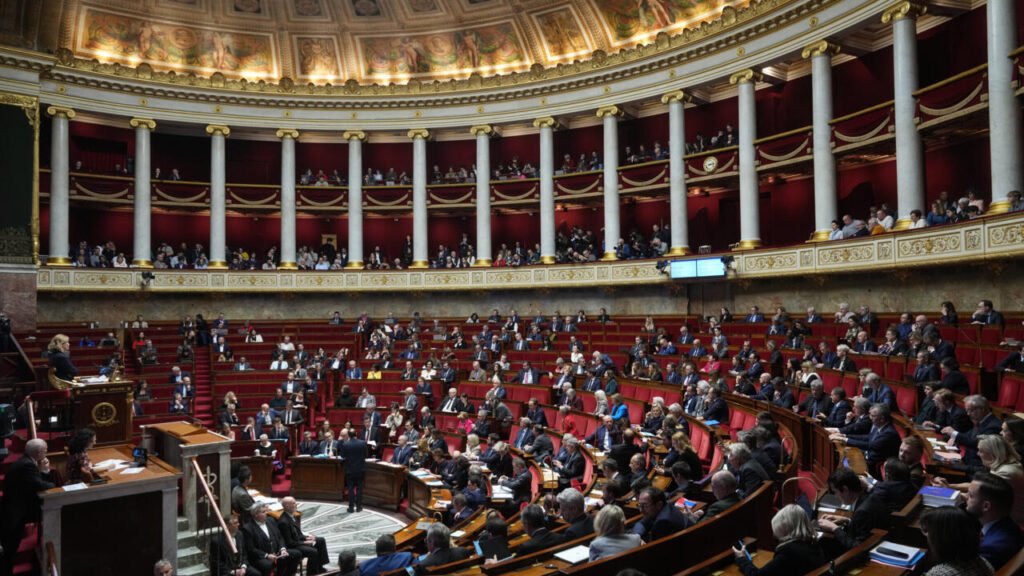
The French Parliament’s lower house has taken urgent steps to ensure the state remains functional amidst budgetary uncertainties. On Tuesday, lawmakers passed emergency legislation that will keep state operations fluid until a formal budget for 2026 can be established by the deeply divided parliament.
Background on the Emergency Legislation
Prime Minister Sébastien Lecornu acted swiftly, introducing the legislation late on Monday. This move came after both houses of parliament failed to reach an agreement on the 2026 budget, largely due to disagreements over necessary spending cuts and proposed tax increases. The incoming law, which was set for a Senate vote later that evening, would permit the government to extend the 2025 financial limits into the new year while allowing tax collection and debt issuance to continue.
Concerns Expressed by Officials
Budget Minister Amelie de Montchalin voiced her concerns regarding the legislation before the lower house’s vote. She stated,
“It’s a bare-minimum service that responds neither to the emergencies nor to the demands of the French people. Every day of the special law will be, in 2026, one day too many.”
Impact on France’s Financial Standing
As the budgetary challenges persist, both investors and credit rating agencies are closely monitoring France’s fiscal health. Prime Minister Lecornu faces the tough task of addressing a budget deficit currently at 5.4 percent of the country’s output, marking the highest deficit in the 20-nation eurozone. The Prime Minister’s minority government finds itself with limited flexibility in a parliament riddled with conflicts, where budget disagreements have already led to the downfall of three governments since President Emmanuel Macron’s absence of a parliamentary majority following a snap election in 2024.
Historical Context
This isn’t the first time France has turned to emergency rollover legislation. Similar actions were taken last year to sustain state operations until a complete budget for 2025 was approved in February, a delay that reportedly cost the government €12 billion.
Conclusion
With the passage of this emergency legislation, France aims to maintain essential operations in the face of significant budgetary challenges. However, the debate over spending cuts and tax adjustments continues to create obstacles, highlighting the complexities within the current political landscape.
Key Takeaways
- Emergency legislation enables the state to maintain operations until a 2026 budget is finalized.
- Budget Minister expresses concerns over the inadequacy of emergency measures.
- France faces the highest budget deficit in the eurozone at 5.4%.
- Historical precedents show reliance on similar legislation to manage budget delays.