
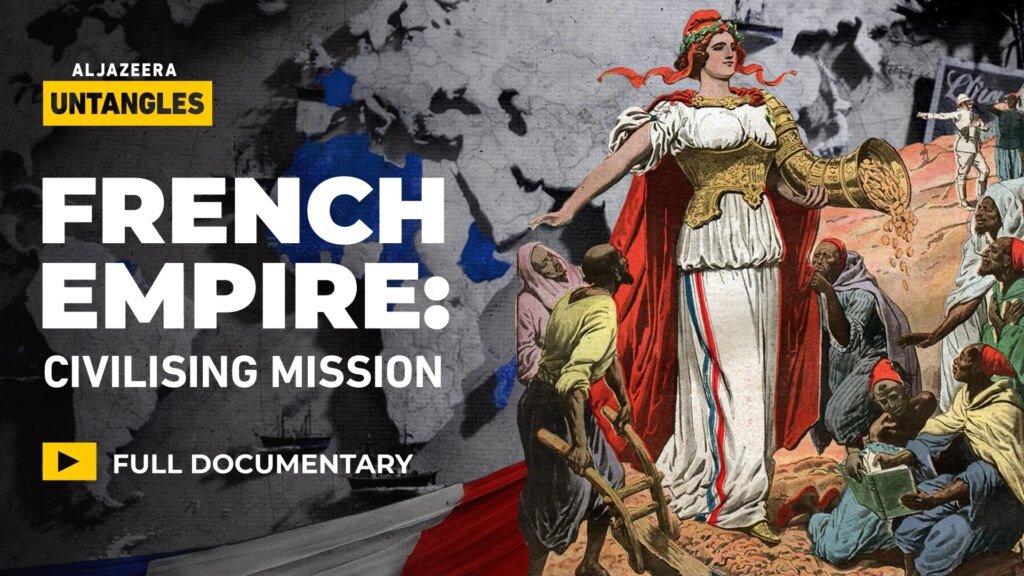
The Influence of Language and Culture in the French Empire
Exploring the French Empire’s expansion reveals that beyond military conquests, its true strength lay in language, education, and cultural assimilation. This article delves into how these mechanisms served as tools for domination and sparked resistance. With a focus on tools like the “civilizing mission,” we will see how these established systems impact modern society.
The Mission Civilisatrice
At the core of French colonial rule was the concept of the “mission civilisatrice.” This doctrine professed to elevate colonized societies via education, governance, and the French language. In practice, it aimed to alter the identities, allegiances, and cultures of colonized peoples, replacing indigenous traditions with French customs while enforcing tight political and economic control. Educational institutions, legal frameworks, and bureaucratic systems became just as influential as military forces.
The Mechanics of Colonial Administration
The documentary presents case studies from Algeria, Indochina, and West Africa, highlighting how colonial administrations operated on various fronts. Each region illustrates the interplay of education and governance within the framework of exploitation.
Algeria
In Algeria, settler colonialism and widespread repression incited conflict, leading to fierce resistance against French rule.
Indochina
In Indochina, the coexistence of educational systems and bureaucratic control with exploitation fueled nationalistic movements that sought independence.
West Africa
West Africa witnessed a shift in social hierarchies and governance due to language policies and the implementation of indirect rule, altering the structure of local leadership.
Resistance and Repercussions
This exploration reveals how various resistance movements challenged the narrative of civilization that France propagated. These movements, whether through anticolonial struggles or intellectual discourse, forced France to confront the inherent contradictions of its imperial ambitions. The fallout not only weakened the foundations of imperial authority but also transformed French politics, culture, and identity.
Colonial Legacies in a Modern Context
The documentary positions French colonial strategies within a contemporary global framework. Today, the United States exerts influence less through traditional empires and more through soft power. Through mediums like Hollywood cinema and digital platforms, American values and narratives permeate worldwide, shaping cultural perceptions in ways reminiscent of earlier imperial endeavors. Additionally, U.S. hegemony in academia and publishing helps define what knowledge is respected and disseminated globally.
Moreover, the article draws a direct line from French colonialism to the modern world. Current discussions surrounding language, immigration, secularism, and inequality have deep roots in the colonial systems established to manage and categorize populations. Many contemporary institutions, educational methodologies, and economic relations continue to reflect the frameworks set in place during the colonial era.
The Lasting Legacy
By examining how cultural control, education, and governance function as instruments of power, this piece reveals the profound ways in which the legacy of French colonialism still influences modern capitalism, global inequality, and postcolonial relationships.
Conclusion
The influence of the French Empire extends far beyond its territorial boundaries, shaping global conversations around culture and power. Understanding this legacy helps illuminate many contemporary issues we face today, making it clear that the past continually informs the present.
- The French Empire utilized language and education as tools of control.
- Resistance movements actively challenged colonial narratives and power structures.
- Modern systems of governance and education often reflect colonial structures.
- The legacies of colonialism still shape global inequality and modern cultural perceptions.