
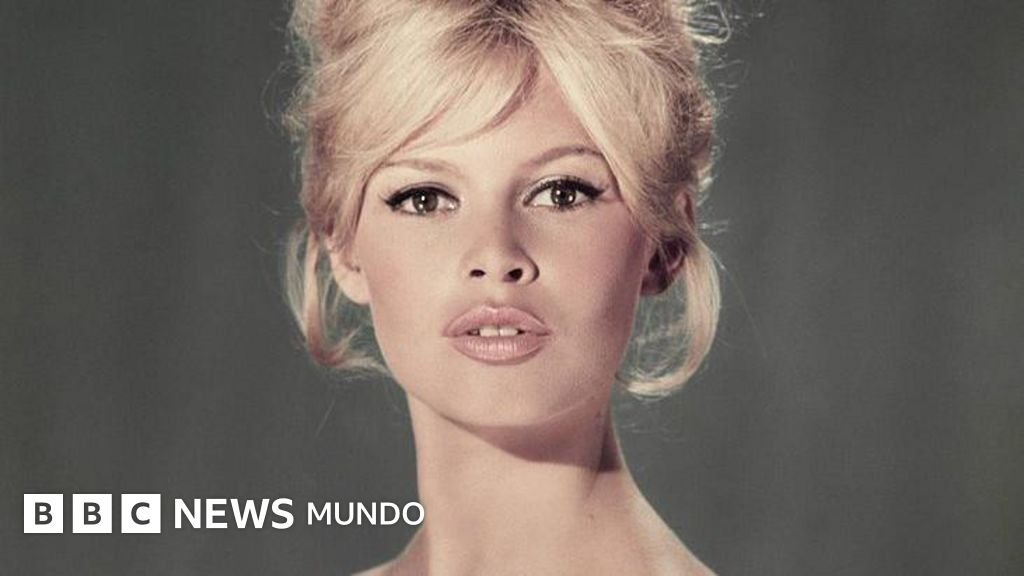
The Legacy of Brigitte Bardot: An Icon of Freedom and Animal Rights
Brigitte Bardot, often referred to as “the bombshell,” was a revolutionary figure in cinema during the 1950s. Known as the French Marilyn Monroe, her striking beauty, tumultuous personal life, and constant media attention made her a global sensation. Bardot, who recently passed away at the age of 91, departed from the spotlight long ago, leaving behind a rich legacy as both an actress and a passionate advocate for animal rights.
A Life in the Limelight
During her heyday, Bardot redefined femininity and brought the bikini into popular culture, solidifying her status as an emblem of female desire and French cinema. “The Brigitte Bardot Foundation announces with deep sadness the passing of its founder and president, Brigitte Bardot, a world-renowned actress and singer, who chose to retire from her illustrious career to devote her life and energy to animal welfare,” the foundation shared with AFP.
The Enigmatic Actress
Despite her commercial success as a sexual icon, Bardot yearned to be recognized for her serious acting abilities. She is best remembered for her roles in classics like And God Created Woman and Contempt. She passed away on Sunday morning at her beloved residence, La Madrague, located in Saint-Tropez, southern France.
In October, she underwent surgery in Toulon, the details of which were not disclosed, and later returned home to recuperate. After media reports emerged about another hospitalization in late November, Bardot reassured her fans about her health.
Activism and Legacy
After stepping away from the film industry more than fifty years ago, Bardot had a legacy of about fifty films to her name. Two unforgettable scenes captured her essence: a feverish mambo in a Saint-Tropez restaurant from And God Created Woman (1956) and a provocative monologue in Contempt (1963), where she detailed her body while nude.
Globally recognized, Bardot contributed to the allure of both Saint-Tropez and Búzios in Brazil, establishing a fashion sense that featured ballet flats, Breton-striped tops, and checkered prints. She embodied the spirit of a liberated woman, famously singing about independence in collaboration with composer Serge Gainsbourg.
Her final film appearance was in 1973, after which she shifted focus to her lifelong passion: advocating for animal rights. In 1986, she founded the Brigitte Bardot Foundation, which has become a cornerstone of her legacy.
Controversial Views and Reflections
In recent years, Bardot was notable for her strong political positions and provocative statements on topics such as immigration and feminism. Some of her comments even led to legal consequences for racial insults. “Freedom is being oneself, even when it irritates people,” she asserted in a book titled My ABC, published in early October.
In this same book, she lamented that France had become “boring, sad, submissive, sick, damaged, ordinary, vulgar.” She stated that the right-wing was the “only urgent remedy for the agony of France,” expressing her open alignment with the views of far-right leader Marine Le Pen.
Life in Retreat
In her later years, Bardot resided in southern France, splitting her time between La Madrague and a countryside retreat called La Garrigue, where she housed animals and maintained a private chapel. In a May interview with BFMTV, she expressed a desire for “peace and nature.” “I now live as a farmer with my sheep, goats, pigs, a little donkey, a pony, and all my dogs and cats,” the former worldwide icon shared.
Conclusion
Brigitte Bardot leaves behind a complex legacy that intertwines her cinematic achievements with her passionate activism. She transformed the portrayal of women in film while tirelessly advocating for animal rights, embodying a unique blend of glamour and grit.
- Brigitte Bardot was an iconic figure in 1950s cinema, known for her stunning beauty and tumultuous personal life.
- She transitioned from a celebrated actress to a dedicated animal rights advocate, founding the Brigitte Bardot Foundation.
- Bardot’s bold political views often sparked controversy, cementing her status as a complex public figure.
- She lived humbly in her later years, embracing a tranquil life surrounded by animals in southern France.