
Poland’s Constitutional Tribunal: A Call for Judicial Independence
On December 18, 2025, the European Union’s top court delivered a significant ruling regarding Poland’s Constitutional Tribunal, highlighting concerns about its independence and impartiality due to politically motivated judicial appointments. This article delves into the implications of the court’s decision and the current state of Poland’s judiciary.
The Ruling by the EU Court of Justice
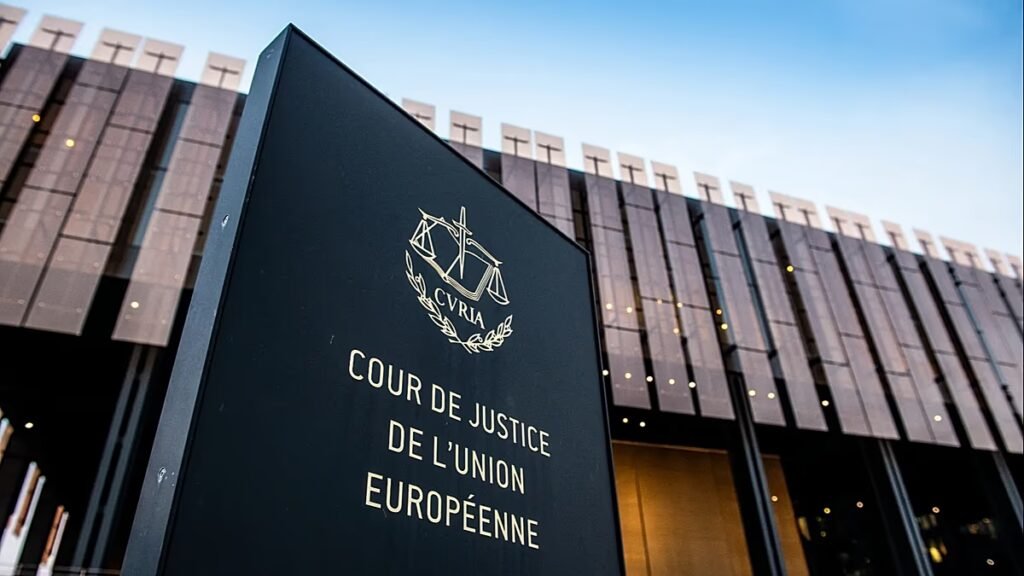
The EU’s Court of Justice found that the Polish Constitutional Tribunal has violated “the principle of effective judicial protection” and failed to respect the “primacy, autonomy, effectiveness, and uniform application of EU law.” This ruling underscores serious issues surrounding the Tribunal’s operations, particularly its ability to function independently from political influence.
Background on the Constitutional Tribunal
As the highest judicial authority in Poland, the Constitutional Tribunal oversees the alignment of laws and agreements with the Polish Constitution. However, between 2015 and 2023, the ruling Law and Justice party made drastic changes to the judicial landscape, effectively placing political control over the Tribunal and the Supreme Court.
Conflict with EU Authorities
This transformation of the judiciary led to tensions between Poland and the European Commission, which raised objections against some reforms and subsequently postponed financial support to the nation. The ruling from the EU court called into question the legitimacy of the Tribunal, particularly criticizing the appointment process of three judges and the president, which did not meet the standards of an independent judicial body as defined by EU law.
The Challenges Ahead
In light of this ruling, there is an expectation for reforms to restore the Tribunal’s independence, a necessary condition for Poland’s continued participation in the EU. However, successive justice ministers from the newly elected liberal government, in power since 2023, have struggled to enact these changes.
A key barrier remains the political alignment of current and former presidents with the Law and Justice party, who have blocked or signaled intentions to veto any legislative measures aimed at reversing these reforms.
Reactions to the Ruling
Poland’s Justice Minister, Waldemar Żurek, expressed optimism following the court’s ruling, stating, “This ruling obliges our state to take action. We must rebuild a genuine, independent Tribunal together. This is a fundamental issue for the state and citizens. We are ready for this task.” His comments reflect a commitment to addressing the court’s concerns and moving towards greater judicial autonomy.