
Shifting Alliances in EU Politics: The Rise of Far-Right Influence
The recent political landscape within the EU has been significantly reshaped by the European People’s Party (EPP) as it has chosen to align with far-right factions, leading to contentious rollbacks of environmental regulations. This article delves into the implications of this shift, the responses from various political groups, and the future of policymaking in Europe.
The Break with Centrist Alliances
The EPP’s decision to stray from its traditional centrist partners and lean on far-right support has sparked intense debate. This alliance has brought about concerning changes to EU regulations, particularly in the areas of corporate sustainability and deforestation. Far-right lawmakers have celebrated this moment as a significant achievement.
Far-Right Ambitions
In the wake of this political maneuver, far-right groups have expressed their intentions to leverage their newfound influence. Leaders from the Patriots and European Conservatives and Reformists (ECR) are advocating for stricter migration policies, deregulation across industries, and the reversal of the planned 2035 ban on combustion-engine vehicles. These demands signal that future legislative votes may come with considerable political costs.
Centrist Lawmakers in a Quandary
Centrist lawmakers find themselves increasingly trapped. Socialists, liberals, and Green party members accuse the EPP of opportunistically shifting right, while asserting that the existing governing coalition remains intact on paper. This situation has led one senior lawmaker to describe the dynamic as akin to an “abusive marriage.”
Maintaining Political Integrity
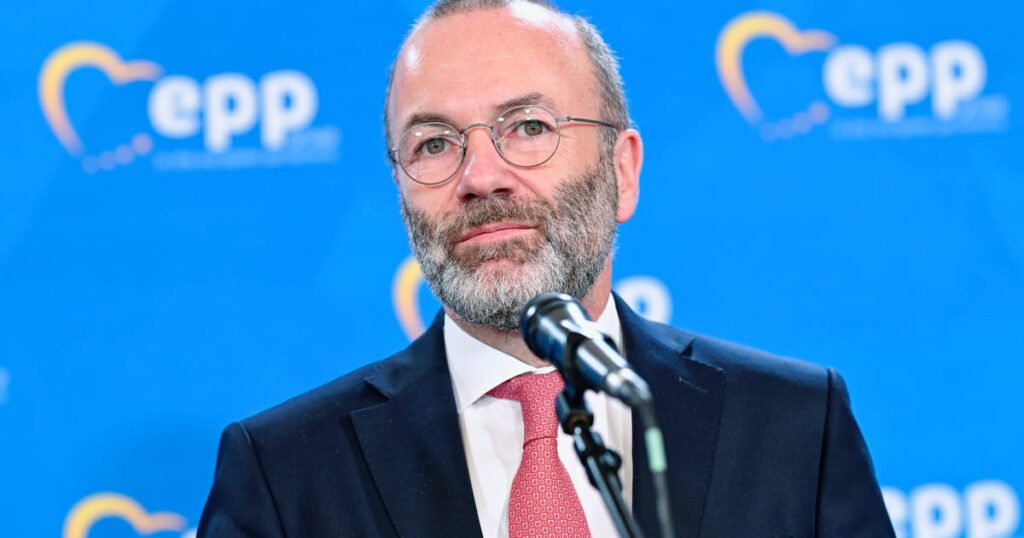
Despite the backlash, EPP leader Manfred Weber has refuted claims that the party is abandoning its principles against collaborating with far-right elements. “The firewall stands. We know who our enemies are,” he declared emphatically.
Three Essential Conditions
Weber outlined that any intentional partnerships with other groups would hinge on three crucial conditions: adherence to pro-Europe policies, support for Ukraine, and a commitment to the rule of law. He stated that any far-right parties failing to meet these benchmarks could not be considered valid partners.
Focus on the Political Center
When pressed about the potential for actively recruiting far-right votes to lift the phase-out of combustion-engine cars, Weber shifted the focus to centrist factions. He described his outreach as an “invitation” to those in the political center and expressed gratitude to Social Democrats for their “very positive first signals.”
Conclusion
The shifting alliances within the EU, particularly the EPP’s collaboration with far-right groups, pose significant questions for the future of European policymaking. As tensions rise among various political factions, the road ahead remains uncertain, with potential consequences for a wide range of issues from environmental regulations to migration policies.
Key Takeaways
- The EPP has aligned with far-right factions to roll back environmental rules.
- Far-right leaders are demanding stricter migration and deregulation policies.
- Centrist lawmakers express frustration, viewing the current situation as untenable.
- Weber emphasizes a need for strict conditions in any future alliances with far-right groups.