
Voices from Iran: Perspectives Amidst Conflict
In the aftermath of a tragic airstrike targeting a school in Iran, many experts and activists are weighing in on the implications of foreign military intervention and the pursuit of democracy. This article highlights the thoughts of Iranian activists and academics regarding the current crisis and the need for genuine change from within the country.
The Impact of Intervention
On February 28, a significant military action was taken against Iran, coinciding with U.S. President Donald Trump’s message of “freedom” for the Iranian people. Mansoureh Shojaee, an Iranian women’s rights activist and researcher, expressed skepticism about the notion that military force could usher in democracy. “How can one believe an attack could foster democracy?” she questioned. “Our fight against totalitarianism has been long and rooted deeply in our history. We do not need democracy delivered by bombs,” she added emphatically.
The Human Toll
According to Iranian UN Ambassador Amir Saeid Iravani, the conflict has resulted in the deaths of 1,332 civilians, including many children, since the onset of hostilities. Communication difficulties have compounded the distress for many Iranians living abroad, like Shojaee, who lamented her inability to reach family and friends. “I have no idea what’s happening to my homeland, my city, my relatives, or my only child,” she shared.
Desperation Among Iranians
Naghmeh Sohrabi, a U.S.-based Iranian historian, echoed similar sentiments, reflecting on her inability to make contact with family. “Once the bombs started falling, a significant part of the population felt hopeless about escaping the grip of the Islamic Republic,” she stated. The widespread protests that erupted following the death of Mahsa Amini in 2022 had already revealed deep cracks in the regime’s façade, with reports indicating thousands killed during those uprisings.
Changing Priorities in Crisis
As the conflict escalates, the priorities of the Iranian people may shift. “Now, the desire for freedom becomes secondary to survival,” Sohrabi noted, emphasizing that war inevitably alters the perception of what matters most.
Devastating Civilian Effects
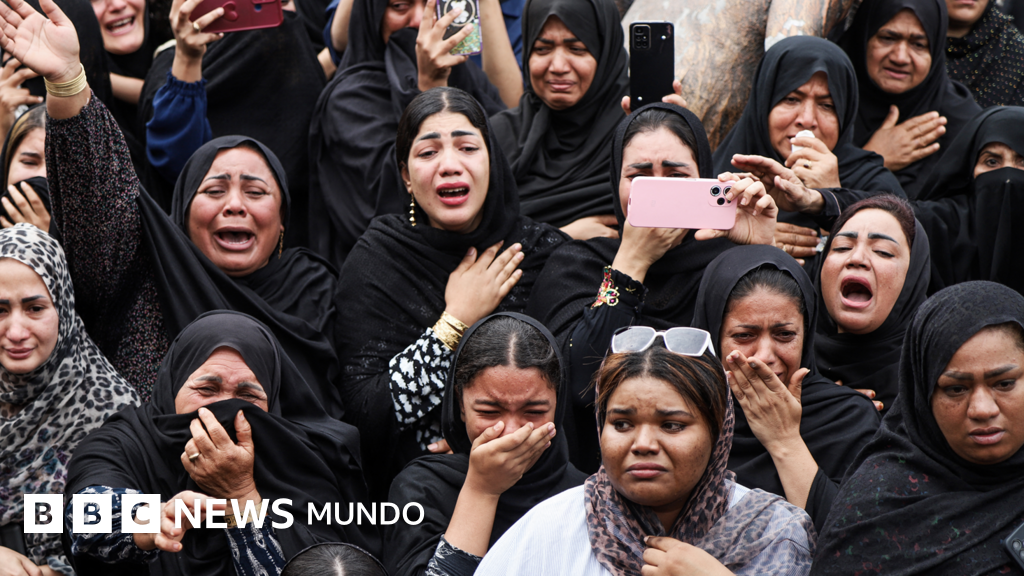
The toll of the ongoing airstrikes is staggering. Reports indicate over 1,000 deaths and thousands of injuries in just the initial phases of the conflict. Among the casualties were schoolgirls attending classes when a bomb targeted their institution on February 28, resulting in heartbreaking losses. The Iranian government specified that 165 fatalities and numerous injuries were attributed to this attack, which they attributed to U.S. and Israeli forces—a claim those nations have denied. Washington insists that civilian infrastructure was not targeted.
The Nature of War
Trump’s justification for military action was based on the assertion that the Iranian regime posed a direct threat to U.S. safety and its allies. Israeli officials bolstered this narrative, presenting Iran’s alleged nuclear ambitions as a pretext for intervention.
Perspective from Activists
For Shojaee, this conflict does not represent the will of the Iranian people. “This is not our war; it involves three states, and none of them will bring democracy or human rights to Iran,” she stated. Instead, she emphasized the need for domestic dialogue and civil society engagement, warning against relying on foreign intervention.
Hope for Change
Looking towards the future, both experts urge a profound change in how international support is structured. “We need backing from global human rights organizations, not from the U.S. or Israel,” Shojaee asserted.
A Personal Connection to History
Shojaee recalls her own experiences during the 1979 Islamic Revolution, where women’s voices rose against mandatory hijab laws. “We protested for our rights, and that spirit still lives on among Iranian women today,” she reflected.
Key Takeaways
- Military intervention is questioned as a path to democracy in Iran.
- The civilian toll of conflict is significant, especially among vulnerable populations like children.
- Iranian activists stress the importance of internal dialogue and civil society for genuine change.
- Support for human rights should come from international organizations, not military interventions.
Conclusion
The voices of Iranian activists highlight a complex and nuanced understanding of the current crisis. As the nation endures the impacts of conflict, many express a desire for change that is rooted in the hopes and needs of its people, rather than foreign bombings or military might.