
The Changing Landscape of Tattooing in South Korea
For over three decades, South Korea has maintained strict regulations on tattooing, allowing only medical professionals to perform the artistry. This legal framework, established by a Supreme Court ruling in 1992, aimed to limit needle insertion to those with medical qualifications. Despite these restrictions, tattoo culture thrived, giving rise to a thriving underground community of tattoo artists who faced significant risks, including imprisonment and hefty fines.
The Underground Movement
As of 2021, approximately 350,000 tattoo artists operated within South Korea, many of whom lacked medical certifications. These artists formed a unique subculture that transcended the legal landscape, fostering a community where individuals shared their artistic expressions, hopes, and dreams.
A Bold Expression
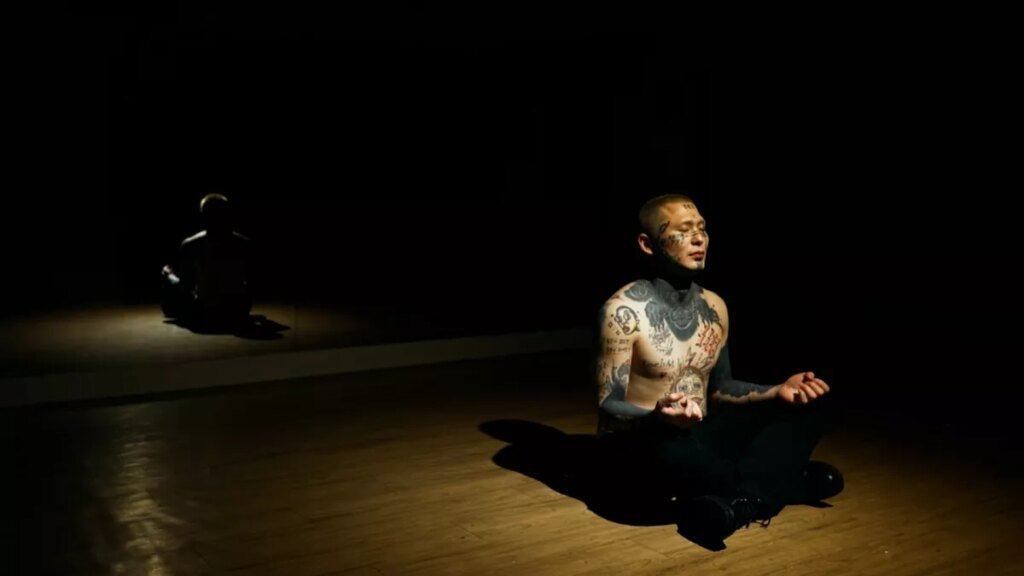
The documentary “Angels”, directed by Hicham Touili-Idrissi and Nancy-Wang Musisá, unveils the hidden lives of South Korean tattoo artists who navigate the challenges of their profession. The film compellingly illustrates how these individuals challenge the stigma surrounding tattoos while advocating for recognition of their art form.
The title of the work embodies its core message, illustrating the contradictions faced by those within the tattoo community. It spotlights Pie Boy, a young man adorned with tattoos who shares his life philosophy, stating, “you can have tattoos all over your face yet still be an angel.” Through this film, the directors aim to portray the complexities surrounding these artists who beautify the world despite potential ostracism.
Challenges Faced by Tattoo Artists
Financial instability remains a pervasive issue for these artists. Gui He, one of the featured tattooists, expresses her feelings on the lack of legal support for their work, stating, “my biggest problem is instability.” The absence of protective laws affects not only their livelihoods but also subjects them to significant social stigma, often from their families.
In South Korea, tattoos are still frequently linked to criminality or health risks, a perception rooted in history where tattoos were used as a punishment for offenders. This legacy continues to influence modern attitudes, creating a generational divide where younger individuals embrace tattoo culture while older generations often associate it with gangs.
Another artist from the documentary, Héin, reflects on his experiences, noting how older community members reacted to his face tattoos with concern. “Those were old women, like my grandmother,” he recalls, highlighting the enduring stigma present in society.
Legal Developments
After years of campaigning, change is finally on the horizon for the tattoo community. In September, new laws were enacted to officially recognize non-medical tattoo artists, marking a significant turning point. With formal licensing, these artists can now access benefits like social security and retirement pensions, which have been out of reach for so long.
“We’re discussing around 350,000 tattoo professionals who previously lacked support from the government,” explains Touili-Idrissi. He emphasizes that the new regulations will empower these artists and help standardize pricing, addressing longstanding issues within the industry.
However, while this legal change is a monumental step, full recognition is set to take two more years to implement. Moreover, shifting public perception will inevitably require more time, as surveys reveal a prevailing negative view of tattoos among the South Korean populace.
Looking Ahead
As the legalization process unfolds, it promises to be an essential period for tattoo artists. While legal acknowledgment is significant, changing deep-seated societal attitudes towards tattoos remains a critical challenge. “The social stigma surrounding tattoos cannot be instantly altered by law,” notes Touili-Idrissi. He hopes that with formal recognition, a more open dialogue about tattoo art can emerge within South Korea.
Conclusion
The landscape of tattooing in South Korea is on the brink of transformation. While significant hurdles remain, both in the legal and social realms, the resilience of tattoo artists and the burgeoning acceptance of their craft suggest a more promising future ahead.
- The 1992 ruling limited tattooing to medical professionals, leading to an underground culture.
- As of 2021, around 350,000 tattoo artists were actively working in South Korea.
- The new laws will grant non-medical tattoo artists official recognition and rights.
- Changing societal perceptions about tattoos will be crucial for the industry’s future.