
The Ancient Discovery of Human Fire Creation
Unveiling the Past
A groundbreaking archaeological finding in the UK is reshaping our understanding of when humans first created fire. Researchers have uncovered the oldest known evidence of fire generated by humans, dating back 400,000 years in East England. This discovery, discovered in the village of Barnham, pushes back the timeline by over 350,000 years, revealing that our ancestors learned to control fire much earlier than previously believed.
The Importance of Fire
The ability to create fire was a turning point for early humans. It offered heat on demand and allowed for the cooking of meat, which significantly influenced brain development. No longer were humans merely fighting for survival; this skill provided the time and opportunity for creativity, leading to the complex society we enjoy today.
The team has found burned earth alongside the oldest known Stone Age fire starter, which consisted of flint struck against a mineral called pyrite, often referred to as “fool’s gold,” to produce sparks.
The Barnham Site
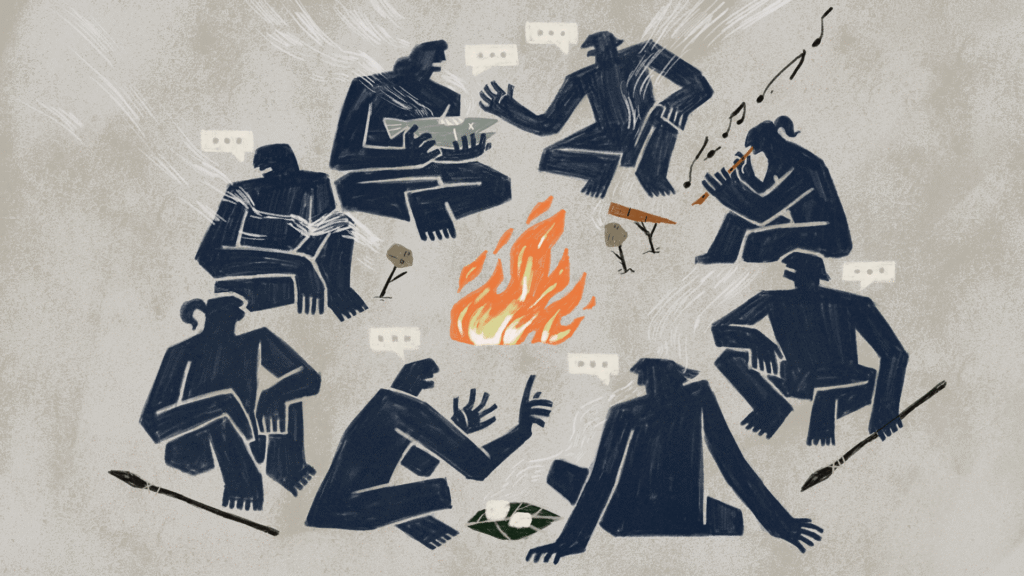
Nestled under the trees of Barnham forest lies an archaeological treasure, buried just a few meters below ground. Professor Nick Ashton from the British Museum guides us through the site, explaining its incredible history. He indicates that this was the heart of a prehistoric “town hall” where Stone Age inhabitants gathered around a fire hundreds of thousands of years ago.
The Discovery of Fire
As the excavation team delved deeper, they uncovered artifacts and evidence of heating that suggested repeated fire use. However, it wasn’t only the discovery of burned tools or minerals like pyrite that confirmed the use of fire; they found distinctive layers of clay, indicating controlled fires. Professor Ashton details how he discovered heated sediment, which appeared red instead of its usual yellowish-orange, confirming that this was no ordinary occurrence.
Who Were These People?
The bone structure of individuals from that era indicates they were not Homo sapiens but an earlier type of human, likely very early Neanderthals. The team believes that fires at Barnham were among many throughout Europe during that time. This is the first solid evidence of humans creating fire intentionally rather than merely tending to natural flames.
Professor Stringer suggests that these early humans probably brought their fire-making skills as they migrated from the land bridge connecting Britain to mainland Europe. Having instant access to fire was crucial for adapting to the British environment.
Homo sapiens did not arrive in Barnham until 350,000 years after these fires. Although the exact timeline of when our species learned to produce sparks is still unclear, experts believe that once a human species develops such technology, it proliferates quickly—much like wildfire.
Conclusion
This significant discovery marks the beginning of a new quest to uncover other human groups, including Homo sapiens, who learned to master a technology that has shaped our inventive and innovative selves. Understanding the origins of fire use opens new doors to exploring how early humans evolved and adapted to their environments.
Key Takeaways
- Discovery at Barnham rewrites the timeline of human fire creation, dating it to 400,000 years ago.
- Fire allowed for cooking and warmth, significantly impacting human evolution and brain development.
- Evidence suggests that early Neanderthals, not Homo sapiens, were responsible for creating fire in this region.
- This finding opens new avenues for understanding the technology and social complexities of early human life.