
The Legacy of Eglantyne Jebb: A Champion for Children’s Rights
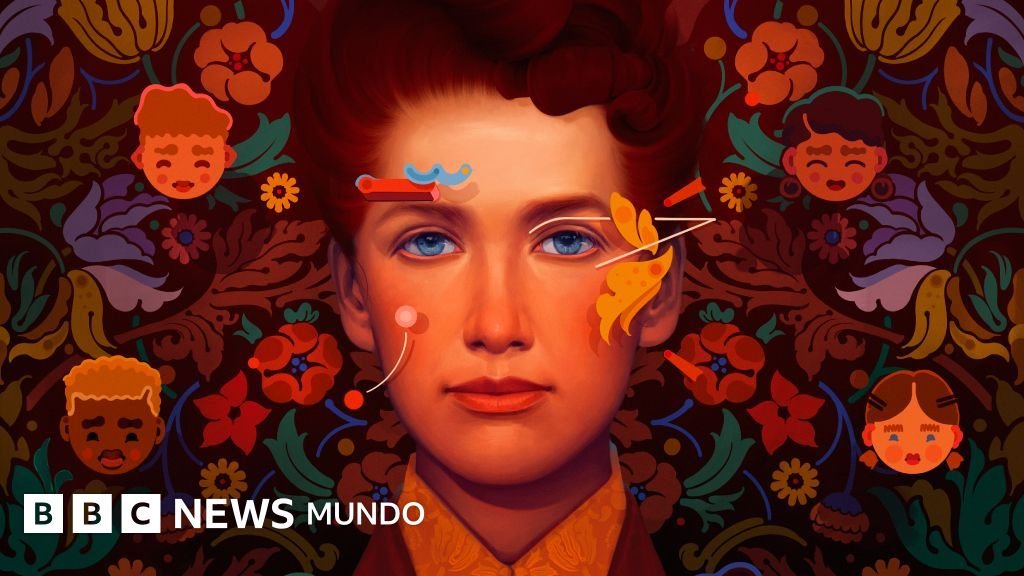
On a cloudy April day in 1919, Eglantyne Jebb made a significant mark on history as she stepped into Trafalgar Square, London. With her red hair elegantly tied up, tall and slender stature, and striking blue eyes that resembled forget-me-nots, Eglantyne stood amidst a place historically associated with protest and discontent. She was there to distribute a brochure featuring a poignant photograph of a tiny, malnourished two-and-a-half-year-old Austrian girl, who was unable to stand alone. This image starkly illustrated the devastating consequences of war-induced hunger that continued to afflict Europe a year after World War I.
A Troubling Reality
Despite the war’s end, many in Britain were indifferent to the suffering of those they had fought against. Eglantyne, however, was unyielding in her mission, believing profoundly in the need to alleviate child hunger worldwide. Yet her activism was met with hostility, and the police arrived to arrest her during her peaceful protest. Eglantyne, known for her tenacity, considered this a potential opportunity to amplify her message.
A Complex Relationship with Children
Born in 1876 into a prosperous family in Shropshire, England, Eglantyne enjoyed a blissful childhood among her five siblings. However, her father had reservations about her education, fearing that an educated daughter would be unfit for marriage. Fortunately, her progressive aunt Louisa recognized Eglantyne’s potential and fostered her education. Despite being barred from receiving a degree at Oxford University, Eglantyne thrived socially and intellectually while studying history.
Her life took a tragic turn in 1896 when she received news of her brother’s death. This profound loss ignited a sense of responsibility within her to contribute meaningfully to society. She abandoned her carefree lifestyle in favor of a mission to uplift the less fortunate, shedding material possessions in the process.
A Shift in Focus
After earning her degree, Eglantyne briefly tried her hand at teaching but quickly realized it wasn’t her true calling. She then turned towards social reform, working alongside the influential historian Florence Ada Keynes at the Charity Organisation Society in Cambridge. There, she conducted a social study that revealed that injustice, rather than misfortune, was at the root of poverty.
The Humanitarian Awakening
With a newfound sense of purpose, Eglantyne ventured into humanitarian work amidst the Balkan Crisis. She provided food and support to war-torn families, confronting the grim realities of conflict that shattered her earlier romantic notions of war. Her experiences solidified her disdain for warfare, leading her to understand its dehumanizing effects.
A Turning Point
In 1914, as the Great War broke out, Eglantyne was left physically drained due to a health collapse. However, she persisted in advocating for humanitarian efforts, using her experiences and insights to push back against the vilification of former enemies. Her determination grew stronger as reports emerged detailing the harrowing conditions faced by families affected by the conflict.
Legal Battle and Advocacy
In May 1919, Eglantyne faced legal action for distributing the distressing photographs of starving children, an arrest that she used to highlight moral concerns surrounding wartime humanitarianism. The court’s verdict, which resulted in a mere £5 fine for her, proved more significant as it garnered public support for her cause.
Seizing the moment, Eglantyne launched Save the Children, a pivotal organization committed to bettering the lives of children globally. This initiative received an unexpected early donation from the prosecutor in her case, marking the start of an enduring legacy.
Championing Child Rights
In 1924, Eglantyne’s unwavering advocacy led to the adoption of the Geneva Declaration of the Rights of the Child by the newly-formed League of Nations. She articulated a vision that every child deserved universal human rights, an endeavor that set the groundwork for the United Nations’ Convention on the Rights of the Child, adopted decades later.
An Enduring Impact
Despite passing away in 1928 at the age of 52, Eglantyne Jebb’s vision and efforts profoundly changed how the world perceives and treats children. Her legacy lives on in ongoing movements for children’s rights, proving her belief in the potential for compassion and humanity to triumph over indifference.
Key Takeaways
- Eglantyne Jebb was a pioneering advocate for children’s rights, co-founding Save the Children in 1919.
- She faced legal challenges for her activism but turned them into opportunities to amplify her humanitarian message.
- Her efforts led to the establishment of children’s rights frameworks that persist today.
- Jebb’s vision reshaped the global perspective on the inherent rights and dignity of all children.