
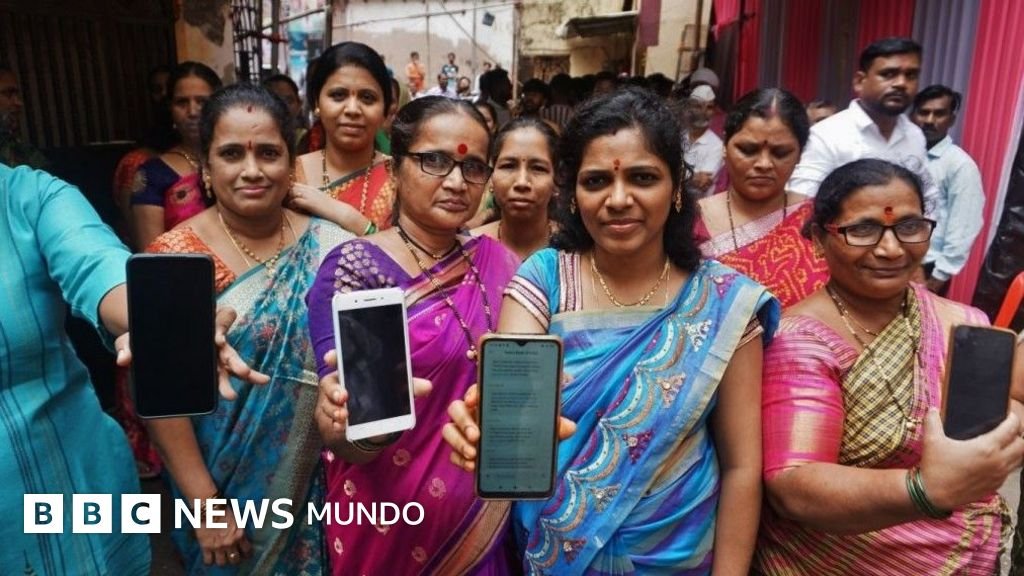
The Impact of Unconditional Cash Transfers on Women in India
In a quaint village located in Madhya Pradesh, India, a woman receives a modest yet consistent sum of money each month. This isn’t a salary from formal employment; rather, it’s an unconditional cash transfer from the government. For Premila Bhalavi, this monthly allocation of 1,500 rupees (approximately $16) plays a crucial role in her life, allowing her to purchase medications, fresh vegetables, and pay for her child’s school fees. While this amount may seem small, its impact is substantial, providing her with predictable income, a sense of autonomy, and a glimpse of independence. Her experience is becoming increasingly widespread.
Across India, a staggering 118 million adult women in 12 states now benefit from these government cash transfers, marking the country as a significant site for one of the largest and least studied social policy experiments globally. Historically accustomed to subsidizing food grains, fuel, and rural employment, India has shifted towards something more groundbreaking: compensating adult women simply for managing households and shouldering the burden of unpaid caregiving while being a potent electoral demographic.
A Fundamental Shift in Welfare Systems
The eligibility criteria for these cash transfers vary widely, including age limits, income thresholds, and exclusions for families with government employees, taxpayers, or those owning significant assets. “Unconditional cash transfers represent a significant expansion of social welfare systems in Indian states, favoring women,” explains Prabha Kotiswaran, a professor of law and social justice at King’s College London.
The monthly transfers range from 1,000 to 2,500 rupees ($12 to $30), amounts that may be modest but constitute about 5% to 12% of family income, received regularly. With 300 million women now holding bank accounts, administering these cash transfers has become more streamlined.
No Strings Attached
Women typically allocate this money to household needs and family expenses: children’s education, grocery items, cooking gas, medical expenditures, emergency costs, and sometimes personal items like jewelry or small luxuries. Unlike similar programs in countries like Mexico, Brazil, or Indonesia, these transfers are devoid of conditions; funds are provided regardless of school attendance or family poverty levels.
For instance, Bihar has made headlines by transferring 10,000 rupees ($112) to women’s bank accounts in the lead-up to elections. Goa was the pioneer state to launch an unconditional cash transfer program for women back in 2013. With Assam initiating a program for vulnerable women during the pandemic in 2020, these transfers have catapulted into an unstoppable political force.
Political Implications
This focus on the economic contributions of women has significantly influenced political landscapes. In 2021, actor-turned-politician Kamal Haasan from Tamil Nadu promised “wages for housewives,” although his fledgling party ultimately did not win. By 2024, promises of cash transfers aimed at women were instrumental in securing victories for political parties across Maharashtra, Jharkhand, Odisha, Haryana, and Andhra Pradesh. The political leverage of these cash transfers was vividly illustrated in the recent Bihar elections, where women outvoted men, impacting the overall results, despite criticism of vote buying.
Challenging Traditional Norms
Critics argue that these programs place financial stress on state budgets, with 12 states projected to spend around $18 billion this fiscal year, even though some are facing revenue deficits. Yet, many view this spending as a long-overdue acknowledgment of what feminists in India have advocated for decades: recognizing the economic value of unpaid domestic and caregiving work. According to the latest Time Use Survey, women in India dedicate nearly five hours a day to such work—7.6 times more than their male counterparts—which contributes to the persistent low female workforce participation.
Do They Work?
Although evidence remains somewhat scarce, the findings do provide insight. A 2025 study in Maharashtra indicated that 30% of eligible women did not register, often due to documentation issues or a sense of self-sufficiency. However, among those who did sign up, nearly all managed their own bank accounts. A 2023 survey in West Bengal found that 90% of women controlled their finances directly, with 86% deciding how to spend the money received. Most used it on essentials like food, education, and healthcare, offering them both security and a sense of autonomy.
Women’s Financial Agency
Studies consistently reveal that most women exercise complete control over these funds. “Evidence demonstrates that cash transfers are immensely beneficial for women to meet their immediate needs and those of their households. They restore dignity to women who may otherwise depend on their husbands for every small expense,” Kotiswaran states. Importantly, surveys report no evidence that these cash transfers discourage women from pursuing employment or reinforce gender roles—two primary concerns voiced by feminists. Nevertheless, while cash transfers do not alleviate the burden of unpaid labor, they do enhance financial autonomy and improve bargaining power within households.
What Lies Ahead?
Research suggests several clear paths forward. Eligibility criteria should be simplified, especially for women engaged in intensive unpaid caregiving. Unconditional cash transfers must remain independent of marital status, alongside reinforcing the importance of women’s rights and the value of unpaid labor. Financial literacy initiatives should also be emphasized. Moreover, while cash transfers cannot replace employment opportunities, many women continue to express a desire for paid work alongside respect and empowerment.
“If cash transfers are coupled with messages that acknowledge women’s unpaid work, they could help redress gender imbalances in labor when paid opportunities arise,” Kotiswaran notes. While the discreet revolution of cash transfers in India is in its infancy, it is already proving that even modest, regular financial support directed towards women can subtly but significantly shift power dynamics. Whether this leads to true empowerment or merely serves as a form of political patronage remains to be seen.
Conclusion
The phenomenon of unconditional cash transfers in India marks an important shift towards recognizing and compensating the profound domestic contributions made by women. Though challenges remain, these initiatives demonstrate that financial support can lay the groundwork for greater autonomy and influence in society.
- Approximately 118 million women in India receive monthly cash transfers from the government.
- These transfers aim to recognize women’s unpaid domestic and caregiving work.
- Women control the majority of the funds received, using them for household essentials.
- The impact of these transfers is shaping political landscapes and addressing financial autonomy.