
New U.S. Travel Proposal: Social Media History Requirement
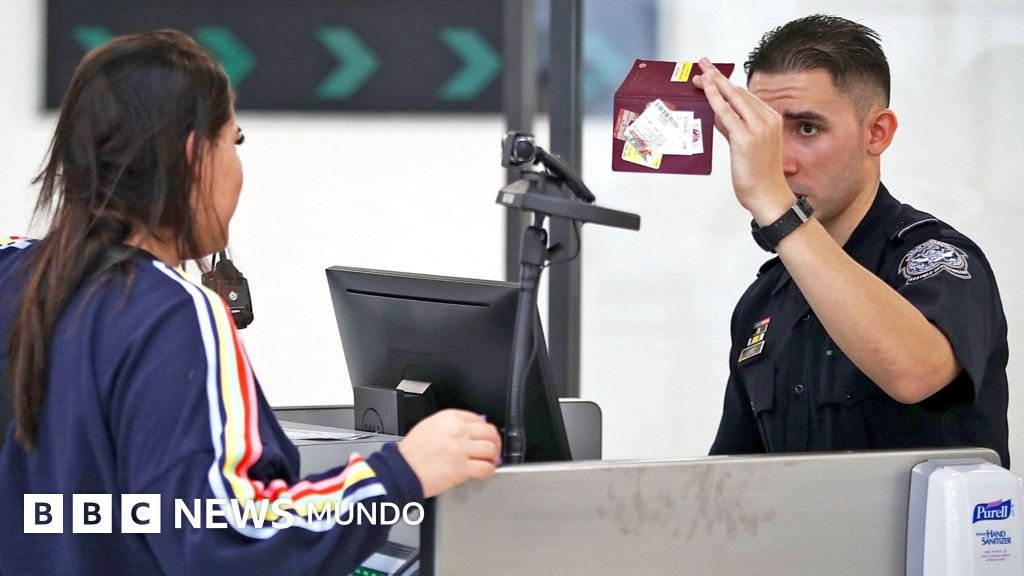
The U.S. government has introduced a significant proposal that could require tourists from several countries to provide a five-year history of their social media usage to gain entry into the United States. This measure specifically targets travelers using the Electronic System for Travel Authorization (ESTA), allowing visits for up to 90 days. Countries affected include Chile and Spain.
Strengthening Border Security
Since his return to the presidency in January, Donald Trump has implemented stricter border control measures citing national security as the primary concern. Analysts warn that the new requirement could act as a barrier for potential visitors and may infringe upon their digital rights.
Why the Change?
With the U.S. anticipating a surge in foreign tourism in the upcoming year, owing to hosting the World Cup alongside Canada and Mexico, and the 2028 Olympics in Los Angeles, the proposal aims to enhance security protocols.
Details of the Proposal
Presented by the Customs and Border Protection (CBP) agency and the Department of Homeland Security (DHS), the proposal recently appeared in the Federal Register. A CBP spokesperson assured that there are currently no changes affecting travelers entering the U.S., clarifying that this is merely a preliminary step to open discussions on the new policy options for safeguarding the American public.
Social Media Requirements
The plan stipulates that ESTA applicants must provide their social media handles from the past five years, although it does not specify the exact information required. The existing ESTA process already asks for minimal information from travelers, accompanied by a nominal fee of $40. It is available to citizens from around 40 countries, allowing multiple entries into the U.S. over a two-year validity period.
Further Information Requests
In addition to social media data, the application would require contact numbers used in the last five years and email addresses from the past ten years, along with information about their family members. This aligns with an executive order from Trump aimed at protecting the U.S. from foreign terrorists and other national security threats.
Public Response
Currently, this proposal is still under discussion, having entered a 60-day public comment period. Critics like Sophia Cope from the Electronic Frontier Foundation have expressed concerns that such measures could further damage civil liberties. Immigration law experts, including those from the firm Fragomen, have suggested that these changes may lead to longer waiting times for ESTA approvals.
Impact on Tourism
Concerns over altered travel policies under Trump have already impacted the U.S. tourism industry. Earlier this year, the World Travel and Tourism Council noted that the U.S. is expected to be the only one among 184 economies analyzed to see a decline in international visitor spending in 2025.
Online Presence Scrutiny
The Trump administration had previously stated that they would examine social media accounts when assessing foreign applicants for student and H-1B work visas. The State Department confirmed that they would review applicants’ online presence and mandated that privacy settings on social media profiles be public for these checks to be conducted.
Government Stance
A recent statement from a senior State Department official emphasized that the administration is committed to ensuring the safety of its citizens by implementing rigorous vetting processes.
Conclusion
As discussions continue around the proposed social media requirements for incoming travelers, the implications for privacy, digital rights, and tourism remain areas of concern and active debate. The path ahead will shape the landscape of U.S. border security and international travel.
Key Takeaways
- Travelers may need to provide social media history to enter the U.S.
- The proposal aligns with the Trump administration’s focus on national security.
- Public comments are currently being accepted on the proposal.
- The impacts of new travel policies could affect U.S. tourism negatively.