
Denmark Accuses Russia of Cyber Attacks
In a significant escalation of tensions, the Danish government has charged Russia with orchestrating two major cyber-attacks, marking what officials describe as clear evidence of a hybrid war. The Danish Defence Intelligence Service (DDIS) unveiled allegations on Thursday, attributing a cyber breach on a water utility and multiple denial-of-service attacks to Moscow’s influence.
Details of the Cyber Attacks
The DDIS reported that the cyber-attack on a Danish water utility occurred in December 2024, alongside a series of distributed denial-of-service (DDoS) attacks aimed at several Danish websites just prior to the municipal and regional council elections scheduled for November. The agency identified the pro-Russian group Z-Pentest as responsible for the water utility attack, while the attacks on the websites were linked to another group, NoName057(16), which has ties to the Russian government.
Purpose of the Attacks
According to DDIS, these cyber activities serve as tools of a larger hybrid warfare strategy employed by Russia against Western nations. The intelligence agency emphasized that the intention behind these attacks is to instill fear and disrupt the stability of targeted countries, particularly those offering support to Ukraine. This pattern of cyber engagement reflects a broader campaign aimed at eroding Western solidarity with Ukraine.
“We believe the Danish elections were exploited as a stage to generate public awareness—this tactic has been evident in numerous European elections,” the DDIS stated. Thomas Ahrenkiel, the director of DDIS, expressed confidence in the identification of these groups as affiliated with the Russian state.
Official Responses
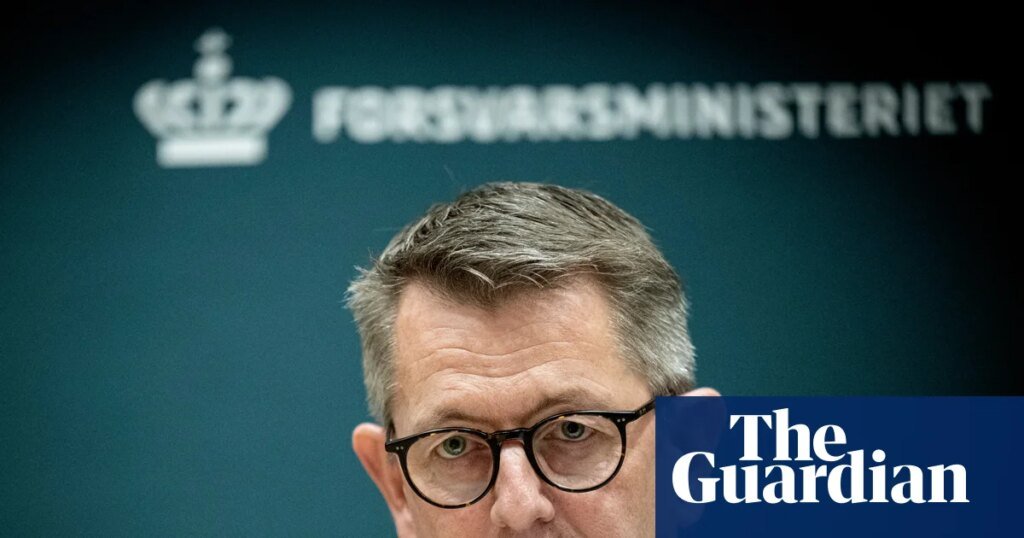
Denmark’s Defence Minister, Troels Lund Poulsen, declared the cyber-attacks as “completely unacceptable” and affirmed that the incidents would be treated with utmost seriousness. Lund Poulsen recounted how a hacker compromised a waterworks in Køge, manipulating pump pressure that led to three burst pipes.
“This starkly highlights our current reality; the hybrid warfare we have been discussing is indeed unfolding,” Lund Poulsen remarked, emphasizing the critical situation within Europe. Following these incidents, the Danish foreign office announced plans to summon the Russian ambassador for discussions, condemning the hybrid attacks as intolerable.
Evaluating the Threat
Despite the limited damage caused by the recent cyber incursions, Torsten Schack Pedersen, the Minister for Resilience and Preparedness, warned that there are factions capable of disrupting vital societal functions. He stressed that Denmark is lagging in its readiness to counteract such threats. “One would have to be extremely naive to believe we are leading the way in cybersecurity,” Pedersen stated.
Incidents Highlighting Vulnerabilities
Additionally, Copenhagen labeled a series of drone incursions over Danish airports and military zones in September as a part of a “hybrid attack.” These episodes revealed weaknesses in the nation’s defense strategy and have prompted considerations for a European-wide initiative, termed a “drone wall,” to bolster national security.
Conclusion
As Denmark confronts the reality of cyber threats linked to Russia, the implications for national security and international relations are profound. The government’s response demonstrates its commitment to addressing these issues head-on, while also highlighting the need for enhanced cybersecurity measures moving forward.
- Denmark attributes recent cyber-attacks to Russian-backed groups.
- The attacks target critical infrastructure and aim to destabilize support for Ukraine.
- Officials call for urgent improvements in the nation’s cybersecurity capabilities.
- Increased military awareness is prompted by recent drone incursions over sensitive areas.