
Protests Erupt in Tehran Amid Economic Turmoil
As Iran grapples with a plunging economy, severe energy shortages, and dire environmental challenges, citizens are increasingly voicing their frustrations. Recent protests in Tehran highlight the growing unrest among shopkeepers and lay bare the impact of the country’s ongoing crises.
Protests and Economic Hardships
In downtown Tehran, multiple demonstrations have emerged as business owners reacted to the continuously depreciating national currency. In the bustling Jomhouri area, shopkeepers near prominent tech and mobile phone centers shut their doors, chanting slogans to express their discontent. These incidents spread, drawing more participants as the protests continued into the following day.
Footage shared across social media platforms showcased gatherings not only in Jomhouri but also in nearby neighborhoods. The demonstrators rallied with chants of unity, proclaiming, “Don’t be afraid, we are together.” However, the police response was swift, as anti-riot forces clad in full gear took to the streets, reportedly deploying tear gas to disperse crowds.
Even the Grand Bazaar saw a wave of closures, with business owners urging one another to join the movement. State media acknowledged the protests but attempted to downplay their significance, framing the shopkeepers’ grievances solely as concerns over economic conditions rather than any opposition to the ruling theocratic regime.
The Impact of Currency Depreciation
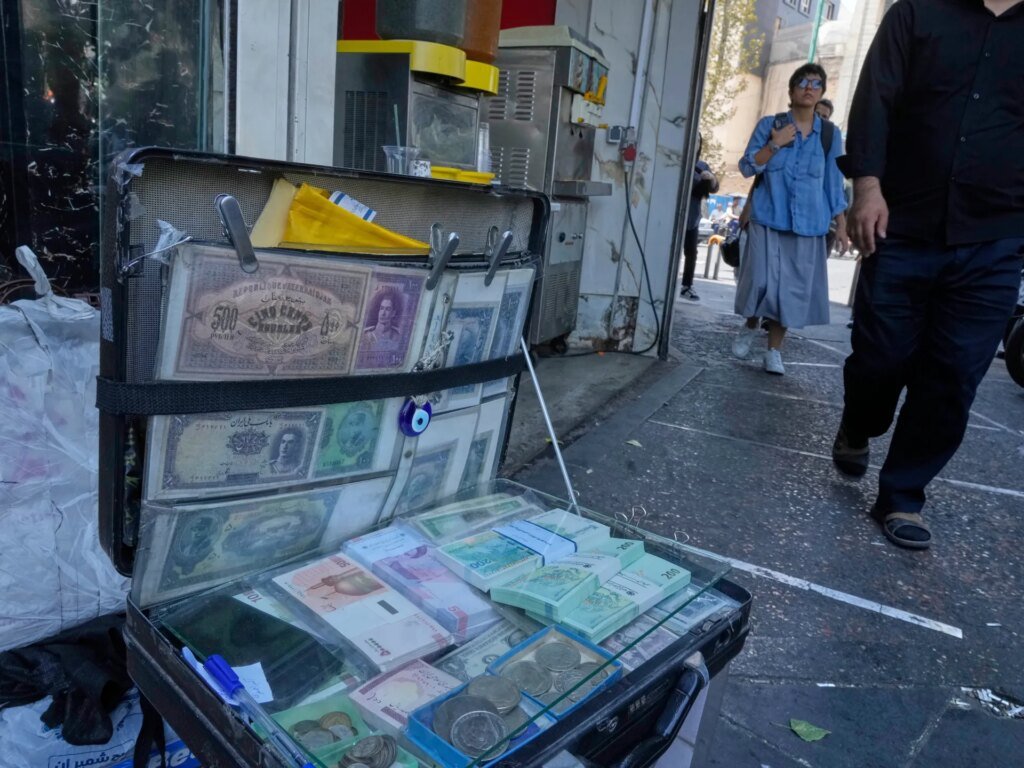
The Iranian rial has suffered unprecedented losses, recently hitting an all-time low of over 1.42 million rials to one US dollar before regaining some value. This significant depreciation has left many vendors in distress, struggling to keep their businesses afloat amidst rising inflation.
Broader Issues at Play
Economic troubles are only part of the picture. Iran is also facing a worsening energy crisis, which has led to catastrophic levels of air pollution, responsible for tens of thousands of deaths each year. The country’s water crisis is equally alarming, with many dams supplying Tehran nearing empty levels, further compounding the hardships faced by millions. Complicating the situation is Iran’s heavily restricted internet environment, which limits citizens’ access to vital information.
As purchasing power continues to decline for approximately 90 million Iranians, geopolitical tensions are escalating. The Iranian nuclear program is under scrutiny from the US, Israel, and European allies, contributing to the nation’s growing unrest. Previous military actions have resulted in substantial casualties and significant damage to Iranian infrastructure, raising the stakes in an already precarious situation.
A Legacy of Unrest
The recent protests echo the widespread demonstrations seen in 2022 and 2023, triggered by the tragic death of Mahsa Amini while in police custody. Public outrage during those protests resulted in hundreds of deaths, thousands of arrests, and several executions, as authorities attributed unrest to foreign influences and insurrectionists. This cycle of unrest highlights the deep-seated frustration permeating Iranian society.
Government Response and Economic Measures
In response to the escalating economic crisis, President Masoud Pezeshkian addressed parliament over a contentious budget bill his administration proposed. He painted a bleak picture of the Iranian economy, proposing a 20 percent wage increase despite soaring inflation, which hovers around 50%. Pezeshkian faced criticism over rising taxes, which could increase by 62 percent, as he called for understanding regarding the financial constraints faced by the government.
“They tell me you’re taxing too much, and they’re saying you must increase wages,” Pezeshkian expressed. “Well, somebody tell me, where do I get the money from?”
- Protests in Tehran are escalating due to economic hardships linked to a depreciating currency.
- Shopkeepers are closing businesses in solidarity, highlighting widespread frustration.
- The Iranian economy faces compounded issues including energy crises and environmental challenges.
- Calls for wage increases amidst soaring inflation remain contentious in government discussions.