
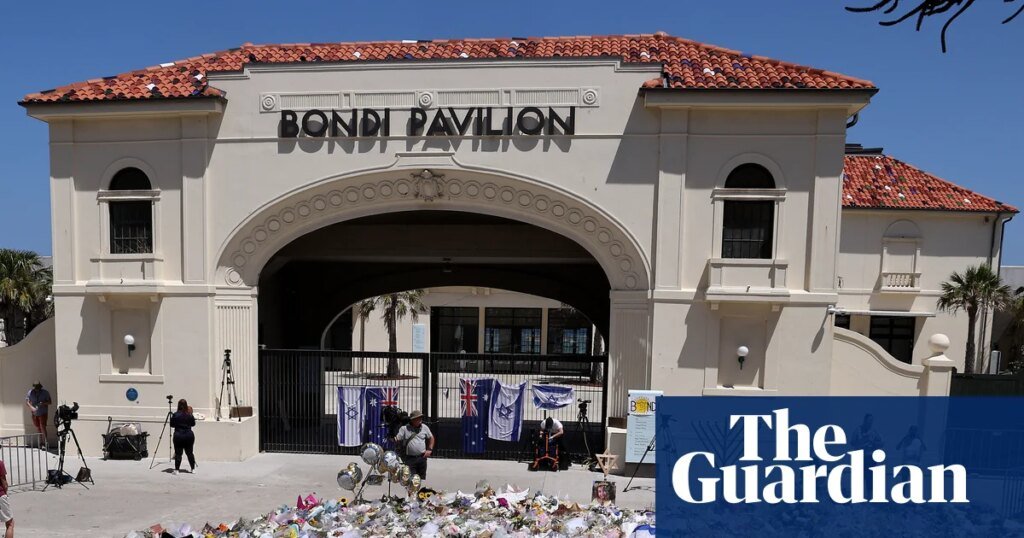
The Rise of Misinformation After the Bondi Beach Attack
In the aftermath of the tragic Bondi Beach terror attack, the spread of misinformation, propelled by AI technologies, became pervasive. As people sought accurate reports, various digital platforms amplified dubious claims, complicating the search for truth.
False Claims Flood Social Media
In the days following the attack, social media feeds were inundated with unfounded assertions. Some suggested that the horrifying event, which resulted in 15 fatalities, was merely a staged operation, while others wrongly linked the attackers to the IDF, labeled the injured as crisis actors, and falsely identified individuals involved. One particularly bizarre assertion was that a supposed hero, who intervened during the attack, was misrepresented as having a Christian identity instead of his real name, Ahmed al-Ahmed.
AI Complications
The situation intensified with the emergence of generative AI, which further distorted the narrative. A manipulated video featuring New South Wales Premier Chris Minns circulated widely, pairing him with deepfaked audio claiming false facts about the attackers. In a shocking twist, an AI-generated image of a victim was altered to depict him as a crisis actor, complete with red makeup intended to simulate blood. Human rights lawyer Arsen Ostrovsky, featured in the unjust image, expressed his outrage, stating, “I saw these images as I was being prepped to go into surgery today and will not dignify this sick campaign of lies and hate with a response.”
Targeted Disinformation Campaigns
Pakistan’s information minister, Attaullah Tarar, highlighted that his nation suffered from a systematic online disinformation push post-attack, including incorrect claims regarding the nationality of a suspect. Affected individuals conveyed how alarming and troubling it was to have their images paired with these spurious allegations. Tarar labeled this individual as “a victim of a malicious and organized campaign,” implicating efforts originating from India.
Misinformation Mechanisms
Amidst all this chaos, X’s AI chatbot Grok misleadingly indicated an IT professional with an English name was the hero who tackled an attacker, instead of the correct person. This inaccuracy reportedly stemmed from a website created on the same day as the terror incident, designed to imitate a legitimate news source.
The Evolution of Misinformation on Social Media
Once a reliable source for breaking news, X has shifted dramatically in its handling of information. While misinformation existed previously, it didn’t dominate feeds to the extent it does today, facilitated by algorithms prioritizing sensational and inflammatory content—often benefiting verified accounts both financially and in reach. Many misleading posts accumulated hundreds of thousands to millions of views, dwarfing legitimate news.
The Changing Landscape of Fact-Checking
Since Elon Musk’s takeover, X’s system for fact-checking has been replaced with a community-driven model known as “community notes,” which aims to provide crowdsourced validation. Other platforms are pivoting similarly. However, as pointed out by QUT lecturer Timothy Graham, this method falls short amid contentious opinions and is too slow to counteract misinformation effectively. Even when community notes were appended to posts, they arrived long after the damage was done.
Digital Media Response
To address this troubling trend, X has begun testing its own AI-generated community notes for fact-checking, though past experiences raise concerns about reliability. Most dangerously, many AI-generated fakes remain detectable—at least for now—yet as technology continues to evolve, distinguishing truth from deceit could become increasingly difficult.
Industry Response and Future Concerns
In Australia, Digi, the group representing social media companies, suggested eliminating the obligation to combat misinformation from their industry code, citing recent challenges related to its politically charged nature. The path forward remains unclear.
Conclusion
The Bondi Beach attack illustrates a growing crisis of misinformation amplified by AI. As social media platforms grapple with the implications, the challenge of filtering truth from falsehood looms larger than ever.
Key Takeaways
- The Bondi Beach attack triggered widespread misinformation fueled by AI.
- Numerous false claims, including identities and roles of involved individuals, circulated on social media.
- AI technologies both generated and exacerbated misleading content.
- Initiatives to counter misinformation face significant challenges in effectiveness and speed.