
The End of an Era: Denmark’s Postal Service Shifts Focus
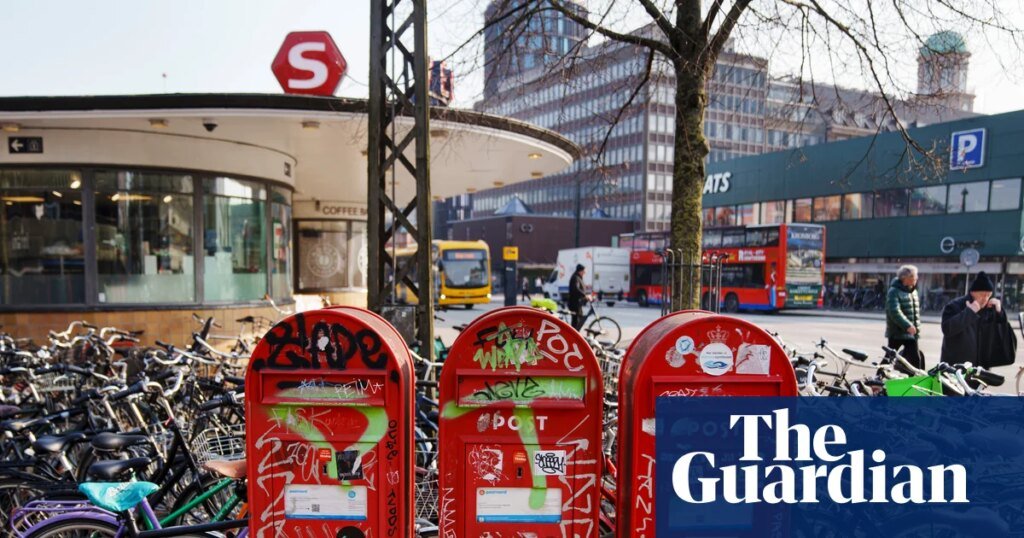
As of December 30, Denmark’s postal service will officially deliver its final letter, marking the end of a tradition that has spanned over 400 years. With a significant shift toward digital communication, PostNord—formed from the merger of Swedish and Danish postal services in 2009—has announced its decision to cease letter deliveries. This change comes alongside plans to cut 1,500 jobs in Denmark and remove many iconic red postboxes across the country.
A Shift Towards Digital Communication
PostNord highlighted that Denmark is among the most digitalized nations globally, resulting in a dramatic decrease in the demand for physical letters. In contrast, the rise of online shopping has encouraged the company to pivot its focus from letter delivery to parcel services. The move comes as no surprise, considering the postal service has witnessed a staggering 90% decline in letter sending over the past 25 years.
Postbox Auction and Future of Letter Sending
Earlier this month, the company put its distinctive red postboxes up for sale, and within just three hours, 1,000 of them were purchased, priced at 2,000 DKK (£235) for those in good condition and 1,500 DKK (£176) for the more worn ones. An additional 200 postboxes are set to be auctioned off in January. While PostNord will maintain its letter delivery services in Sweden, they will be reimbursing unused Danish stamps for a limited time.
Alternative Letter Delivery Services
Starting January 1, Danes will still have the option to send letters through the company Dao, which has been operating letter deliveries and plans to expand from around 30 million letters in 2025 to 80 million next year. However, this means that customers will need to visit a Dao location to send their letters or pay an extra fee for collection services at home. Payment for postage can be done online or via an app.
Shifts in Letter-Writing Trends
Despite the overall decline in letter writing, recent trends suggest a resurgence among younger demographics. Research from Dao reveals that individuals aged 18 to 34 are sending two to three times more letters than older generations. Trend researcher Mads Arlien-Søborg attributes this resurgence to a desire among young people for a tangible connection amidst digital saturation.
Legal and Practical Implications
According to Danish law, the option to send a letter must remain available. If Dao ceases letter deliveries, the government would need to appoint another provider. A source from the transport ministry has indicated that there will no practical differences come January; people will still be able to send and receive letters but through a different service. Nevertheless, some feel there’s a finality to the situation. Magnus Restofte, director of the Enigma museum in Copenhagen, remarked that reverting to traditional mail in an increasingly digital society would be quite challenging.
The Role of Digital Communication
Under the MitID scheme—Denmark’s national digital ID system—official communications are predominantly sent through “digital post,” relegating physical mail to an option that very few citizens choose to avail. Currently, 97% of the Danish population aged 15 and over is enrolled in MitID, with only 5% opting out of digital mail services.
Changing Perceptions of Physical Letters
As the occurrence of physical letters dwindles, their significance appears to be increasing. Restofte pointed out that receiving a handwritten letter now feels special to many, reflecting the effort and resources invested in crafting it. Kim Pedersen, deputy chief executive of PostNord Denmark, encapsulated the bittersweet nature of this change, stating, “We have been the Danish postal service for 400 years… the letter market is no longer profitable.”
Conclusion
The transition from postal letters to digital communications signals a fundamental shift in how people connect and communicate. While this change poses challenges, it also reflects a broader trend toward modernization and digital interaction in everyday life.
Key Takeaways
- The last letter delivery by Denmark’s postal service occurs on December 30.
- PostNord will focus on parcel deliveries as letter demand decreases.
- Younger generations are showing a renewed interest in letter writing.
- Danish citizens will still be able to send letters via the company Dao starting in January.