
Advancements in Alzheimer’s Research
Every three seconds, a new case of dementia is reported globally, resulting in approximately 55 million individuals currently affected by this condition. According to Alzheimer’s Disease International (ADI), this number is expected to rise to 78 million by 2030. The majority, about 70%, suffer from Alzheimer’s disease (AD), the most prevalent form of dementia. This progressive brain disorder gradually erodes memory, cognitive functions, and ultimately, the ability to perform simple tasks. Alarmingly, it has now become the seventh leading cause of death worldwide, as noted by the World Health Organization. While lifestyle changes and various medications can ease symptoms, there remains no definitive cure. Nevertheless, recent years have witnessed promising discoveries in terms of new treatments and improved diagnostic techniques for Alzheimer’s. In this article, we delve into four significant advancements made in 2025.
1. A Blood Test for Diagnosing Alzheimer’s Disease
Alzheimer’s disease is linked to the accumulation of two harmful proteins (beta-amyloid and tau) in the brain, which may accumulate up to 20 years prior to the onset of symptoms. Traditionally, the only way to confirm Alzheimer’s was through positron emission tomography (PET) scans or lumbar punctures to extract cerebrospinal fluid—procedures that aren’t included in routine diagnostic practices and are seldom performed on patients.
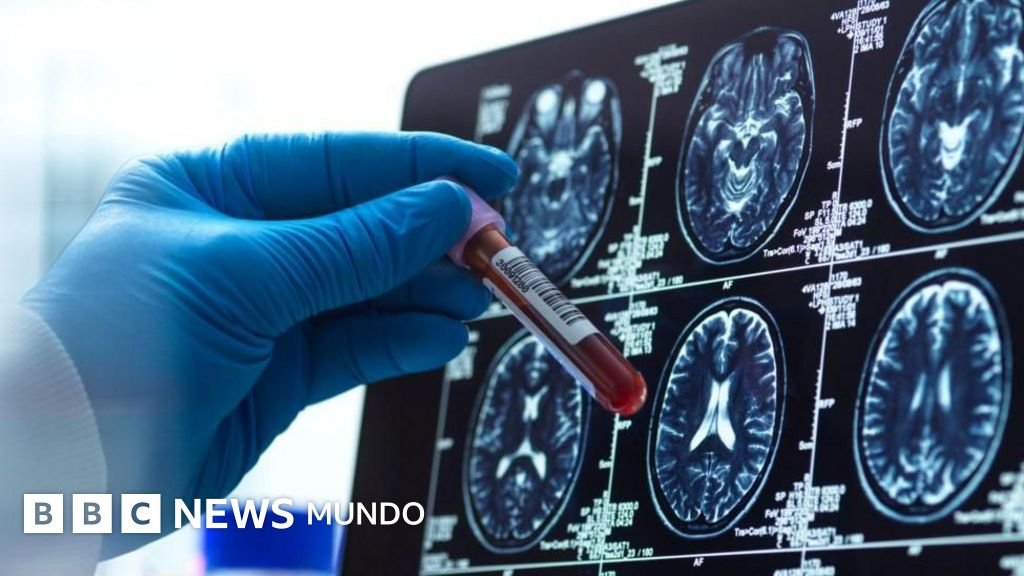
In May, the FDA approved the first blood test, known as Lumipulse, capable of detecting early-stage Alzheimer’s. This test measures the presence of these proteins and can identify changes in the blood before patients exhibit memory issues. Clinical trials have shown the test accurately identifies biomarkers in over 91% of cases. Dr. Diego Aguilar, regional director for the Americas at ADI, describes it as a “revolution in diagnostic measures.” He explains that the current rate of underdiagnosis is alarming, making the ability to obtain a blood-based diagnosis through biomarkers incredibly significant.
2. A Vaccine to Prevent Alzheimer’s Disease
This year has seen encouraging research into the potential protective effects of vaccines against Alzheimer’s disease. While new immunizations tailored for Alzheimer’s are under development, researchers are also exploring whether existing vaccines might help in preventing dementia.
One promising candidate is the shingles vaccine. A large-scale study conducted in Wales and published in April in the journal Nature revealed that this vaccine not only appears to reduce new dementia diagnoses by 20%, but also assists those already suffering from the disease by delaying the onset of symptoms. Shingles, caused by the reactivation of the chickenpox virus, can remain dormant in the nervous system, triggering complications years later. According to Dr. Pascal Geldsetzer, who led the study, one in every five dementia cases could potentially be avoided among vaccinated individuals. This intervention is particularly appealing as it requires only a single administration, negating the need for long-term adherence to complex programs. Furthermore, the vaccine is safe and helps prevent shingles, creating a dual benefit for recipients. The underlying mechanisms are still being explored, but it’s believed that the vaccine may mitigate inflammation in the nervous system—a critical factor in neurodegenerative diseases. If validated, these findings could provide accessible preventive measures against Alzheimer’s and other forms of dementia.
3. AI for Detecting Alzheimer’s Disease
Numerous teams of researchers worldwide are investigating the use of artificial intelligence (AI) to detect Alzheimer’s more swiftly and accurately. Early detection is crucial as it allows for intervention in the initial stages, significantly impacting disease progression or minimizing its effects. This year, researchers from the Mayo Clinic in the U.S. developed an AI tool that aids healthcare professionals in recognizing brain activity patterns linked to nine types of dementia, including Alzheimer’s.
Dubbed StateViewer, this tool identifies distinctive brain activity patterns through PET scanning. A study published in June in the journal Neurology highlighted that StateViewer successfully identified Alzheimer’s in 88% of cases and processed scans nearly twice as fast with up to three times more accuracy than standard testing methods.
4. Improved Treatments and Diagnostics in Developing Countries
According to ADI, of the 55 million individuals affected by dementia globally, 60% reside in low- and middle-income nations. The availability of treatment options and diagnostic tools in these areas is often prohibitively expensive and scarce. Recently, two drugs—Donanemab and Lecanemab—have been celebrated as heralding a “new era” in Alzheimer’s treatment, capable of modifying the disease by blocking the formation of harmful protein plaques in the brain and slowing cognitive decline. However, the cost for these treatments in the U.S. is approximately $30,000 annually per patient.
Currently, around 180 clinical trials for Alzheimer’s and dementia medications are ongoing globally, raising concerns about whether these treatments will remain financially out of reach for lower-income populations. Dr. Aguilar emphasizes that equity in access to advancements must be a priority, urging governments, the industry, and civil society to collaborate in ensuring the accessibility of these medical breakthroughs.
Fortunately, various initiatives in the region aim to make treatments and diagnostics more accessible. One such project is ReD-Lat, a consortium of organizations across Latin America focused on expanding research about dementia. Dr. Agustín Ibáñez, the director of ReD-Lat, elaborates that the project aspires to create diagnostic tools tailored for the region while exploring new treatment avenues. This strategy ensures that diagnostic and therapeutic advancements are adapted, validated, and personalized for the Latin American population, ultimately making scientific advancements equitably accessible.
Countries in Latin America have also started implementing national dementia plans to establish frameworks for access to diagnostics, treatments, and patient support. Dr. Aguilar concludes by affirming that public policy is vital in achieving equity and constructing a hopeful future for affected populations.
Conclusion
The strides made in Alzheimer’s research and treatment offer hope not only for improved diagnostics but also for preventive measures and equitable access to care. The continuous pursuit of understanding and tackling Alzheimer’s disease signals a promising future for millions affected by this condition.
- Every three seconds, a new Alzheimer’s case is diagnosed worldwide.
- A groundbreaking blood test now allows for early detection of the disease.
- Research into vaccines is revealing promising preventive strategies against Alzheimer’s.
- AI tools are improving the accuracy of Alzheimer’s detection and diagnosis.