
Challenges Ahead: The Ongoing Situation in Gaza
In recent months, the conflict in Gaza has taken a bleak turn, with the death toll surpassing 70,000 individuals over two years. This article delves into the fragile ceasefire agreement between Israel and Hamas, the critical decisions faced by both parties, and the complexities surrounding the governance of Gaza moving forward.
The Ceasefire Agreement: Current Status
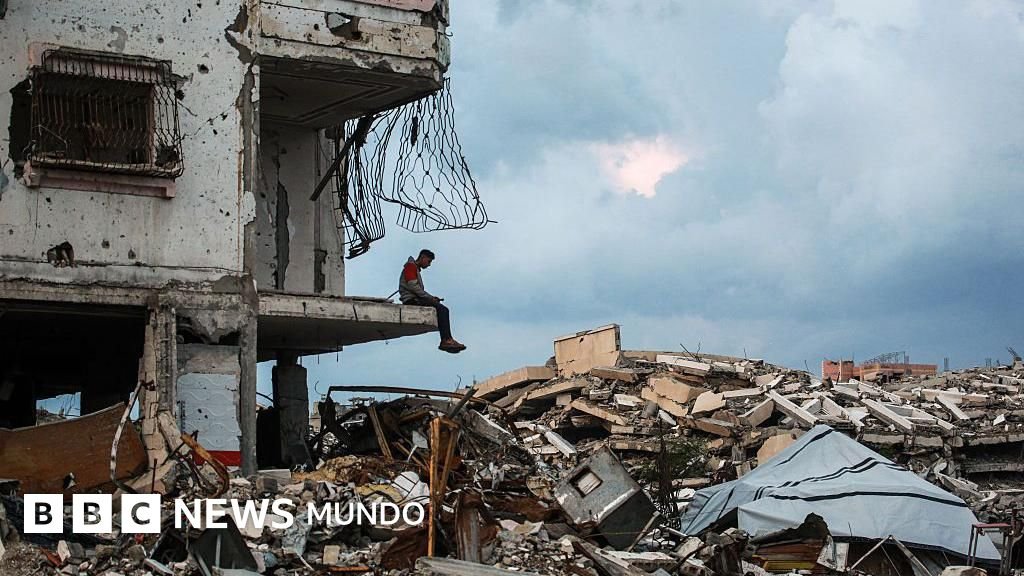
Back in October, Israel and Hamas reached the initial phase of a ceasefire, backed by the United States, which raised hopes for a resolution to the ongoing violence in the region. However, two months later, Gaza remains in a precarious state, divided and its people living amidst devastation.
Upcoming Decisions for Hamas and Israel
As the situation evolves, both Hamas and Israel are confronting significant choices under the proposed second phase of the ceasefire, originally suggested by U.S. President Donald Trump. Hamas is expected to hand over its weapons, while Israel would need to withdraw its troops and transfer security responsibilities to an international force. Additionally, establishing a governing body for Gaza presents yet another challenge, compounded by the need to locate the last remaining hostage, Ran Gvili.
Lost and Found: The Search for Hostage Ran Gvili
Ran Gvili, an Israeli police officer, was abducted by Hamas during their assault on October 7, 2023. Despite exhaustive searches through the ruins in Gaza, Hamas reports no progress in finding him. Israeli Prime Minister Benjamin Netanyahu insists that Hamas must return all hostages—alive or dead—before any further progression in the ceasefire agreement can occur.
Gvili’s parents, Talik and Itzik, have been told that their son did not survive. “They stole our son; they are trying to hide him,” his mother expressed, echoing the sentiments of frustration and despair felt by many families in similar situations.
U.S. Pressure and the Path Forward
As the U.S. pushes for the next steps in the ceasefire agreement, former Israeli hostage negotiator Gershon Baskin warns that Israel may have limited options to delay further actions. He emphasizes the urgency, stating that the current situation cannot be utilized as an excuse to stall progress.
The Challenge of Disarming Hamas
One of the most substantial hurdles in advancing the ceasefire is the disarmament of Hamas in a manner acceptable to both sides. Turkey has sought to join the proposed International Stabilization Force (ISF) tasked with this responsibility, but Netanyahu has firmly opposed this, with U.S. backing. As of now, no country has formally agreed to join the ISF.
Baskin suggests that while Hamas might agree to “store their weapons” and potentially hand them over to a Palestinian government or third party, direct cooperation with Israel or the U.S. remains unlikely. He further notes that disarming Hamas is closely connected to Israel’s complete withdrawal from Gaza, a challenge complicated by ongoing Israeli military presence in the region.
Deployment and Withdrawal of Israeli Forces
Israel currently exerts control over approximately 53% of the Gaza Strip. The initial phase of the ceasefire allowed for a partial troop withdrawal, while the second phase necessitates mutual agreements on troop re-deployment and international oversight mechanisms. These discussions hold immense significance, as they directly impact Israeli security and the future status of territories like the Philadelphia Corridor, adjacent to the Gaza-Egypt border.
General Israel Ziv, a former military official, highlights the hesitation from both Hamas and Israel to hasten towards the second phase, reflecting a desire to maintain strategic positions. “Time is running out,” he states, emphasizing that delay is allowing Hamas to regroup.
The Future of Governance in Gaza
Creating a transitional governing body for Gaza stands as an additional obstacle. While the plan suggests forming a technocratic Palestinian government that is independent of both Hamas and the Palestinian Authority (PA), Israel is wary of any involvement from these bodies, fearing it might empower Hamas or revive PA influence in Gaza.
Netanyahu’s administration is resistant to any PA participation, instead advocating for a neutral entity to govern. Concerns persist that moving into the second phase could signal the start of a real Palestinian state alongside Israel.
Key Discussions Ahead: Netanyahu and Trump
Critical discussions are set to take place between Netanyahu and President Trump in Florida at the end of this month. Trump, who facilitated the ceasefire negotiations, is expected to unveil the newly established Gaza Peace Board early next year. Netanyahu will likely focus on disarming Hamas, preventing their involvement in governance, and securing Israeli military presence in buffer zones, while Trump may push for Israel to adhere strictly to the ceasefire conditions.
Conclusion
The ongoing conflict in Gaza presents multifaceted challenges that need addressing for a sustainable resolution. The future remains uncertain, with significant decisions looming on governance, disarmament, and the status of hostages.
- The death toll in Gaza has tragically exceeded 70,000 individuals.
- Both sides face tough decisions regarding disarmament and troop withdrawals.
- The search for hostage Ran Gvili continues amidst immense family anguish.
- Governance in Gaza remains a contentious topic, impacting future negotiations.