
U.S. Navy Announces Naval Blockade on Iran
The recent announcement from the U.S. Navy about implementing a blockade on all maritime traffic entering or leaving Iranian ports marks a significant escalation in tensions in the region. Following unsuccessful negotiations aimed at resolving the ongoing conflict, this development has raised important questions about maritime security in the Strait of Hormuz, a vital waterway controlled by Iran. This article delves into the implications of this blockade, the statements made by officials, and its potential impact on global shipping and oil prices.
The Blockade Overview
Starting Monday, the U.S. military will enforce a blockade that affects all vessels traveling to or from Iranian ports. However, passage through the Strait of Hormuz will remain open for ships heading to and from other destinations. This decision follows a breakdown in negotiations that began on February 28, aimed at concluding hostilities between the U.S. and Iran.
Statements from U.S. Officials
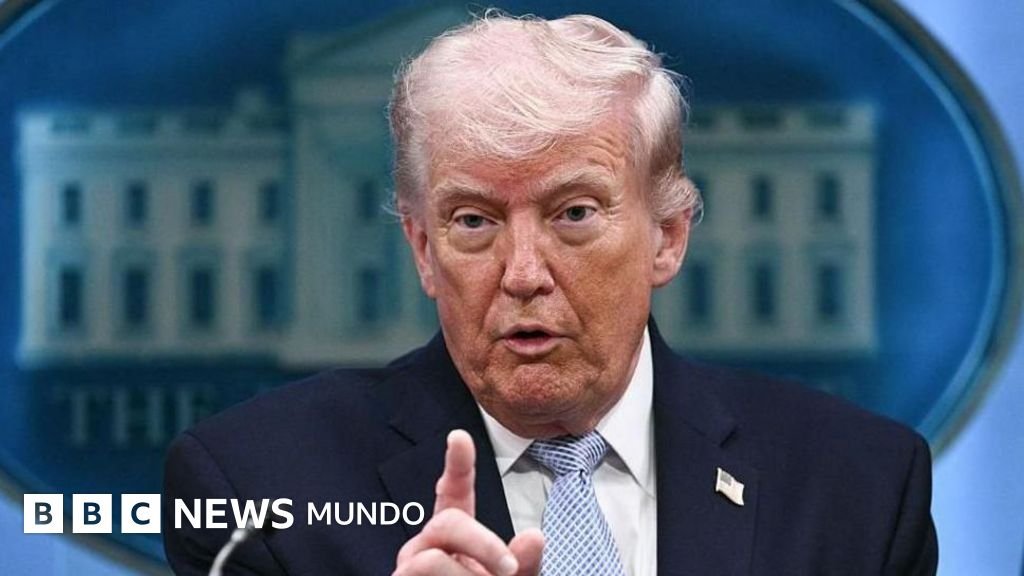
President Donald Trump stated on Truth Social that the U.S. intends to “BLOCK every single ship trying to enter or exit the Strait of Hormuz.” He also instructed the Navy to target any vessels that have made payments to Iran, asserting that no ship violating international norms will be guaranteed safe passage at sea.
In a further escalation, he claimed they would destroy mines allegedly placed by Iran in the Strait, emphasizing that any threats towards U.S. vessels or peaceful ships would be met with significant retaliation.
Implementation of the Blockade
The U.S. Navy’s maritime operations manual from 2022 defines a blockade as a military operation intended to prevent all vessels from entering or leaving enemy-controlled ports. Trump indicated that the Navy would act swiftly, stating that while immediate enforcement would take time, effective measures would come soon.
According to U.S. Central Command (Centcom), this blockade will be enforced uniformly against vessels from all nations, including those from Iran. Importantly, ships traveling to non-Iranian ports will not be hindered, and Centcom plans to disseminate information formally to commercial seafarers before the blockade takes place.
International Cooperation
Trump noted that other nations would participate in the blockade, although specific contributions from allied states, such as the UK, were not detailed. He mentioned that NATO has offered assistance in clearing the Strait, which he believes will soon see a return to free navigation.
In contrast, British Prime Minister Keir Starmer affirmed their commitment to maintaining free passage through the Strait of Hormuz, citing its critical importance for the global economy. He emphasized that the Strait should not be subject to tolls and that the UK was collaborating with allies to form a coalition aimed at protecting maritime freedom.
Legal and Economic Considerations
Legal experts have raised concerns that the blockade may contravene maritime law and could potentially violate the existing ceasefire agreement. This blockade also aims to strangle Iran’s revenue stream, which has been substantial from shipping through this critical corridor.
Trump reiterated his administration’s intention to disrupt Iran’s ability to profit from oil sales, particularly by targeting those who comply with Iranian toll demands.
Potential Maritime Impacts
Shortly after the announcement, maritime expert Lars Jensen stated that the blockade might only affect a limited number of vessels as most shipping companies would prefer to wait and see whether a peace agreement is upheld before increasing traffic through the Strait. The initial threat of military intervention may not dramatically alter shipping behaviors due to the already cautious nature of maritime operations in the region.
Current Situation in the Strait of Hormuz
The temporary ceasefire prompted the need for safe passage through the Strait, but actual movement of vessels has been exceedingly low. Reports indicated only 19 ships traversed the area since the ceasefire commenced, starkly contrasting with pre-war levels of surrounding 138 vessels daily.
As the situation develops, only time will reveal the true impact of the blockade on shipping routes and global oil prices. For now, caution prevails among maritime operators.
Conclusion
The U.S. military’s announcement of a blockade on Iranian maritime traffic underscores the ongoing tensions between the U.S. and Iran. While the blockade aims to enforce compliance and limit economic gains for Iran, the broader implications for international shipping and oil prices remain unclear as countries navigate this heightened state of conflict.
- The U.S. Navy will implement a blockade on all maritime traffic to and from Iranian ports, effective Monday.
- Trump has vowed to target any vessels paying tolls to Iran and warned of severe repercussions for hostile actions.
- International cooperation in enforcing the blockade is expected, although specific details from allies remain vague.
- Legal experts warn that this blockade could conflict with maritime law and existing ceasefire agreements.