
The Impact of Trump’s Immigration Policies on Honduran Migrants
For many Hondurans, the dream of moving to the United States has become increasingly complicated due to the ongoing chaos surrounding immigration policies. This article looks into the decisions of migrants like Elías Padilla, who are reconsidering their plans amidst the controversial immigration stance of Donald Trump.
Elías Padilla’s Journey
For over a year, Elías Padilla had been saving money with hopes of traveling from Honduras to the United States as an undocumented immigrant. Working as an Uber driver in the bustling streets of Tegucigalpa, he faced challenges in saving funds. On particularly rough days, he barely earns $12 for a staggering 12-hour shift.
Plans on Hold
Currently, Elías has decided to delay his plans. The alarming images of undocumented migrants being apprehended by the Immigration and Customs Enforcement (ICE) in major U.S. cities have made him rethink his decision. “I want to improve my living conditions because our income here is very low,” Elías shared during our drive through the city. “For instance, an Uber driver in the U.S. can make in one hour what I earn in an entire day,” he added.
A Change in Perspective
Like many Honduran migrants, Elías dreams of sending remittances back home. But he admitted, “Seeing what Trump is doing has made me think twice. I’ll wait and see what changes come with the new government. I hope things improve,” he said, referring to the recent presidential elections in Honduras.
Trump’s Immigration Policies and Their Effects
The shift in Elías’s intentions is certainly music to the ears of those crafting Trump’s immigration policies, including senior officials like Tom Homan and Stephen Miller. The numerous operations by ICE aimed at deporting undocumented immigrants from cities like Los Angeles, Chicago, Charlotte, and Minneapolis are meant to deter individuals from taking the perilous route north.
Unexpected Economic Impact
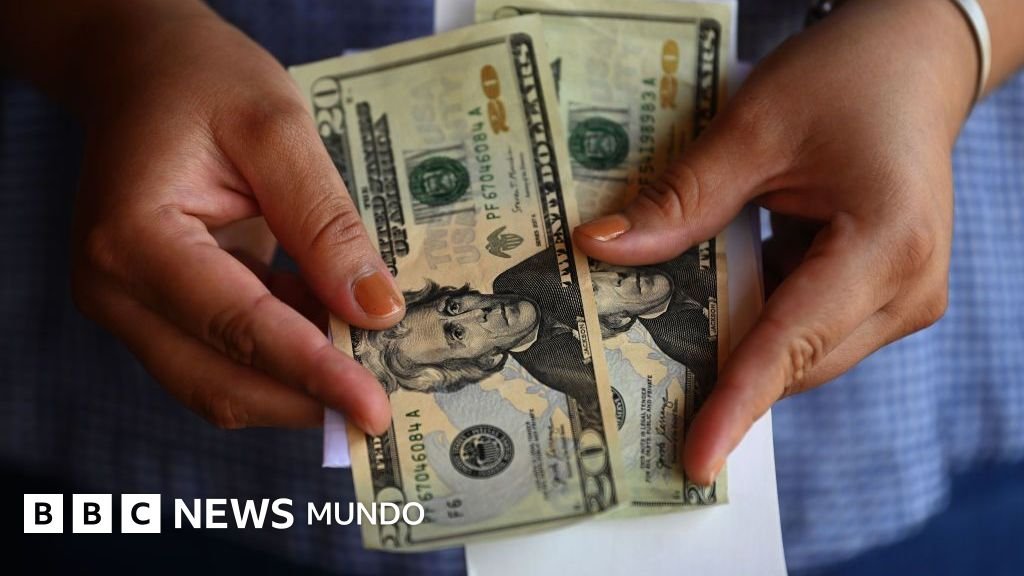
While these policies have led to heightened fear among potential immigrants, they have surprisingly spurred an increase in remittances to the Honduran economy. Undocumented Hondurans quietly living in these cities have been sending more money home than ever before. Between January and October of this year, there was a 26% increase in remittances compared to the same period last year. Despite a decline in their numbers in the U.S., Hondurans have increased the amount sent home from $9.7 billion in 2024 to over $10.1 billion in just the first nine months of this year.
Voices from the Ground
One such individual, an undocumented construction worker named Marcos (a pseudonym), shared insights on his remittance practices. Living in a major U.S. city for five years, he explained, “Most of the money I send home is for my family’s basic needs, like food. But I also want to help them save for a small plot of land to build a house or even buy a car.”
“It feels like a race against time to send as much as possible before I might get caught in an ICE raid.” – Marcos
The Toll on Human Trafficking
However, Trump’s policies aren’t only affecting the formal economy through remittances. The illegal economy, particularly human trafficking, is also deeply impacted. Jimmy, a former coyote (human trafficker), revealed that the costs have skyrocketed, with prices for passage to the U.S. doubling from around $12,000 to $30,000 per person. “But people are still trying to cross. With the Biden administration’s CBP One app, it was much more accessible, but maybe 40% are still succeeding,” he noted.
Facing Reality
Many, like Elías, are finding it increasingly difficult to justify the financial risks involved in attempting migration. Despite his efforts over the years to save enough for migration, he feels the pressure of potential deportation hanging over his head. Ultimately, he believes the current political climate has only delayed his plans rather than permanently derailing them. “Trump hasn’t canceled my plans; he’s just postponed them,” Elías concluded.
Conclusion
The struggle for Honduran migrants continues as they navigate the realities of U.S. immigration policies. While the fear of deportation looms large, the desire to improve their living conditions and support their families drives many to persist. The situation remains fluid, with hopes pinned on potential changes in leadership and policies that might allow a safer path for migrants in the future.
Key Takeaways
- Honduran migrants like Elías Padilla are reconsidering their plans to move to the U.S. due to Trump’s immigration policies.
- Despite fears, remittances to Honduras have increased significantly in recent years.
- The rising costs of crossing into the U.S. have made human trafficking a complicated issue.
- Many migrants remain hopeful that political changes could offer them better opportunities in the future.