
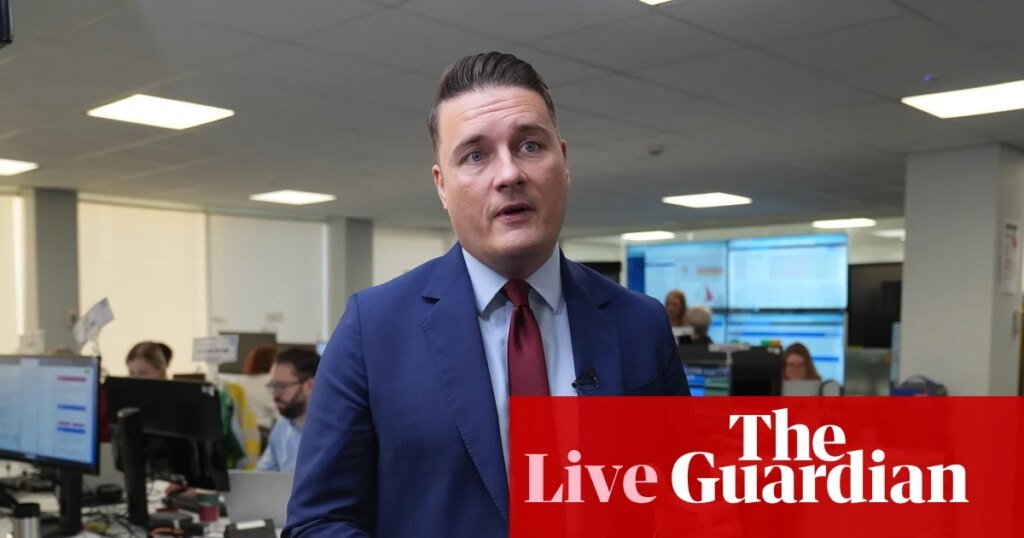
Wes Streeting Addresses Commons Health Committee Amid Ongoing Strikes
In today’s session, Health Secretary Wes Streeting is providing testimony to the Commons Health Committee, shedding light on the current state of NHS strike actions, particularly regarding resident doctors. The hearing also delves into various other crucial topics affecting the health sector.
Overview of the Hearing
The committee chair, Layla Moran, opened the session with a commitment to discuss the resident doctors’ strike, yet opted to explore additional issues initially. The current state of healthcare and the implications of the ongoing strikes were front and center as Streeting faced questions from committee members.
Strikes in Focus
During the conversation, Labour MP Alex McIntyre highlighted the longstanding strike by phlebotomists in Gloucestershire. Streeting acknowledged the complexities of the dispute, noting that “no one has covered themselves in glory” during the negotiations. He shared that meaningful discussions are currently happening between Unison and NHS representatives, expressing hope for a swift resolution. Streeting also identified himself as a member of Unison, which adds personal context to his comments.
Apology to Patients
Addressing the media before his testimony, Streeting expressed regret to patients affected by the ongoing strike actions of resident doctors in England. He remarked:
“We did everything we could to avert these strikes and to stop them from happening. When we assumed office, we recognized the concerns regarding pay raised by resident doctors, which led to a significant 28.9% pay increase. We are open to discussing future arrangements with them. It is unfortunate that this is taking place during an extremely challenging time for the NHS, and I apologize to patients for the ensuing disruption.”
UK Inflation Update
In related news, UK inflation rates have significantly decreased to 3.2%, attributed to a decline in food prices. This drop is anticipated to influence the Bank of England’s decisions regarding interest rates in the upcoming days.
Political Landscape Changes in Wales
A recent YouGov poll has indicated that Labour’s support in the next Senedd elections could plummet to 10%, with Plaid Cymru poised to secure a majority of the seats. This trend marks a substantial shift in Welsh politics, mirroring broader national patterns while highlighting Plaid’s rising influence.
Implications of the Poll
Commentators have analyzed the potential electoral outcomes, with significant implications for Labour, which has dominated Welsh politics since the inception of the Welsh Assembly in 1999. As these trends unfold, we may see unprecedented political collaborations necessary to achieve a governing majority.
Responses from Political Figures
Following the poll results, Plaid Cymru emphasized the need for change in Wales, asserting that the public’s dissatisfaction with Labour reflects a desire for fair governance and renewed ambition. Meanwhile, Welsh Labour remains focused on addressing local issues and restoring public trust prior to the elections.
Looking Ahead
The day’s agenda also includes announcements regarding the UK’s rejoining of the EU’s Erasmus program, a move welcomed by opposition parties who see it as a step towards strengthening international relations. The government’s forthcoming confirmation may signal a shift in post-Brexit policy direction.
Conclusion
The discussions in today’s hearing reflect the ongoing challenges facing the NHS and the political landscape in Wales. As various stakeholders navigate these pressing issues, the outcomes will undoubtedly shape the future of healthcare and governance in the UK.
Key Takeaways
- Wes Streeting acknowledges the complexities of the NHS strikes, expressing regret for patient disruptions.
- UK inflation has decreased to 3.2%, potentially influencing upcoming interest rate decisions.
- Labour’s support in Wales appears to be declining sharply, raising questions about future governance.
- The UK is set to rejoin the Erasmus program, reflecting a shift toward improved international relations.