
Tensions Rise along the Tajikistan-Afghanistan Border
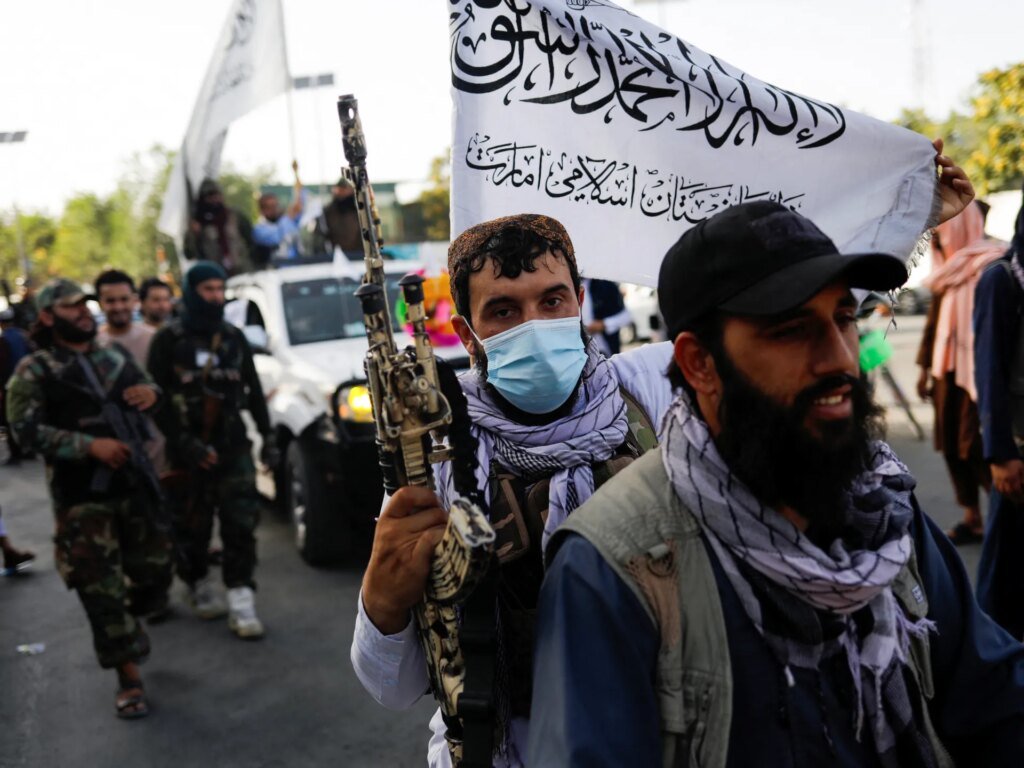
Recent developments along the Tajikistan-Afghanistan border are creating alarm in Central Asia, with increased armed incursions reported by the Tajik government. This situation, marked by casualties including Chinese nationals, is complicating the already delicate relationship with the Taliban authorities in Afghanistan. This article delves into the ongoing clashes, their implications, and the broader geopolitical context.
Overview of the Situation
The border between Tajikistan and Afghanistan stretches along the Panj River through rugged and remote mountains. On a recent Thursday, Iran’s State Committee for National Security reported that three individuals from a terrorist organization had illegally crossed into Tajik territory. In the ensuing confrontation, five individuals—including the three insurgents—lost their lives. Tajik officials have yet to publicly identify the attackers or their affiliations, but they seized a cache of weapons including rifles and explosives.
Tajik authorities have condemned these incidents as reflective of the Taliban’s inability to maintain security along the border, urging them to take responsibility for ensuring safety and border integrity. Critics emphasize that these ongoing assaults jeopardize the Taliban’s credibility and ability to govern.
Border Incursions and Their Consequences
These violations are not isolated; recent weeks have seen multiple attacks originating from Afghanistan’s Badakhshan province, significantly impacting Tajikistan’s security landscape. Incidents have particularly targeted Chinese enterprises operating within Tajikistan, indicating a potential trend aimed at foreign workers and investments, particularly from China.
China’s Role in Regional Stability
As Tajikistan’s largest creditor and a key economic ally, China has substantial stakes in the region’s stability. Two violent incidents involving Chinese firms heightened concerns, as drone attacks and armed assaults claimed the lives of several Chinese nationals. In light of these developments, China promptly requested Tajikistan to enhance security measures for its citizens and businesses.
The Nature of the Attacks
While the identities of the attackers remain unknown, analysts suggest that the strikes bear the characteristics of the Islamic State’s Khorasan Province (ISKP). This group aims to undermine the Taliban’s image as a reliable authority capable of maintaining order and security, which is vital for diplomatic relations with neighboring countries.
The Taliban’s Reaction
In response to these incidents, the Taliban expressed sorrow over the casualties involving Chinese workers and attributed the violence to unknown armed factions aiming to incite chaos. The Taliban’s interior minister reaffirmed their commitment to existing agreements and reiterated that Afghanistan poses no threat to its neighbors.
Challenges and Relations with Tajikistan
The historical relationship between Tajikistan and the Taliban has been fraught with conflict and mistrust. Despite a new willingness to engage diplomatically, mutual accusations regarding harboring terrorists and narcotics trafficking continue to strain ties. The complex security dynamics in Badakhshan, including the Taliban’s crackdown on poppy cultivation, add another layer of difficulty to relations.
Regional Diplomacy and Neighboring Relations
Since regaining control in 2021, the Taliban has navigated a mixed bag of relationships with neighboring countries. While some nations maintain cooperative dialogues, relations with Pakistan have particularly soured due to cross-border militant activity. In contrast, the Taliban is seeking improved ties with India, indicating a shift in regional alliances.
Conclusion
The escalating tensions along the Tajikistan-Afghanistan border spotlight the fragile security situation in Central Asia. The ongoing skirmishes underscore not only the Taliban’s struggles with internal and external challenges but also the intricate web of geopolitical interests at play in the region.
Key Takeaways:
- Armed incursions along the Tajikistan-Afghanistan border are raising security concerns, particularly involving Chinese nationals.
- The Taliban’s ability to maintain order is increasingly questioned following repeated attacks attributed to terrorist groups.
- China plays a significant role in Tajikistan’s economy, making regional stability critical for its investments.
- The evolving relationships between the Taliban and its neighboring countries illustrate shifting alliances and ongoing geopolitical complexities.