
Bulgaria Joins the Eurozone: A New Chapter Ahead
Bulgaria is set to officially become the 21st member of the eurozone on Thursday, a move that has sparked a mix of optimism and skepticism among its citizens. Since joining the European Union in 2007, the country has been on a long journey towards euro adoption. Now, despite concerns about potential inflation and economic challenges, Bulgaria is poised to make this significant transition to the euro.
Understanding Bulgaria’s Path to the Eurozone
A Long-Awaited Decision
Bulgaria, home to approximately 6.7 million residents, joined the EU over 15 years ago with hopes of eventually adopting the euro. However, a series of political instabilities and corruption allegations have delayed reforms necessary for eurozone entry. Only in January 2025 did the EU affirm Bulgaria’s readiness to meet the economic and legislative benchmarks required for this transition.
What Does Joining the Eurozone Mean?
This upcoming change will increase the number of euro users in Europe to 356 million and extend the euro’s geographical range to the Black Sea region. While many look forward to this integration, nervousness prevails among segments of the population regarding the impact on Bulgaria’s economy.
Concerns and Protests
Fears surrounding potential economic instability led to widespread protests in December against the government’s proposed budget plan. The ruling coalition felt the pressure and resigned amid mass demonstrations demanding broader governmental reforms. This political backdrop has fueled doubts about the euro’s adoption, with many citizens questioning whether Bulgaria is adequately prepared for this shift.
Euro Adoption Details
Economic Framework and Transition
The European Union has set a fixed conversion rate of 1 euro to 1.95583 Bulgarian lev (BGN), which Bulgaria has been pegged to since joining the European Exchange Rate Mechanism in 2020. Many economists suggest the transition may not be as drastic as feared, considering Bulgaria’s prior ties to the euro since 1999 when it pegged its currency to the German mark.
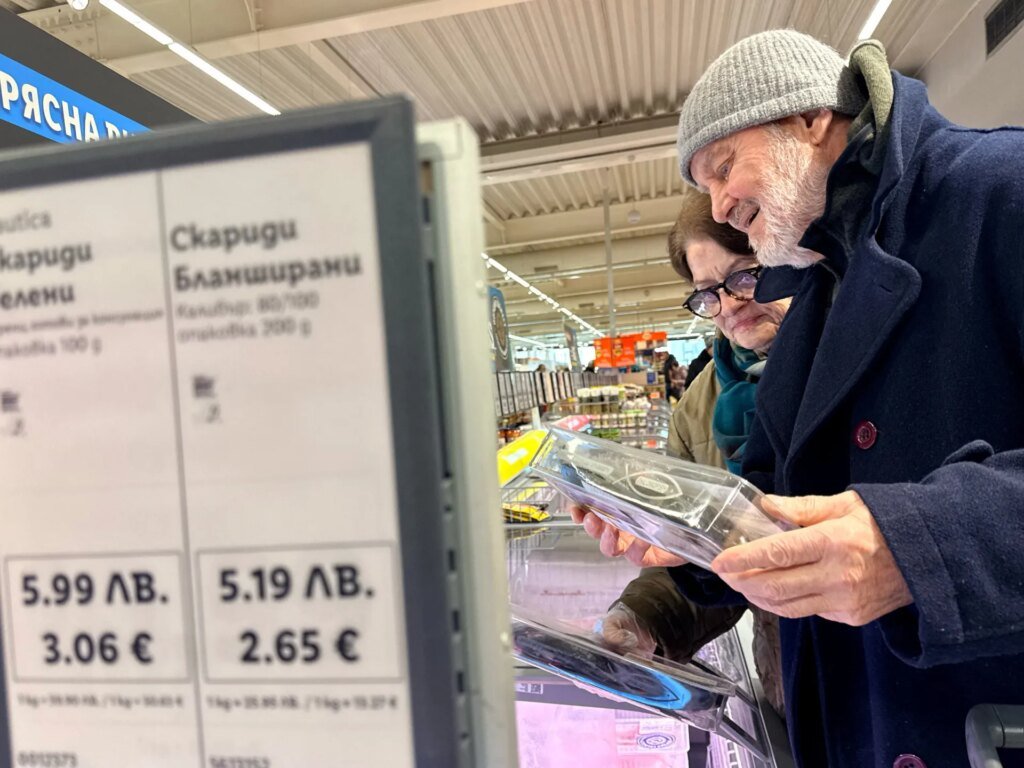
Importantly, businesses in Bulgaria will gain unrestricted access to the euro market, minimizing exchange risks. The transition will involve a dual pricing system in stores, allowing customers to view prices in both lev and euros until August 2026, with the lev remaining valid until January 31 of the following year.
Public Sentiment and Resistance
Opinions among Bulgarians are sharply divided regarding euro adoption. A survey in May 2025 revealed that 46.5% supported the euro while 46.8% were opposed. Concerns about rising prices and losing purchasing power loomed large among the opposition, particularly among residents of smaller towns and villages.
While some experts highlight that switching to the euro typically incurs only minor inflation—estimated at less than 1%—there’s a lingering apprehension about how this transition will play out in a country with a fragile political landscape.
Political Landscape and Future Outlook
Internal Tensions
Political chaos has characterized Bulgaria’s recent history, with seven parliamentary elections occurring in just four years. Many voters are wary of the current government’s ability to manage the transition effectively. The ruling coalition’s weakness and internal disagreements may obstruct a smooth transition to the euro.
Opposition Voices
Opposition parties are voicing fears about the loss of financial sovereignty, arguing that euro adoption would give too much power to the European Central Bank. These sentiments reflect a broader wave of euroscepticism rising across Europe, compounded by increasing support for far-right political factions.
Conclusion
As Bulgaria prepares to join the eurozone, the nation stands at a crossroads of economic integration and public skepticism. While the potential benefits of joining the euro are evident, such as easier trade and reduced currency risks, the concerns over inflation and loss of national identity cannot be dismissed. The coming days will reveal how Bulgaria navigates this significant change.
Key Takeaways
- Bulgaria will officially adopt the euro, becoming the 21st eurozone member.
- The conversion rate is set at 1 euro to 1.95583 lev.
- Public opinion is divided, with concerns about inflation and economic stability.
- The political climate remains unstable amid protests and demands for reform.