
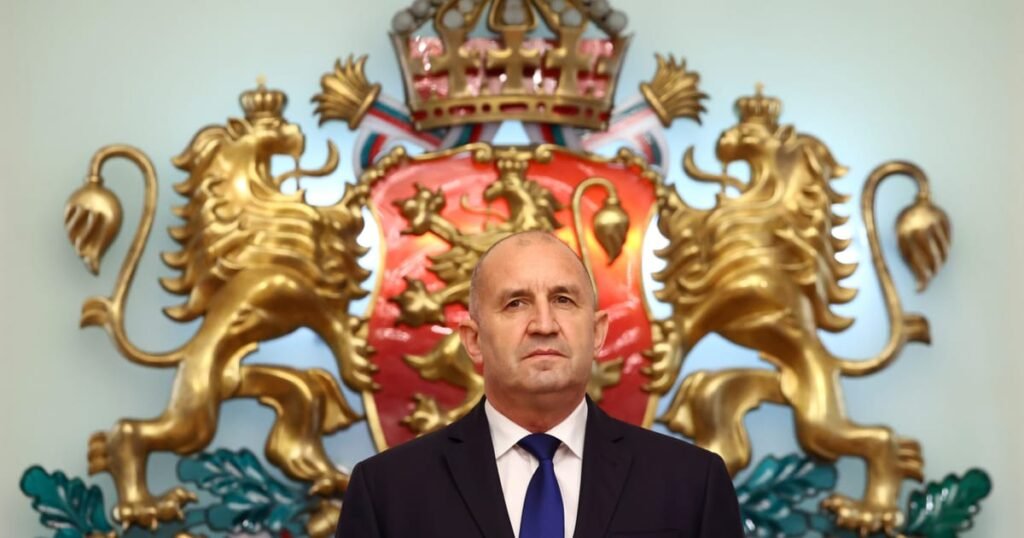
Bulgaria’s Shift to the Euro: What You Need to Know
In a significant step for the Bulgarian economy, Governor Dimitar Radev of the Bulgarian Central Bank has officially joined the European Central Bank (ECB) Governing Council. This marks an important milestone as Bulgaria integrates into the eurozone. ECB President Christine Lagarde expressed her enthusiasm, welcoming both Bulgaria and Governor Radev to the Council during her recent statement.
The Transition to Euros: What to Expect
While the transition is underway, residents will still have the option to use levs for about a month. However, all change received during this period will be in euros. Until the end of June, individuals can exchange their old currency at banks and post offices without incurring any fees, and they can continue to exchange levs indefinitely at the Bulgarian Central Bank.
Public Sentiment on the Euro
Despite the excitement surrounding this change, public opinion in Bulgaria appears divided. A Eurobarometer survey conducted in March revealed that 53% of the 1,017 Bulgarians surveyed were opposed to adopting the euro, while only 45% supported the move. Many citizens expressed concerns about the country’s readiness to make this transition, particularly fears regarding “abusive price setting during the changeover.”
Bulgaria’s EU Journey
Bulgaria officially became a member of the European Union on January 1, 2007. In a separate EU survey from May, it was noted that 58% of Bulgarians felt that the country has gained advantages from its EU membership, indicating a complex relationship with the idea of euro adoption.
Conclusion
The transition to the euro represents a pivotal moment in Bulgaria’s economic landscape. As the country prepares for this significant change, ongoing dialogue and public sentiment will play a vital role in shaping the future of Bulgaria within the eurozone.
Key Takeaways
- Dimitar Radev has joined the ECB Governing Council, marking Bulgaria’s entry into the eurozone.
- Currencies can be exchanged fee-free at banks and post offices until June 30.
- Public opinion is mixed, with concerns about price stability during the transition.
- Most Bulgarians acknowledge the benefits of EU membership, despite hesitations about the euro.