
EU-Mercosur Trade Deal Delay: What’s Next?
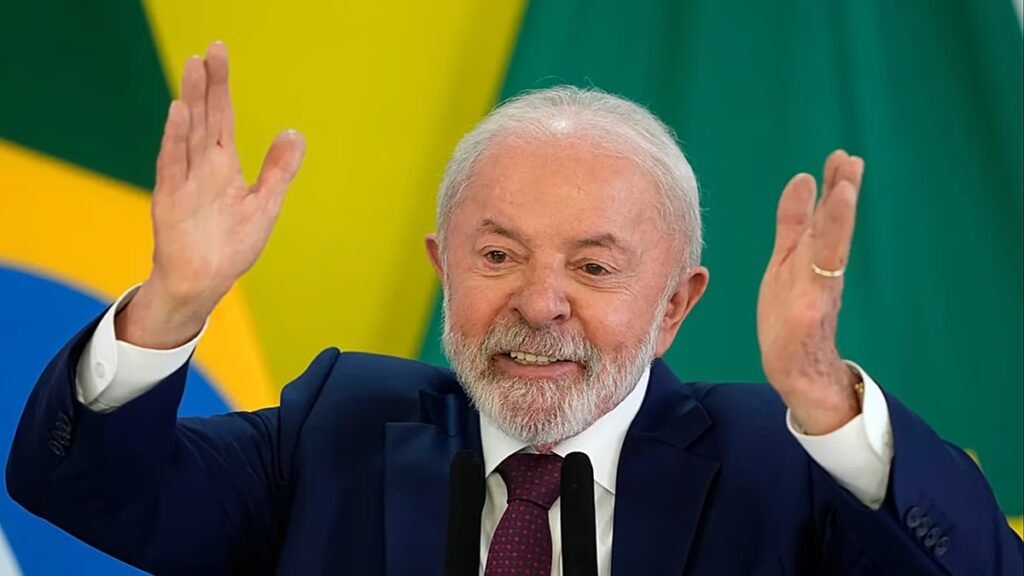
In a recent statement, Brazil’s President Luiz Inácio Lula da Silva expressed optimism regarding the long-awaited free-trade agreement between the South American trade bloc Mercosur and the European Union. Although tensions have delayed the signing, Lula hopes that an agreement can be finalized as soon as January.
The Current Situation
European Commission President Ursula von der Leyen had initially aimed to secure the EU-Mercosur deal during a meeting in Brazil this past weekend. However, after a challenging EU summit, she announced that the signing would be postponed for “a few extra weeks” to resolve ongoing concerns among member states.
Protests and Opposition
On Friday, protests by European farmers and the opposition from countries like France and Italy raised significant concerns about the trade agreement, which has been under negotiation for over 26 years. The agricultural sector fears that an influx of cheaper goods produced under more lenient environmental and agricultural standards in South American nations could overwhelm their market.
Statements from Lula
While addressing fellow South American leaders at a summit in Foz do Iguacu, located at the tripoint border with Argentina and Paraguay, Lula noted that the meeting was organized after European negotiators indicated a commitment to sign the deal, though that did not materialize. He highlighted that the request for more time came specifically from Italian Premier Giorgia Meloni.
The Path Forward
For the agreement to proceed, at least two-thirds of EU member states need to support it. However, Italy’s opposition could provide enough votes for France to veto the deal.
“Without political will and courage from leaders, it won’t be possible to finish a negotiation that has dragged for 26 years,” Lula said, referring to his recent discussions with Meloni and other EU leaders. He emphasized that Mercosur would continue to pursue partnerships even in the absence of an agreement.
Lula further remarked, “The world is eager to make deals with Mercosur. Many countries want that. And we certainly will finish the deals that were not completed during my presidency at the bloc, which concludes by the end of December.”
Potential Impact of the Trade Deal
If finalized, the trade agreement could unlock a market encompassing 780 million people and account for a quarter of the world’s gross domestic product. It aims to gradually eliminate tariffs on nearly all goods exchanged between the EU and Mercosur.
The deal would allow the European Union to more easily export vehicles, machinery, wines, and spirits to Latin America. In return, South American products like meat, sugar, rice, honey, and soybeans would gain easier access to European markets.
French Opposition
France has been one of the primary opponents to the EU-Mercosur agreement. President Emmanuel Macron stated during the EU summit that he could not promise support for the deal next month. He mentioned that he has been in dialogue with other EU leaders, including those from Italy, Poland, Belgium, Austria, and Ireland, regarding delay tactics to address farmer concerns.
Lula countered this assertion, stating, “Let’s hope that things happen for the good of our Mercosur, multilateralism, and the development of our countries.”
Conclusion
The EU-Mercosur trade deal continues to face significant obstacles, particularly due to opposition from key EU states. Despite the setbacks, leaders like Lula remain hopeful that the agreement can be finalized soon, recognizing both the challenges and the potential benefits it holds for economic collaboration between the blocs.
Key Takeaways
- Brazil’s Lula remains optimistic about finalizing the EU-Mercosur trade deal in January.
- Protests and opposition from France and Italy have delayed the signing of the agreement.
- The deal could significantly boost trade between the EU and South America, covering a large market.
- Continued dialogue among EU leaders is crucial for addressing concerns and moving forward.