
The Political Legacy of Khaleda Zia and the Future of the BNP
In a somber atmosphere on Tuesday, Evercare Hospital in Dhaka served as the site for a national outpouring of grief following the news of Khaleda Zia’s passing. A pivotal figure in Bangladeshi politics, Zia was a three-time prime minister and the long-standing leader of the Bangladesh Nationalist Party (BNP). Her health had been failing since she was hospitalized on November 23, and the news of her death resonated deeply within her supporters and citizens alike. Thousands gathered outside the hospital, visibly shaken, as they reflected on her profound impact on the nation.
A Nation in Mourning
Supporters and party members congregated silently at the gates of the hospital, many wiping away tears and offering prayers for their leader. “We couldn’t stay at home after hearing the news,” said BNP activist Riyadul Islam. “Everyone is here. There are tears in everyone’s eyes.” Khaleda Zia’s funeral, held at Manik Mia Avenue in Dhaka, attracted thousands from across the country, including leaders from various political factions, interim government officials, and international diplomats, highlighting the significant legacy she leaves behind.
A Pivotal Political Transition
While the nation mourns, Khaleda’s death signifies a crucial turning point for the BNP, especially with national elections set for February 12. The imminent elections present the party with a daunting challenge as they move forward without the figure who symbolized unity within the party amidst her extended absence from active politics.
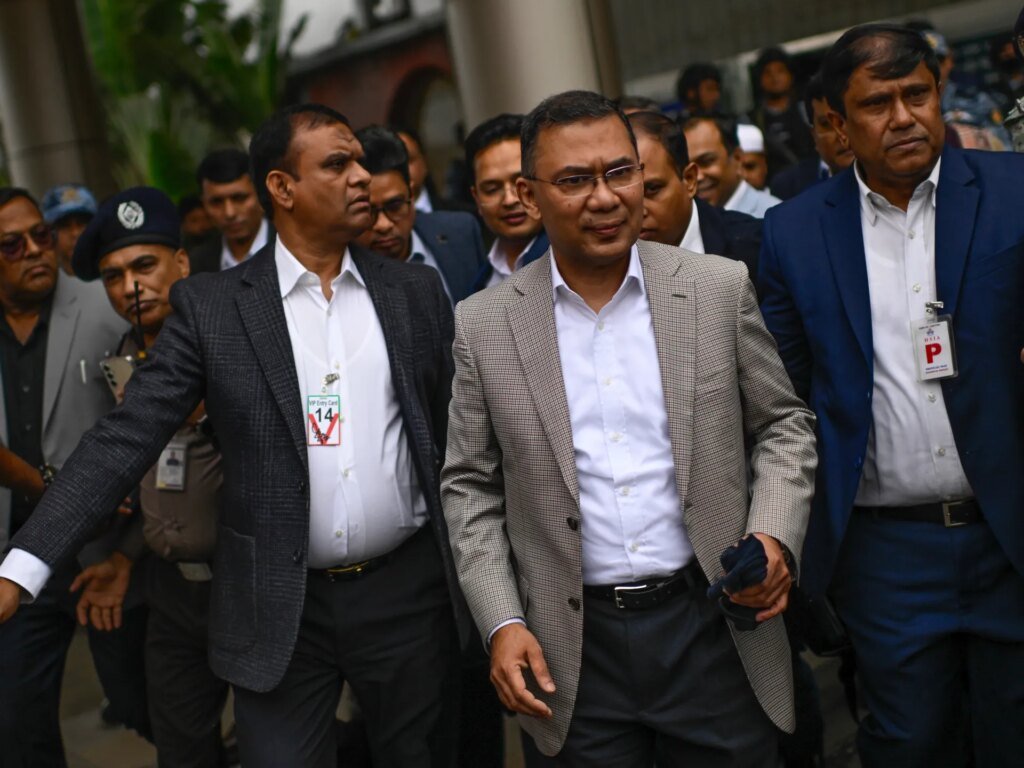
Her death transitions the party into a new era, placing leadership in the hands of her son and acting chairperson, Tarique Rahman. As they prepare to navigate this redefined political landscape—especially after the upheavals in July 2024 and the subsequent suspension of the Awami League’s political activities—consolidating their base will be of utmost importance.
Enduring Legacy vs. Future Challenges
Khaleda Zia’s influence extended well beyond formal titles; she served as the moral compass of the BNP, maintaining stability within the party over decades. Despite her declining health, she held significant sway, her absence potentially altering the party’s dynamics. Mahdi Amin, advisor to Tarique Rahman, expressed that the nation had lost “a true guardian,” emphasizing Khaleda’s role as a unifier and a defender of democracy.
“Her political hallmark was the commitment to a robust parliamentary democracy that upholds human rights and freedom of expression,” he noted, stressing the BNP’s intent to revive these principles if elected. However, analysts warn that without her influence, the party may struggle to maintain cohesion now that the internal authority rests heavily on Tarique.
Tarique’s Leadership: A Crucible of Challenges
Political analyst Mohiuddin Ahmed suggested that Tarique has a significant test ahead, likening his situation to Khaleda’s own rise during the pro-democracy movements in the 1980s. The forthcoming February elections represent a pivotal moment for him; success could cement his leadership, while failure could provoke mounting scrutiny.
As political alliances shift, the BJP faces a transformed opposition environment. The long-standing rivalry between the Awami League and the BNP has splintered, primarily due to the banning of Awami League’s activities. This reconfiguration has presented the BNP with opponents beyond the traditional two-party dynamic, with coalitions forming, particularly involving Jamaat-e-Islami.
New Political Dynamics
Analysts stress that the political environment has transformed significantly. The post-July 2024 era has seen a new polarization emerge, complicating the BNP’s electoral strategy. Adding to this uncertainty are questions surrounding the timing and professionalism of the elections themselves. Political scientist Dilara Choudhury remarked that Khaleda Zia had functioned not just as a party leader but as a stabilizing presence in the broader political landscape, highlighting the potential repercussions of her absence.
The Path Forward for Tarique Rahman
Tarique’s recent return from exile marks a significant moment for the BNP and helps to alleviate concerns regarding internal divisions within the party. His speeches upon returning have aimed to reassure supporters of ideological consistency and have emphasized a commitment to nationalism and democratic values.
However, the transition of leadership extends beyond mere legacy; it involves confronting existing challenges, such as allegations of misconduct involving some party members. Tarique’s leadership will be put to the test as the BNP strives to present itself as a credible force in the upcoming elections.
Conclusion
As Tarique Rahman steps into a leadership role shaped significantly by the legacy of his mother, Khaleda Zia, the BNP faces a crucial moment in its history. Navigating internal cohesiveness while addressing external threats will be pivotal for the party’s future in Bangladeshi politics.
- Khaleda Zia’s death signifies a pivotal moment for the BNP amid upcoming elections.
- The party’s internal dynamics will shift with leadership concentrated in Tarique Rahman’s hands.
- BNP must confront a newly fractured political landscape moving beyond traditional two-party rivalry.
- Success in the February elections will be critical to validating Tarique’s leadership amidst legacy challenges.