
Protests Erupt in Bangladesh Following the Death of Activist Sharif Osman Hadi
The recent death of prominent activist Sharif Osman Hadi in Bangladesh has ignited widespread protests, leading to significant unrest and damaging attacks on media outlets. Hadi, a key figure in last year’s anti-government demonstrations, was gunned down in Dhaka, prompting community outcry and serious repercussions for independent journalism in the region.
Violent Protests Target Media Outlets
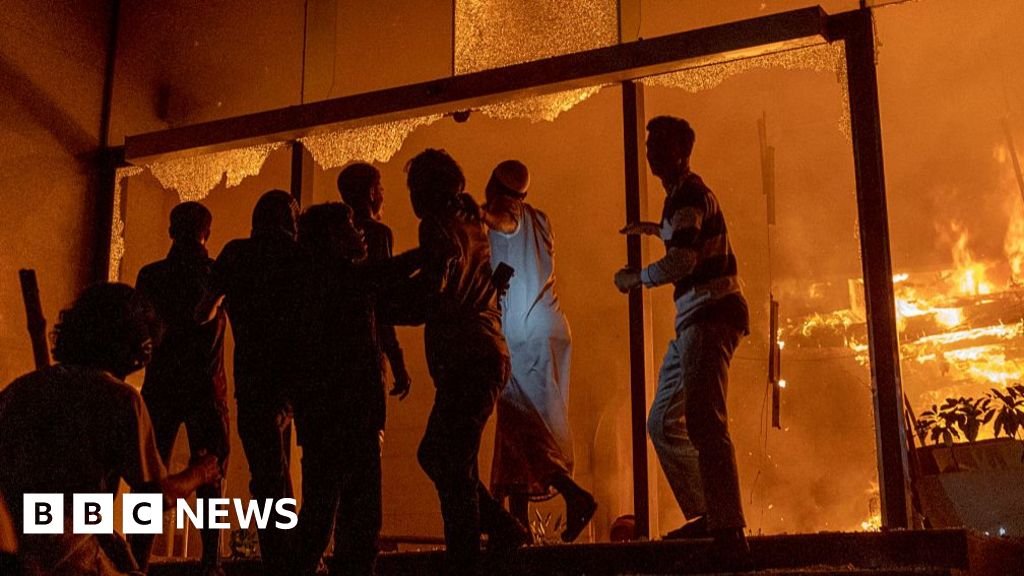
Staff members at two major newspapers, the English-language Daily Star and the Bengali daily Prothom Alo, found themselves in a dangerous situation as protesters stormed their offices on Thursday night. This aggressive act came in the wake of Hadi’s death, which has been termed as a pivotal moment in the ongoing struggle for democracy in Bangladesh.
Daily Star described the event as “one of the darkest days for independent journalism in Bangladesh.” In a significant lapse, the newspaper was unable to publish its print edition on Friday for the first time in over 35 years, as editor Kamal Ahmed highlighted the terrifying experiences endured by staff who were trapped during the chaos.
A Moment of Crisis for Journalists
Ahmed detailed the ordeal where 28 staff members were confined to the rooftop for hours, feeling “gasping for fresh air” until military reinforcements arrived to rescue them. Fortunately, there were no reports of serious injuries, but the destruction was evident, with charred remains and lingering smoke at the affected buildings.
The motivations for targeting these two prominent newspapers remain elusive, but their long-standing reputation for secular and progressive views has often led to backlash during both the previous and interim administrations. Notably, the newspapers have criticized some policies of the interim government, potentially provoking further anger among Hadi’s supporters.
Government Response and National Tensions
The interim government has condemned the violence, asserting its commitment to delivering “full justice” to those responsible. A spokesperson stated, “Attacks on journalists are attacks on truth itself,” emphasizing the importance of protecting free speech amidst the chaos.
In an effort to preserve the democratic transitions underway in the country, the government has declared a day of national mourning for Hadi, while affirming that disruptions caused by a minority group will not hinder the nation’s progress toward peace and stability.
Public Outcry and Historical Context
Other significant structures, including the residence of the first president of Bangladesh, Sheikh Mujibur Rahman, were also targeted on the same day, underscoring a broader crisis of governance and stability as Bangladesh approaches elections set for February 2025—the first since Sheikh Hasina’s ousting.
Remembering Sharif Osman Hadi
Sharif Osman Hadi, a 32-year-old leader of the student activist group Inqilab Mancha, had gained prominence for his vocal critiques of the previous government and plans to run as an independent candidate in the upcoming elections. His murder, occurring shortly after the announcement of the election date, has raised eyebrows regarding its implications.
In a televised statement, Nobel laureate and interim government leader Muhammad Yunus described Hadi’s death as an “irreparable loss for the nation,” condemning the act as an attempt to destabilize the electoral process through fear.
As investigations continue, with multiple arrests made concerning the shooting, the country’s political climate remains charged. Following the previous government’s swift retreat to India, the future direction of Bangladesh will heavily depend on how these unfolding events shape public sentiment and the electoral landscape.
- Activist Sharif Osman Hadi’s death spurs violent protests in Bangladesh.
- Major newspapers faced attacks, marking a dark day for journalism.
- The interim government vows to ensure justice amid rising tensions.
- Hadi’s planned candidacy adds complexity to the political situation ahead of elections in February.