
Intriguing Balloon Smuggling Crisis: Belarus and Lithuania
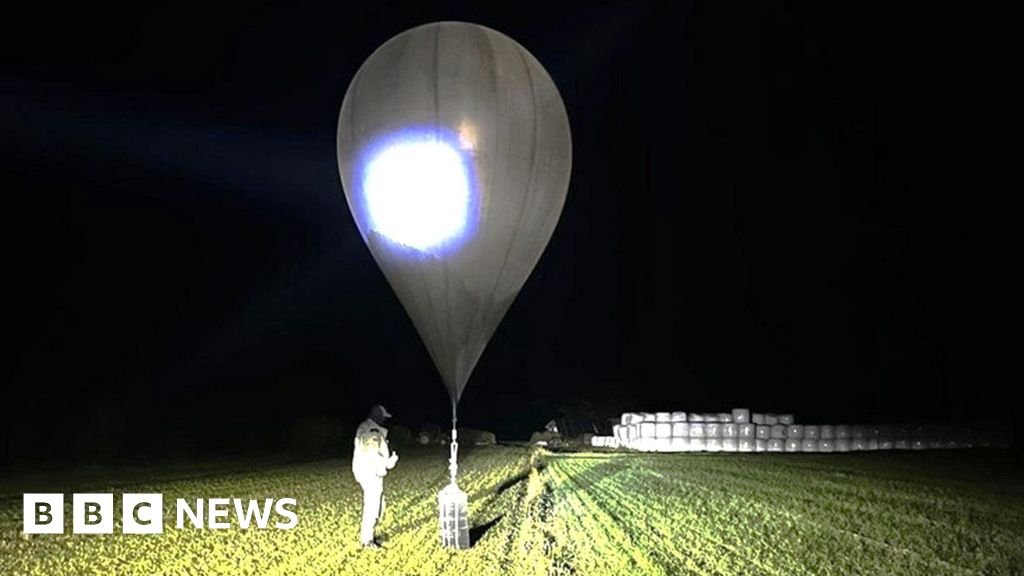
In a surprising turn of events, Lithuania is facing a peculiar crisis as large balloons filled with contraband cigarettes cross over from Belarus. This unusual method of smuggling has forced multiple airspace closures in Lithuania, raising serious concerns about regional security and hybrid warfare tactics. In this article, we’ll explore the implications of these balloon smuggling operations and the broader tensions opening between Belarus and Lithuania.
Unexpected Threats from Above
As soon as the winds shift northwest from Belarus, Lithuania prepares for the unexpected. Enormous white balloons, carrying crates of illicit cigarettes, are launched across the border. In just ten weeks, this unusual illegal activity has led to 15 airspace shutdowns at Lithuania’s primary airport, impacting thousands of travelers. On one notable occasion, airspace was completely closed for an extended period of 11 hours.
Government officials believe that these balloon operations are part of a more sinister strategy rather than mere smuggling. They describe this action as a form of hybrid warfare, suggesting that Belarus, with support from Russia, is using these tactics to apply pressure on Lithuania and potentially destabilize the region.
Government Response
In light of the situation, Lithuania has declared an emergency. Balloons have been employed by smugglers in the past, but the sudden spike in their usage this October has raised alarm bells. “What started as organized crime is now being leveraged by Belarus to exert influence over its neighbor,” stated Kestutis Budrys, the Foreign Minister, during a discussion in the capital, Vilnius.
Budrys outlined how the balloons’ launch sites are strategically chosen to target Lithuania’s main airport, located merely 30 kilometers (about 19 miles) from the border. He firmly expressed, “If the intent was merely to smuggle a few packs of cigarettes, operations would unfold quietly in the woods instead of directly endangering an airport.”
Political Ramifications
According to Budrys, these balloon launches reflect a strategy of political intimidation. “Belarus is using this as leverage: ‘We are your neighbor, and we can create significant disturbances for you,’” he asserted. This feeling of distress has prompted increased patrols by military police in border areas, with heightened vigilance particularly during nighttime, a common time for balloon activity.
With the balloons flying too high for conventional air defenses to engage effectively, the Lithuanian government has offered a reward of €1 million for any entity that can devise a method to intercept them. Meanwhile, military radar is being utilized to monitor balloon movements and assist law enforcement in apprehending smugglers when the balloons drop their cargo.
Enhanced Security Measures
The Lithuanian border is now fortified with tall metal fences topped with barbed wire, signaling the perception of Belarus as a particularly hostile nation. However, Alexander Lukashenko, the long-time ruler of Belarus, has dismissed allegations of hybrid warfare as “nonsense,” attributing the balloon incidents to opportunistic smugglers rather than state-sponsored activities.
Historically, Belarus has engaged in similar hybrid tactics, such as in 2021 when they facilitated a wave of migrants into Lithuania and Poland, creating a severe crisis at the border. The evidence suggests state involvement in current operations, as Budrys notes, “If they intended to put an end to this, they could achieve it instantly. Their inaction indicates it serves their interests.”
International Tensions
This situation echoes far beyond just smoke and mirrors; it represents Belarus’s attempts to gain leverage in negotiations concerning international sanctions, which were imposed after a brutal crackdown on dissent in 2020. The EU remains firm in its non-recognition of Lukashenko’s presidency, while Lithuania is calling for broader and more stringent sanction regimes to counteract these hybrid threats against European nations.
Disruptions to Air Travel
Airlines and travelers are contending with the disruptions caused by this peculiar smuggling method. Flight operations are being rerouted, with some airlines relocating services to accommodate the new security measures. Airport CEO Simonas Bartkus estimates a revenue loss of around €2 million by year’s end, stressing the importance of maintaining passenger confidence in air travel.
- Passengers are now using a new website to predict balloon activity based on wind forecasts before booking their flights.
- A traveler expressed anxiety while contemplating their route home, saying, “For the last week we were checking every day.”
Conclusion
The situation stemming from the balloon smuggling operation highlights the complexities of modern security challenges in Europe. As Belarus continues its campaign of intimidation through unconventional means, it raises critical questions about the preparedness of NATO and the broader European community in facing these emerging threats.
Key Takeaways
- Balloons carrying cigarettes are a new method of smuggling from Belarus into Lithuania.
- This unusual tactic has prompted a series of airspace closures, impacting travel significantly.
- Lithuania perceives these actions as part of hybrid warfare, aimed at political intimidation.
- Increased security measures are being implemented while the international community debates potential responses.