
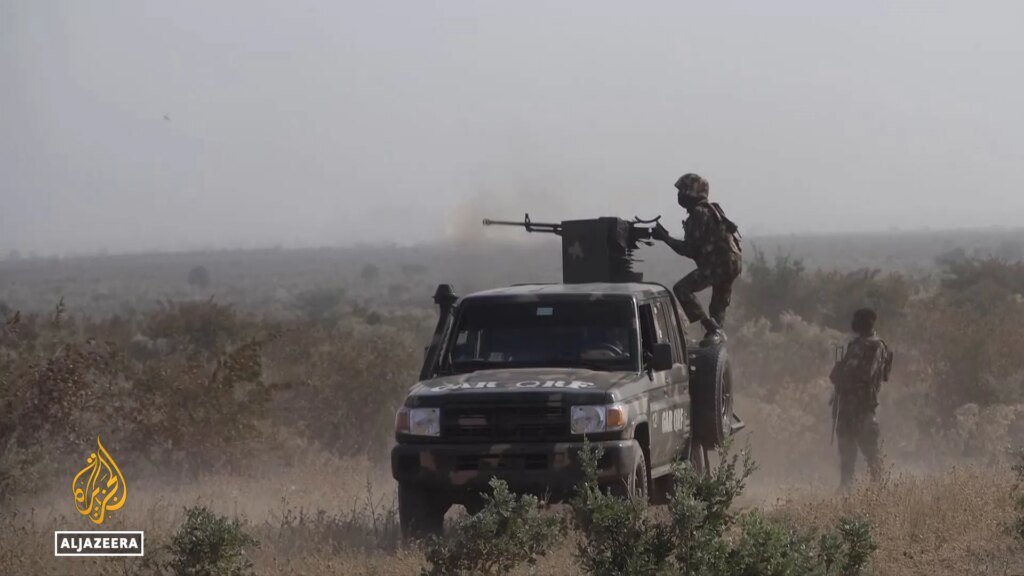
US Air Strikes Target ISIL in Nigeria: A Complex Response to Religious Violence
The recent air strikes carried out by the United States against ISIL in northwestern Nigeria have stirred significant conversation. U.S. Defense Secretary Pete Hegseth announced these operations, emphasizing the need to protect innocent Christians who are reportedly being targeted by the militant group. This move follows President Donald Trump’s prior warnings, indicating a readiness to take action should the Nigerian government fail to address the threats to religious communities. As the situation develops, questions arise about the implications for Nigeria’s multifaceted religious landscape.
Background and Motivation Behind the Strikes
In a statement, Secretary Hegseth noted, “More to come,” highlighting that this is just the beginning of U.S. efforts in the region. The focus on ISIL, which has been accused of atrocities against Christian populations, aligns with Trump’s earlier warnings from November regarding the situation in Nigeria. He suggested that the U.S. might intervene more directly if the Nigerian government did not take adequate measures against the group.
The Pressure from Domestic Influences
Many analysts believe that Trump may have faced pressure from influential right-wing Christian groups in the U.S., who have been vocal about the plight of Christians abroad. This domestic political landscape adds another layer to the U.S. decision-making process regarding foreign intervention.
Potential Implications for Nigeria
The air strikes raise crucial questions about the future stability and security of Nigeria, a nation characterized by a diverse and often volatile religious composition. As foreign intervention unfolds, it could further complicate the existing tensions within the country.
Expert Insights on the Situation
To better understand the involved dynamics, several experts have weighed in:
- Malik Samuel, a senior researcher at Good Governance Africa, speaks on the broader governance issues related to the air strikes.
- Ebenezer Obadare, a senior fellow for Africa studies at the Council on Foreign Relations, offers a perspective on the region’s religious tensions and the potential fallout.
- David Otto, deputy director of counterterrorism training at the International Academy for the Fight Against Terrorism, discusses the operational aspects of the strikes and their effectiveness.
Conclusion
The U.S. air strikes against ISIL in Nigeria mark a critical moment in the fight against religious violence, but they also highlight the complexities of foreign intervention in a nation with deeply entrenched religious divisions. As events unfold, the ongoing dialogue about the balance between military action and diplomatic efforts remains essential for preventing further escalation.
Key Takeaways
- The U.S. has initiated air strikes against ISIL in Nigeria, citing protection for Christian communities.
- Domestic political pressures may have influenced this recent military action.
- Nigeria’s complex religious landscape complicates the potential outcomes of U.S. intervention.
- Experts suggest that the air strikes could lead to further volatility in the region.