
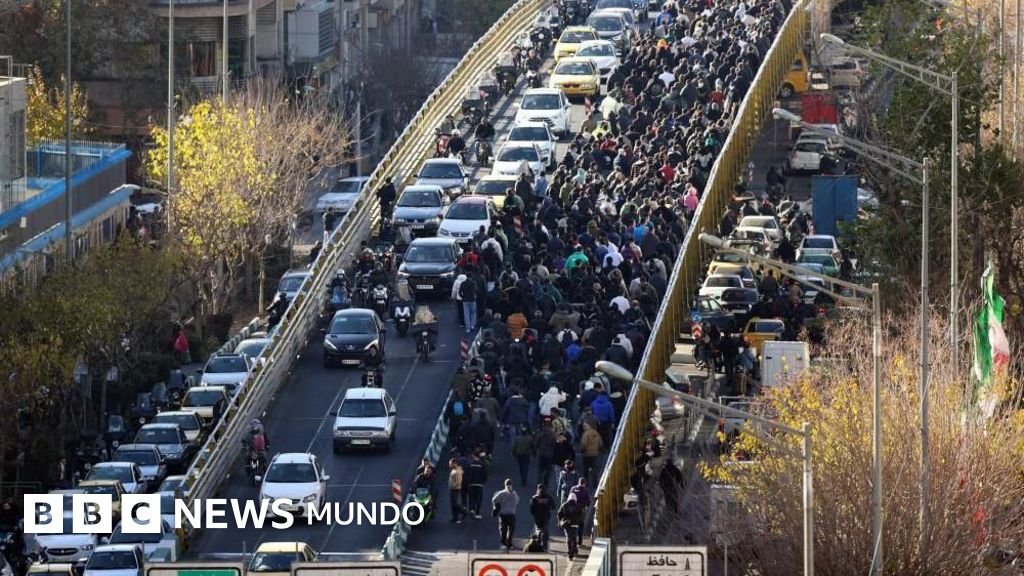
Iran Protests: Rising Unrest and Government Response
The ongoing protests in Iran have escalated dramatically, entering their fifth day as citizens voice their frustrations over rising living costs. Tragically, reports indicate that at least six individuals have lost their lives amid the clashes between demonstrators and security forces, particularly in the southwestern city of Lordegan.
Casualties and Clashes
News outlets have confirmed fatalities during confrontations in various locations. The semi-official Fars news agency and the human rights group Hengaw have reported deaths resulting from the escalating violence, with three fatalities in Azna and one in Kouhdasht, both situated in western Iran. Videos shared on social media platforms have illustrated the severity of the situation, including images of vehicles set ablaze amidst protests.
Claims of Fatalities
While it is reported that two individuals died in Lordegan, the exact identities and statuses of the deceased remain unclear—whether they were protesters or security members. However, Hengaw has identified these individuals as protesters, noting the names Ahmad Jalil and Sajjad Valamanesh. Meanwhile, state media reported the death of a member of the Islamic Revolutionary Guard Corps (IRGC) during clashes, but this claim has not been independently verified, with protesters asserting he too was killed by security forces.
Protests and Government Response
As a measure to quell dissent, the government declared a holiday for schools and public institutions, citing energy conservation due to low temperatures. This decision, however, has been widely perceived as an effort to suppress the ongoing protests which initially sparked in Teheran among merchants perturbed by a significant devaluation of the Iranian currency against the US dollar.
Widespread Discontent
By Tuesday, the protests saw participation from university students, with crowds in multiple cities chanting slogans against the nation’s religious leaders. This wave of unrest marks the most significant civil discontent seen since the 2022 uprising following the death of Mahsa Amini, who passed while in police custody for alleged violations of hijab regulations.
Government’s Stance
In a bid to manage the unrest, security measures have intensified in areas of Tehran where protests first began. President Masoud Pezeshkian has assured that his administration is committed to addressing the “legitimate demands” of the citizens, while Attorney General Mohammad Movahedi-Azad has issued warnings that any attempts to incite instability will be met with a “strong response.”