
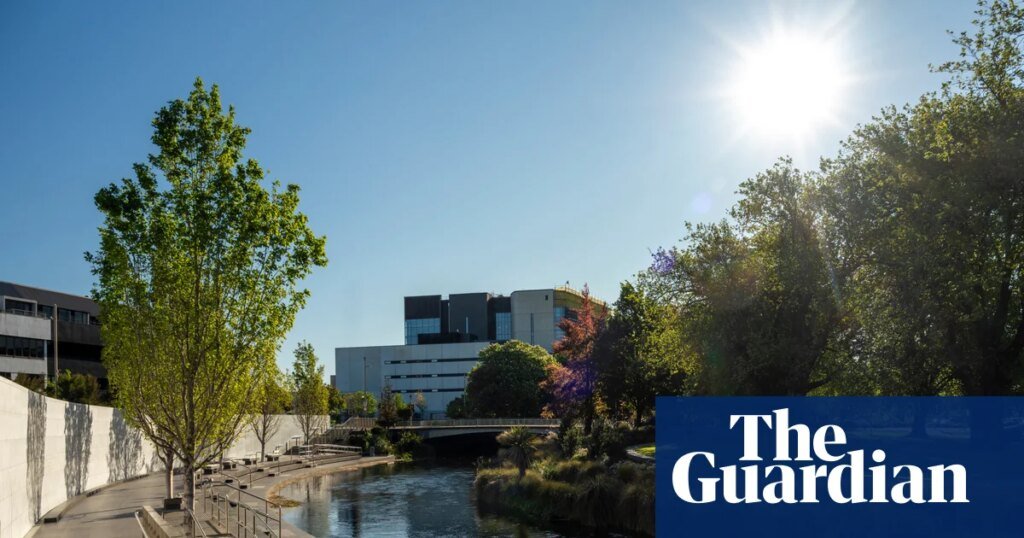
Christchurch: From Crisis to Comeback
In the past decade, Christchurch, New Zealand’s second-largest city, has undergone a remarkable transformation. Once synonymous with crises, including powerful earthquakes, wildfires, and a devastating terrorist attack, Christchurch has emerged as a vibrant and inviting location, shedding its conservative image in favor of a hopeful future.
A Thriving Hub of Growth
Today, Christchurch stands at the forefront of the fastest-growing region in the country. People from the North Island and beyond are attracted to the revitalized city, drawn by improving job prospects and an affordable cost of living compared to places like Auckland. The local economy is experiencing growth that surpasses the national average, and the cultural landscape is flourishing.
Mayor Phil Mauger proudly labels Christchurch as “the capital of cool,” highlighting its emergence on the 2024 Happy City Index due to its quality of life and affordability. This impressive turnaround would have seemed improbable just over a decade ago.
Devastation and Resilience
The city faced unimaginable hardships starting in February 2011, when a 6.3-magnitude earthquake caused significant destruction, claiming 185 lives and leaving the city center in ruins. Following multiple tremors, tens of thousands of residents relocated.
The crisis deepened in 2017 with fatal fires in the Port Hills, which took one life and prompted evacuations. This was followed in 2019 by a tragic event where a terrorist attack targeted two mosques, showing the stark realities of hate and violence.
“When the ground literally shifted beneath us… and when our Port Hills caught on fire, we turned towards unity and hope,” says Mauger, reflecting on the city’s spirit of resilience amid adversity. The painstaking yet hopeful rebuilding process has led to new infrastructure, colorful street art, and public installations that breathe life into the city’s landscape.
Affordability and Attraction
According to recent provisional data, Canterbury has seen a 1.1% rise in population, aided by a net migration gain of 5,300 people in Christchurch alone. The average house price in the city is around NZ$751,000 (approximately $439,000), significantly lower than Auckland’s NZ$1.2 million.
Musician Amelia Murray, who relocated from Auckland in 2022, was astonished by housing prices. “I could actually afford to buy a house in Christchurch,” says Murray, who specializes in art and music. “Staying in Auckland drained my energy, but now I have a sense of dignity and pride.” Her career has flourished since the move, culminating in accolades at the Aotearoa Music Awards.
Despite some rising costs, Murray notes the city’s infrastructure improvements, saying, “I love Tūranga [the library] and the outdoor facilities. I’m far more active here than I was in Auckland.”
Business Opportunities Flourish
ChristchurchNZ’s Chief Executive, Ali Adams, refers to the city as a “Goldilocks city”—big enough to host major business opportunities while maintaining a balanced lifestyle. Recent data shows Canterbury has experienced a 2.4% increase in business locations, outperforming the national growth rate.
Liam Kelleher, a local entrepreneur who opened the first urban cidery and restaurant, Lillies, highlights the emerging business vibe, stating, “Christchurch was ready for something a bit different.”
A Bright Future Ahead
New data also indicates a 6% increase in the 15-24 age group, indicating a thriving youth population, especially at the University of Canterbury, which has recently seen substantial enrolment growth. With sectors like health tech and aerospace gaining traction, young professionals are eager to contribute to meaningful change.
Mauger envisions future developments that will enhance the city’s appeal for events and sports, such as the upcoming One New Zealand Stadium, which is set to open in 2026.
Yet, for Mauger, the core of this resurgence lies not just in physical structures, but in the collective spirit of the community. “Positivity and resilience have blossomed from tragedy,” he concludes.
- Christchurch has transformed from a city marked by tragedy to one of New Zealand’s fastest-growing regions.
- Key factors include affordability, job prospects, and a vibrant cultural scene.
- Local leaders emphasize community spirit and resilience as essential to the city’s revival.
- Future developments aim to further enhance the city’s appeal and infrastructure.