
A New Era for African Football: The African Nations League and Revised AFCON Cycle
As we look ahead to the 2025 Africa Cup of Nations (AFCON), significant changes are on the horizon for African football. The introduction of the African Nations League and the shift of the AFCON to a four-year cycle aims to elevate the sport across the continent.
Key Changes Announced
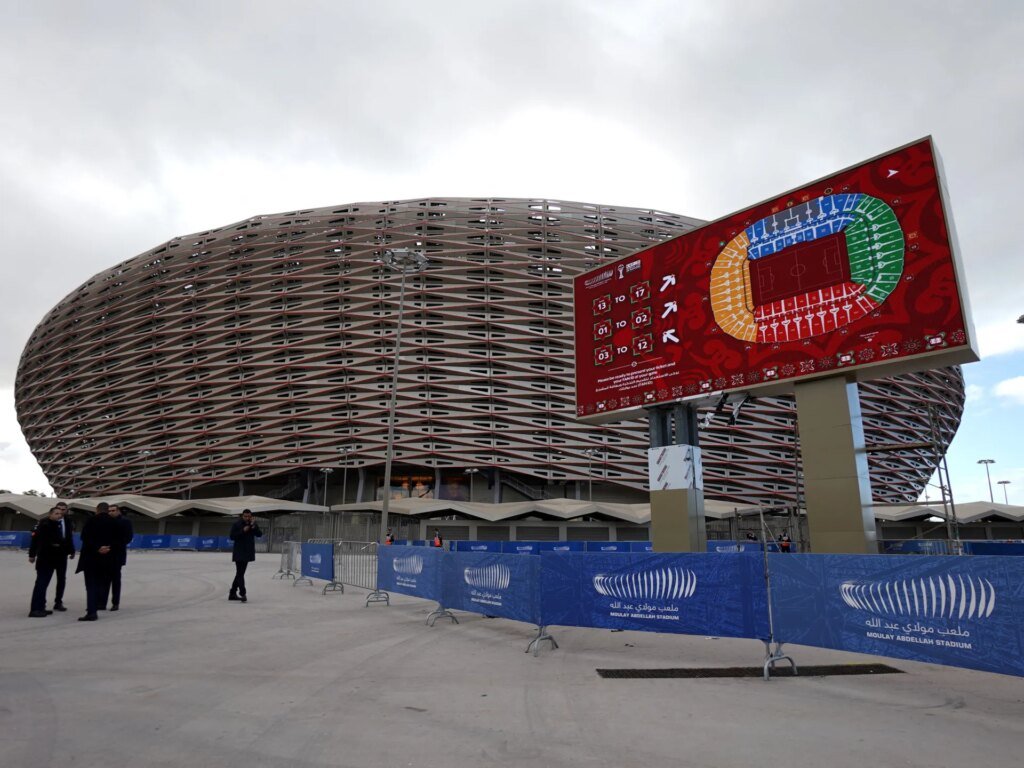
Patrice Motsepe, president of the Confederation of African Football (CAF), unveiled these exciting updates in a press conference before the upcoming 2025 AFCON, set to take place in Morocco. This strategic move marks a pivotal moment for African football, promising to enhance competition and visibility.
Structure of the Competitions
The 2027 Africa Cup, to be hosted by Uganda, Kenya, and Tanzania, will proceed as originally planned. However, the following edition, previously scheduled for 2029, has been rescheduled to 2028. The AFCON cyclical pattern will continue, with the next tournament thereafter occurring in 2032. This adjustment clears the path for the inaugural African Nations League to kick off in 2029.
Format of the African Nations League
The African Nations League will engage all 54 member associations of CAF, dividing them into four geographical zones. Matches are set to occur in September and October, culminating in finals held in November. This structure promises to offer thrilling encounters as top talents from Europe and around the globe participate, representing their countries in a more consistent fashion.
Goals of the New System
Motsepe enthusiastically stated, “What is new is that … in Africa there’s going to be a competition every year where the best African players who play in Europe and worldwide will be with us on the continent.” This commitment not only represents a shift in how African football is organized but also aims to improve the quality and competitiveness of the game within Africa.
Future Outcomes
While CAF officials have not yet confirmed whether the African Nations League will operate on a biennial or annual basis, the anticipation surrounding these changes is palpable. The primary goal is to ensure that African football thrives and captivates fans, fostering a robust atmosphere for both players and supporters alike.
Conclusion
The changes announced by CAF are set to transform the landscape of African football. With a fresh focus on consistent competition and the participation of prominent players, the sport is poised for significant growth in the coming years.
Key Takeaways
- The Africa Cup of Nations is shifting to a four-year cycle, with the next tournament in 2028.
- The inaugural African Nations League will begin in 2029, involving all 54 member nations.
- The league aims to provide annual competition featuring top African players from around the world.
- This strategic overhaul seeks to enhance the quality and excitement of football across Africa.