
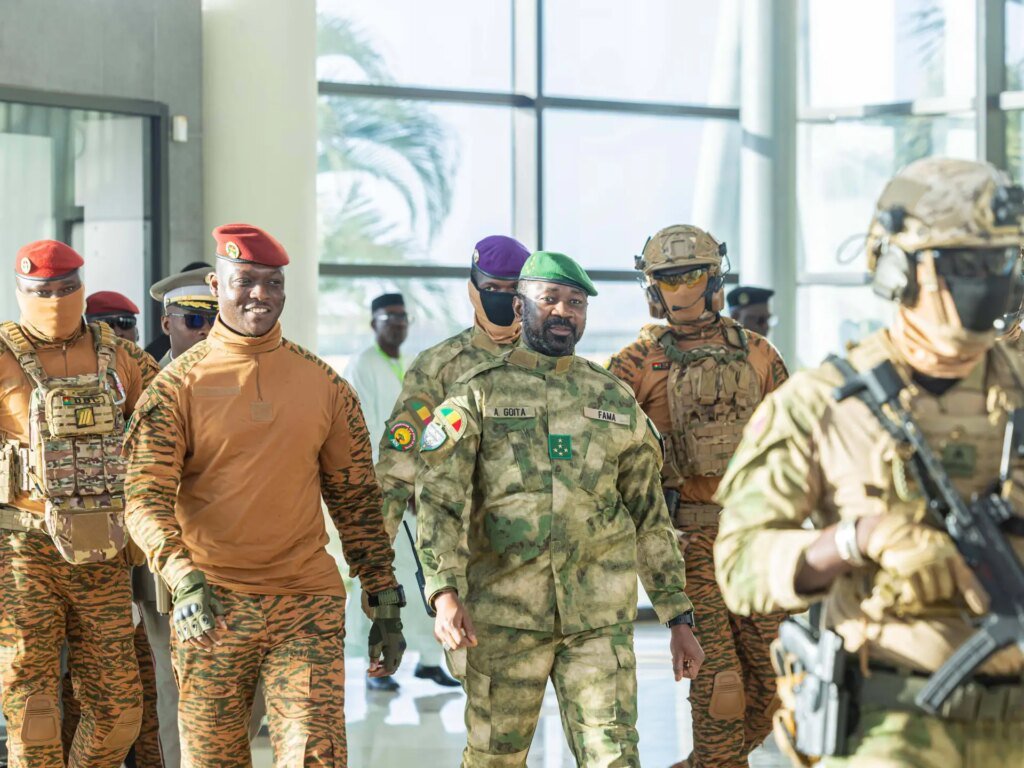
Insights from the Sahel Summit in Bamako
Upon our arrival in Bamako, Mali’s vibrant capital, we were greeted by a mix of politeness and vigilance from our local contacts linked to the Malian government. It was late December, and I couldn’t help but feel the weight of the political tension that has recently shaken the Sahel region.
The Current State of Mali
Mali has become a focal point of significant change. Following military coups in 2020 and 2021, the nation severed its historic ties with France, expelled French forces, and rejected the United Nations peacekeeping mission. In recent developments, Mali has joined Burkina Faso and Niger, both under military regimes influenced by Russian support, to form the Alliance of Sahel States (AES).
A New Direction in Governance
In September 2023, the AES leaders came together in Bamako for their second summit. This gathering marked a significant moment in their quest for renewed unity and self-determination. They launched a Sahel Investment and Development Bank aimed at funding regional infrastructure independent of Western financial institutions. Additionally, they announced the establishment of a television channel to amplify local narratives and a collaborative military force designed to combat cross-border armed groups.
Amidst Tension
Despite the celebrations at the summit, the underlying challenges are serious. Armed groups have been exploiting societal fractures, with Jama’at Nusrat al-Islam wal-Muslimin (JNIM), an al-Qaeda affiliate, expanding its operations from rural Mali to other regions, including coastal areas like Benin. As our plane approached the airport, I pondered how many territories were now under the control of these militant factions.
Life in Bamako
Our journey from the airport through Bamako revealed an energetic city where life seemed to carry on despite the lurking shadows of violence. Motorbikes zigzagged through traffic, street vendors advertised their goods, and lively Malian music filled the air. Yet, just outside, a blockade orchestrated by armed groups has led to fuel shortages, causing long lines at petrol stations as residents patiently waited for their turn.
“To become one country, to hold each other’s hand.” – A young resident’s hopeful words on national unity.
The Sahel Alliance Embodied
Our visit took us to the Sahel Alliance Square, a newly established public space celebrating the union of the three states. We observed Malian forces, which seem more aimed at keeping threats at bay than at providing security. As gunmen set up checkpoints, the capital remains on edge, though life pushes forward. The young people gathered at the square exhibited enthusiasm, answering trivia questions centered around their leaders and the AES.
Russia’s Emergence
The military transitions across Mali, Burkina Faso, and Niger have merged into a collective movement. Following various military takeovers framed as necessary interventions, these countries have exchanged Western alliances for ties with Russia. This shift is evident in the summit’s agenda—strengthening military cooperation and infrastructure development while sidelining previous Western support.
Reshaping Identity and Sovereignty
Throughout the summit, it became clear that the leaders perceived the AES as a means of regaining lost sovereignty. The discussions included the formation of a joint military battalion dedicated to countering the burgeoning threats from militant groups. The past influence of France is long gone, as Mali’s military rulers seek to redefine their national identity without Western interference.
Challenges Ahead
As the leaders transitioned roles during the summit, Traore of Burkina Faso prepared to take the helm of the AES. He embodies a new generation of leadership that resonates with youth and their aspirations for Pan-Africanism. However, critics argue that the militarization of governance raises concerns over human rights, with dissent being suppressed in the name of national unity.
Embracing the Future
The AES is rapidly establishing a distinct framework that contrasts with the slow, diplomatic processes traditionally favored by ECOWAS. This alliance emphasizes military strength and swift decision-making. While some see it as a long-awaited assertion of independence, others perceive an ominous shift towards authoritarianism.
A Cultural Resurgence
Yet amid the political upheaval, a shared cultural identity persists. The music of Mali, vibrant and deeply rooted, continues to bring joy and connection across communities. As I listened to the melodies echoing through Bamako, I was reminded of the enduring strength of its people. The message of resilience resonated through the lyrics of renowned artists, calling for patience and hope:
“Forbearance. We have survived worse. We will survive this, too.”
Conclusion
The unfolding narrative in the Sahel reveals a complex interplay of aspiration, identity, and resilience. As these nations navigate their path forward, the challenges remain profound, yet so too does the hope for a revitalized future, united in diversity and purpose.
Key Takeaways
- Mali is redefining its alliances post-military coups, moving away from French influence.
- The AES aims to enhance regional cooperation, focusing on security and infrastructure development.
- Young leaders like Captain Ibrahim Traore are shaping a new narrative of Pan-Africanism.
- Amidst political strains, cultural identity and resilience continue to thrive in Mali.