
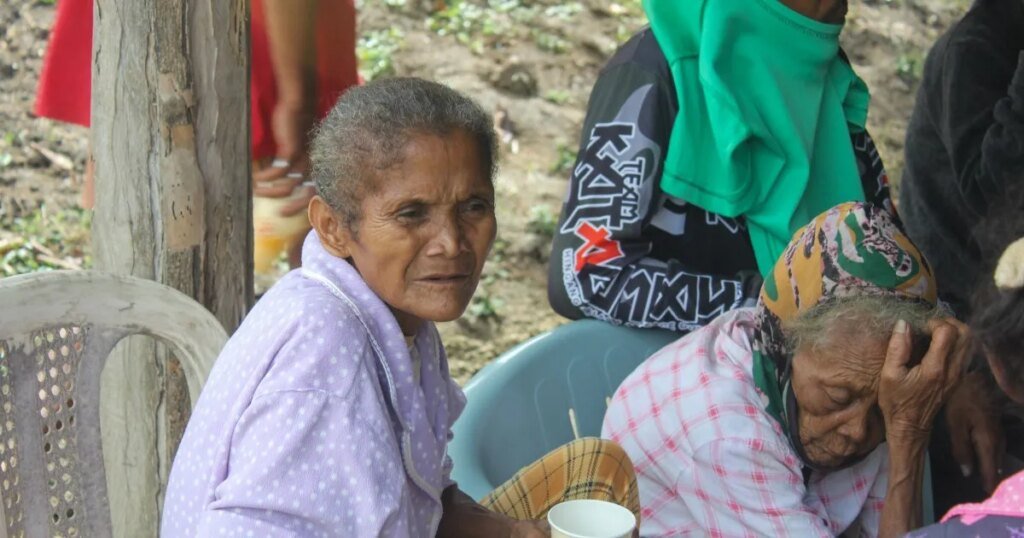
The Struggles of Sapang Kawayan Amid Development in New Clark City
Nestled just two hours north of Manila, the village of Sapang Kawayan is at the heart of a significant development project known as New Clark City. This sprawling initiative, situated on the grounds of a former American military base, is being spearheaded by the Philippine government under the vision of President Ferdinand Marcos Jr, aiming to establish a hub for tourism and investment. However, this ambitious project poses a serious threat to the indigenous Aeta community residing in Sapang Kawayan, who fear they could be displaced as massive developments roll out.
New Clark City: A Vision for the Future
New Clark City is being constructed on the site of the former Clark Air Base, a transformation intended to alleviate congestion in Manila, which is home to almost 15 million residents. Alongside the city, an airport complex is being developed, which will feature new train lines, expanded runways, and a $515 million stadium aimed at attracting global superstars like Taylor Swift.
Impact on the Aeta Community
For the approximate 500 families in Sapang Kawayan, the unfolding developments are synonymous with loss. “We were here before the Americans, even before the Spanish,” says Petronila Capiz, the local chieftain, reflecting on the adverse effects of colonization and continued encroachment on their ancestral land.
A History of Displacement
Historically, the Aetas, considered among the earliest inhabitants of the Philippine archipelago, were dispossessed of their land when American colonizers took control in 1898. Over the years, many were forced to either move deeper into the jungle or adapt to life within the military base. Today, despite around 20,000 Aetas still residing in the Clark area, their land claims largely go unrecognized.
Fight for Ancestral Domain Title
As the government eyes rapid urbanization, residents of Sapang Kawayan are anxiously working with researchers from the University of the Philippines to expedite their application for a Certificate of Ancestral Domain Title (CADT). This legal recognition would allow them to assert rights over their territory and resources.
Gathering for a Common Cause
In recent months, Aeta community members have come together under rustic shelters in Sapang Kawayan, documenting their family histories in hopes of proving their longstanding presence in the area. Their claims span a significant 17,000 hectares, overlapping nearly entirely with the designated land for New Clark City.
Government Promises and Reality
Announced first under former President Rodrigo Duterte, New Clark City is pitched as a green and sustainable solution to Manila’s traffic woes. Construction began in 2018, and while the government touts expansive infrastructure plans, local communities continue to fear for their survival. The Bases Conversion and Development Authority (BCDA) is now actively developing highways connecting the new city to the airport complex.
Promises of Compensation
The BCDA claims that no displacement has occurred, attributing this to the lack of recognized land claims among the Aetas. They have proposed financial compensation and housing units for affected families, yet the details remain ambiguous, raising questions about the futures of those impacted.
Challenges in Claiming Ancestral Rights
Despite historical claims to the land, members of the Aeta tribe face numerous bureaucratic hurdles in securing their CADT. With stringent requirements set by the National Commission on Indigenous Peoples (NCIP), demonstrating their long-standing residency is a challenging undertaking.
Historical Context and Future Concerns
Activists argue that the demands placed upon the Aetas could lead to further marginalization. “Without a CADT, they are treated like squatters on their own land,” warns Pia Montalban from Karapatan-Central Luzon.
The Aeta Identity at Stake
The Aetas have long been among the most disenfranchised indigenous groups in the Philippines. Limited access to education and ongoing poverty exacerbate their vulnerabilities, with experts indicating that the lack of recognition could lead to increased displacement and cultural loss.
Future Outlook
As developments progress, many worry that the territory available to the Aetas is shrinking at an alarming rate. “With all these projects, we’ll have to keep moving,” voices Victor Valantin, an Indigenous Peoples Mandatory Representative for Tarlac Province, underlining a growing disconnect between expansive urban projects and the needs of indigenous communities.
Conclusion
The unfolding story of Sapang Kawayan highlights the intersection of development and indigenous rights. As New Clark City rises, the struggle for recognition and survival continues for the Aeta community. Their fight for land rights is not just a battle for territory but a crucial journey in preserving their identity and heritage.
Key Takeaways
- New Clark City aims to transform a former military base into a bustling metropolis but threatens local indigenous communities.
- The Aeta community in Sapang Kawayan is actively seeking legal recognition to protect their ancestral land.
- Bureaucratic challenges hinder Aetas from obtaining land rights, putting them at risk of displacement.
- The ongoing development projects could severely impact the Aeta’s culture and traditional way of life.